
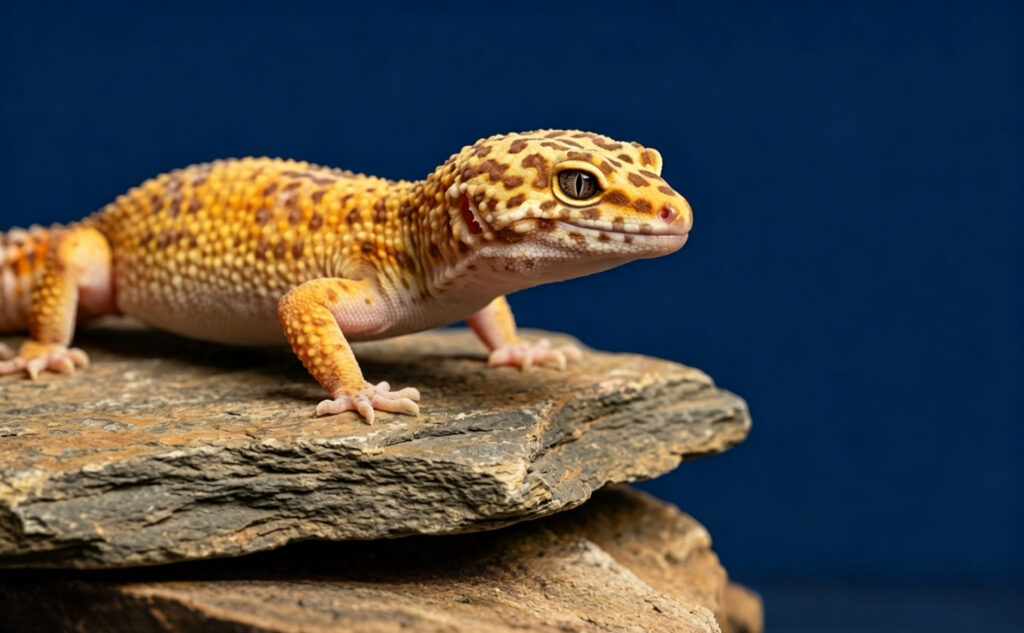
Introduction to Leopard Geckos
Proper Leopard Gecko Care is essential for keeping your reptile healthy and happy for years to come.
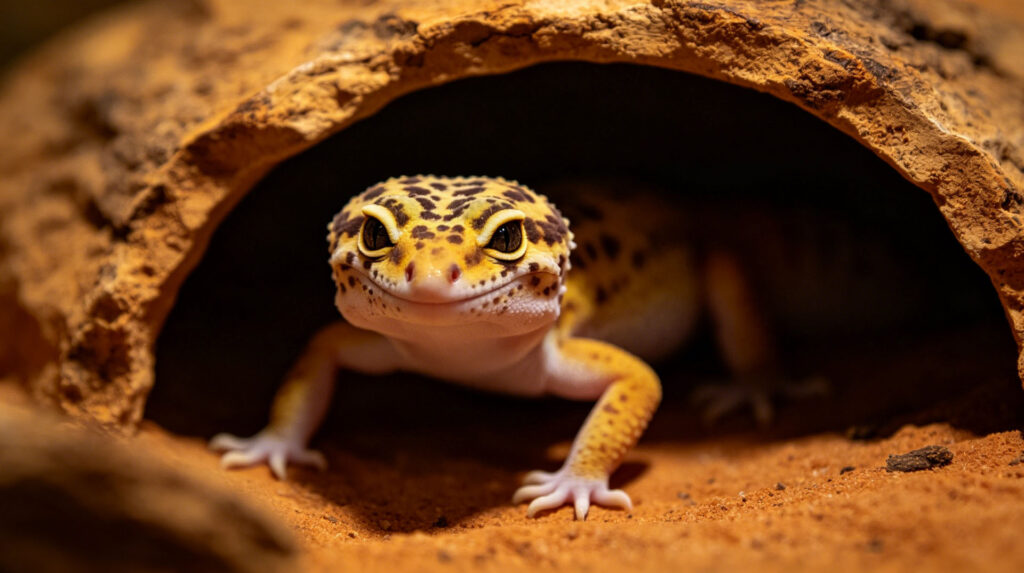
Leopard geckos (Eublepharis macularius) have reigned as the most popular beginner pet reptile in the United States for decades. Known for their docile nature, “smiling” expressions, and unique movable eyelids, they are the perfect entry point for new reptile keepers, families, and apartment dwellers. If you want a more active, display-type gecko than the leopard gecko, day geckos are a common alternative — see our guide on the giant day gecko vs gold dust day gecko for a beginner comparison.
Native to the arid, rocky regions of Afghanistan, Pakistan, and parts of India, these ground-dwelling lizards are naturally nocturnal. In the wild, they spend their days hiding in deep rock crevices to escape the heat, emerging at night to hunt insects. Because almost all pet leopard geckos in the US are captive-bred, they are incredibly hardy and well-adjusted to a home environment compared to other exotic pets.
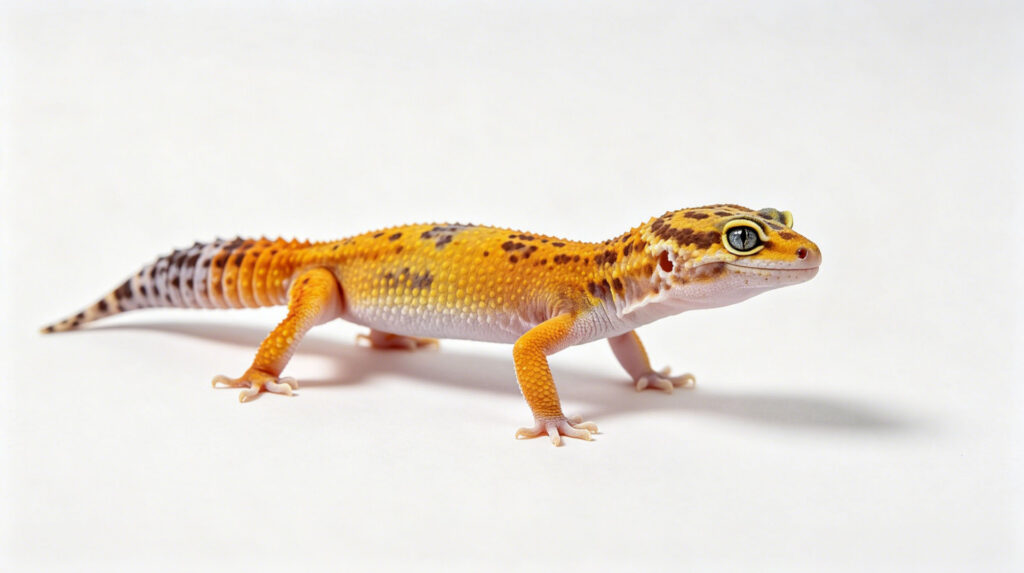
Why Leopard Geckos Are the Perfect Beginner Reptile
If you are looking for a pet that doesn’t bark, doesn’t need a walk, and lives for nearly two decades, the leopard gecko is your best bet.
Key Benefits for US Households
| Benefit | Details (US Keeper Friendly) |
| Temperament | Extremely calm; they can be hand-tamed to sit on your shoulder. |
| Maintenance | Low effort; cleaning the enclosure takes less than 15 minutes a week. |
| Lifespan | A long-term commitment! Average 10–20 years in captivity. |
| Diet | Readily accepts common US feeder insects like mealworms and crickets. |
| Startup Cost | Affordable; a professional setup costs less than a high-end smartphone. |
| Noise Level | Completely silent, making them ideal for US rental homes and apartments. |
Leopard Gecko Price & Morph Buying Guide
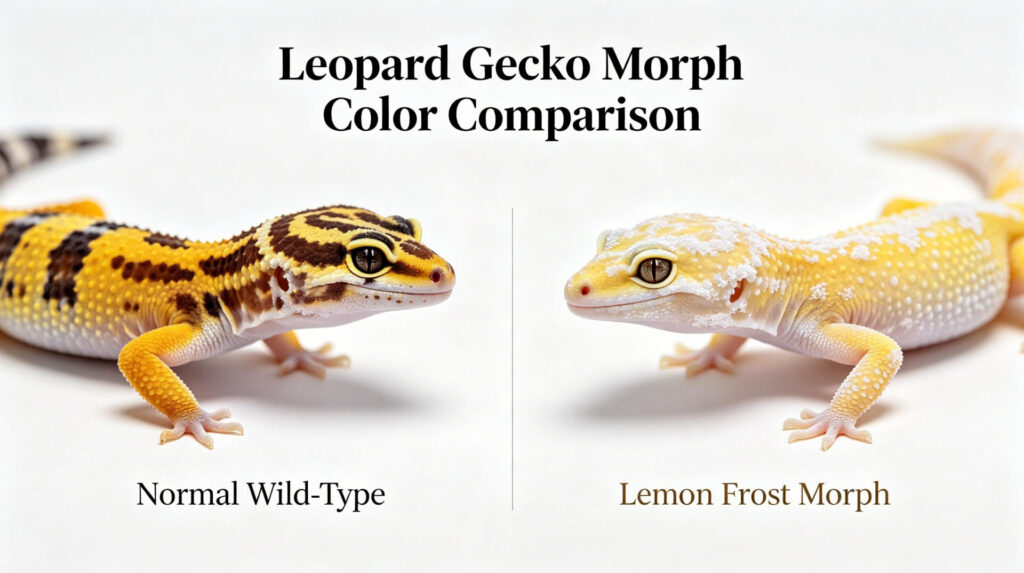
In the US reptile market, “Morphs” refer to the different colors and patterns created through selective breeding.
US Price Range by Morph
- Normal Wild-Type ($50 – $100): The classic yellow and black spotted look. Best for absolute beginners.
- High-Color Morphs ($200 – $400): Tangerines, Albinos, and Blizzards. These are for hobbyists who want a “designer” pet.
- Rare Designer Morphs ($500 – $2,000+): Rare genetics like Black Night or complex cross-breeds for advanced collectors.
Buying Tips for Success
- Buy Local: Whenever possible, purchase from a reputable US breeder or a specialized reptile expo (like Repticon).
- Avoid “Big-Box” Stores: Many large chain pet stores source from “reptile mills,” which can lead to internal parasites or Metabolic Bone Disease (MBD), both of which require professional diagnosis and evaluation by an exotic animal veterinarian.
- Check the Tail: A healthy gecko should have a thick, plump tail—this is where they store their fat reserves.
- Health Warning: Beginners should avoid the “Lemon Frost” morph, as they are genetically predisposed to developing tumors, a serious genetic issue that warrants strict veterinary evaluation.
Essential Requirements for Leopard Gecko Care
Leopard geckos are ectothermic (cold-blooded), meaning they rely on their environment to regulate their body temperature. You must provide a Thermal Gradient.
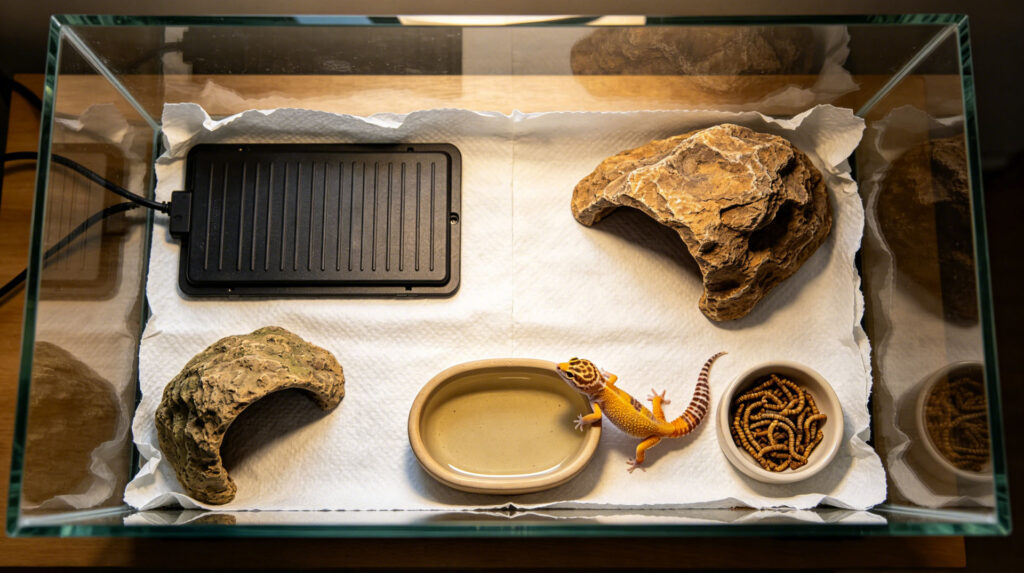
Perfect Temperature & Humidity Settings
| Parameter | Recommended Range | Why It Matters |
| Basking (Hot Side) | 88°F – 92°F | Necessary for digesting food and metabolism. |
| Cool Side | 75°F – 80°F | Allows the gecko to cool down and prevent overheating. |
| Night Drop | 70°F – 74°F | Mimics the natural drop in the desert at night. |
| Humidity | 30% – 40% | Prevents respiratory infections. |
Must-Have Starter Equipment Checklist
Don’t be fooled by generic “starter kits.” For a professional-grade hub, you need:
- Enclosure: A 20-gallon “Long” glass tank is the gold standard for an adult.
- Heating: An Under-Tank Heat mat (UTH). Leopard geckos need “belly heat” to digest.
- Thermostat: Crucial! Never plug a heat mat directly into the wall without a thermostat to regulate it.
- Hides: You need a minimum of three hides:
- One on the warm side.
- One on the cool side.
- One Moist Hide (filled with damp moss) to help with shedding skin.
- Substrate: Use Paper Towels or Slate Tiles. Avoid sand, as geckos can swallow it and suffer from “impaction” (a deadly gut blockage requiring emergency veterinary medical intervention).
How to Handle Stress & Acclimation
Moving to a new home is terrifying for a small lizard.
- The Fasting Period: It is perfectly normal for a new gecko to refuse food for the first 3–7 days. Do not panic.
- The “Hands-Off” Rule: Do not handle your gecko for at least the first week. Let them explore their new habitat and feel safe.
- Nocturnal Habits: Remember, they sleep all day! If you try to play with them at noon, they will be grumpy. Wait until dusk.
- The Tail Drop: Never grab a gecko by the tail. They can “drop” it as a defense mechanism. While it will regrow, it will never look the same.
Leopard Gecko Diet & Feeding Guide
Leopard geckos are strict insectivores. They do not eat plants or fruit.
- Juveniles (under 1 year): Need to eat every day to support growth.
- Adults: Feed every 2–3 days.
- Dusting (Important): You must coat your insects in Calcium with Vitamin D3 powder. Without this, your gecko will develop Metabolic Bone Disease (MBD), which causes brittle bones and deformities.
What to Feed: Live Crickets, Dubia Roaches (best nutrition), and Mealworms.
Pro Tip: The Moist Hide Secret
Most beginners fail because they don’t provide a Moist Hide. If the environment is too dry, skin will get stuck on the gecko’s toes during a shed. Over time, this cuts off circulation and the gecko will lose its toes. Always keep a hide on the “middle” side of the tank with damp sphagnum moss or wet paper towels. It’s the #1 way to ensure a healthy, happy pet!
For more Leopard Gecko Care tips, stay tuned to our hub.
For more expert pet guides, please visit our Home Page.
Start your reptile‑keeping journey with our free reptile recommender tool.
This content is for educational purposes only and does not substitute professional veterinary diagnosis or treatment. If you observe any symptoms of illness, injury, or abnormal behavior, please consult a qualified exotic animal veterinarian immediately.
For more details, please review our full Medical Disclaimer.
Pingback: Sugar Glider Care Pitfalls: The Honest Beginner’s Guide 2026
Pingback: Leopard Gecko Care Guide: 20 Expert Tips for Health, Shedding & Bonding
Pingback: Leopard Gecko Calcium Deficiency: Fix Soft Poop With Food Adjustments
Pingback: Leopard Gecko Diarrhea: Non-Parasite Causes & Easy Home Fixes
Pingback: Leopard Gecko Tail Thinning: Why It Happens & Easy Home Fixes
Pingback: Leopard Gecko Care Guide: 20 Expert Tips for Health, Shedding & Bonding
Pingback: Giant Day Gecko vs Gold Dust Day Gecko (2026 Updated): Beginner Mistakes to Avoid