

If you’ve scrolled social media, you’ve likely fallen for it: a tiny, big-eyed sugar glider gliding across a room. Many new owners overlook critical sugar glider care pitfalls before bringing one home. Their exotic cuteness has made them viral — but 80% of new owners regret getting one within a year. Most beginners only see their adorable appearance and ignore the non-negotiable realities: 12–15 year lifespan, mandatory pair housing, complex nutritional rules, and endless hidden raising challenges. This in-depth guide breaks down every critical sugar glider pitfall, covering their natural history, common morph types, daily care routines, and beginner mistakes. By the end, you will clearly figure out whether a sugar glider suits your lifestyle.
What Is a Sugar Glider? Natural History & Basic Traits
Sugar gliders (Petaurus breviceps) are small nocturnal marsupials native to Australia, New Guinea, and surrounding offshore islands. Their cute name comes from two core biological traits. The word “sugar” refers to their natural preference for sweet sap, floral nectar, and ripe fruits in the wild. The term “glider” describes their unique stretchy patagium, a thin membrane extending from their wrists to ankles that allows them to glide over 50 feet between tree branches.
Quick Sugar Glider Basic Facts
- Lifespan: 12 to 15 years in captivity; only 4 to 7 years in the wild due to natural predators
- Size: 6–8 inches of body length plus an equal-sized bushy tail, weighing merely 3–5 ounces
- Social Habit: Strict colony animals; wild groups contain 6 to 12 gliders
- Activity Pattern: Completely nocturnal; they stay active from dusk till dawn
Common Sugar Glider Morph Types (Pet Trade Classification)
All sugar glider morphs belong to the same species, with only fur color and marking differences. There are no independent subspecies in the civilian pet trade. Below are the most popular types among American pet lovers:
- Standard Grey: The most affordable and common morph, featuring grey fur, a continuous dark stripe from head to tail, and distinct black patches around ears and eyes.
- White Face: Characterized by a clean pale face without black under-ear bars, looking more delicate and neat.
- Platinum: Light silver or white body fur with faint markings and a pure white neck collar, favored by intermediate breeders.
- Mosaic: Irregular patchy grey and white fur; some individuals own rare blue-green irises.
- Albino: Pure white fur and red eyes; extremely rare with severe light sensitivity issues.

Top 7 Sugar Glider Care Pitfalls Every Beginner Must Avoid
1. Keeping a Single Sugar Glider (Most Dangerous Mistake)
Many new buyers choose one glider to cut costs, which is a fatal error. Sugar gliders are obligate social creatures that cannot survive alone mentally. A lonely sugar glider will suffer from severe depression, loss of appetite, and self-mutilation behaviors like fur pulling and skin biting. Chronic loneliness also weakens their immune system, leading to premature death.
Expert Advice: Always adopt a bonded pair. Choose same-sex pairs or neutered mixed-gender pairs to avoid uncontrolled reproduction and aggressive territorial behavior.
2. Underestimating Their Long Lifespan
Most exotic pets have short lifespans, making beginners mistakenly think sugar gliders are easy temporary companions. In fact, their 12–15 year lifespan is longer than the average lifespan of domestic dogs and cats. Before purchasing, ask yourself three questions: Can I keep raising them for over a decade? Do I have a reliable pet sitter for long trips? Can I afford their senior medical care?
3. Oversimplifying Their Complex Dietary Needs

The biggest misconception among beginners is that sugar gliders only need fruits and ordinary pellets. Malnutrition is the top cause of premature death for captive sugar gliders. An unscientific diet triggers metabolic bone disease, calcium deficiency, obesity, dental decay, and organ failure.
Daily Scientific Diet Ratio for Sugar Gliders
- 70% Professional Pellets: Specialized sugar glider pellets; never feed cat or dog food. Ensure the pellet brand is specifically formulated for sugar gliders to guarantee the correct phosphorous-to-calcium ratio.
- 15–20% Fresh Produce: Mango, apple, sweet potato and kale; avoid grapes, raisins and excessive citrus
- 5–10% High-Quality Protein: Calcium-enriched crickets, mealworms, boiled eggs and plain cooked chicken
- Necessary Supplements: Calcium powder three times a week and multivitamins once a week
Toxic Food Reminder: Keep chocolate, caffeine, avocado, onions and high-fat nuts away from your gliders.
4. Using Undersized Cages Without Vertical Space
As arboreal animals, sugar gliders prioritize height over width. Small desktop cages seriously restrict their climbing and gliding movements, causing muscle atrophy and mental anxiety.
Minimum Cage Standard for Two Gliders: 36” L × 24” W × 40” H. Select cages with 0.5-inch wire spacing to prevent toe injuries. Equip the cage with hanging branches, fleece nesting pouches and gliding platforms. Keep the cage in a quiet dim area with a constant temperature of 75–85°F.

5. Neglecting Nocturnal Noise and Body Odor
Sugar gliders sleep soundly during the day but become extremely active at night. They make continuous chirping and barking sounds, accompanied by gliding and crawling noises that may disturb your sleep. Besides, unneutered male gliders produce strong musky scent, while females and neutered males have negligible odor. Another unavoidable point: sugar gliders cannot be potty trained, so daily spot cleaning is mandatory.
6. Ignoring Hidden Breeding and Raising Costs
The low purchase price tricks many beginners into ignoring follow-up expenses—a common misstep across the entire exotic pet market (much like how many buyers underestimate the enclosure, permit, and daily costs of owning a pet capybara). Here is the clear cost breakdown for American sugar glider owners:
| Expense Item | Estimated Cost (USD) |
|---|---|
| Bonded Standard Grey Pair | $200–$500 |
| Cage & Full Set-Up Supplies | $300–$800 |
| Annual Exotic Vet Check-Up | $150–$300 |
| Monthly Food & Supplements | $50–$100 |
| Emergency Medical Treatment | $500–$2,000+ |
Total First-Year Cost: $1,200 to $3,000 per pair.
7. Improper Handling Causing Bites and Trust Issues
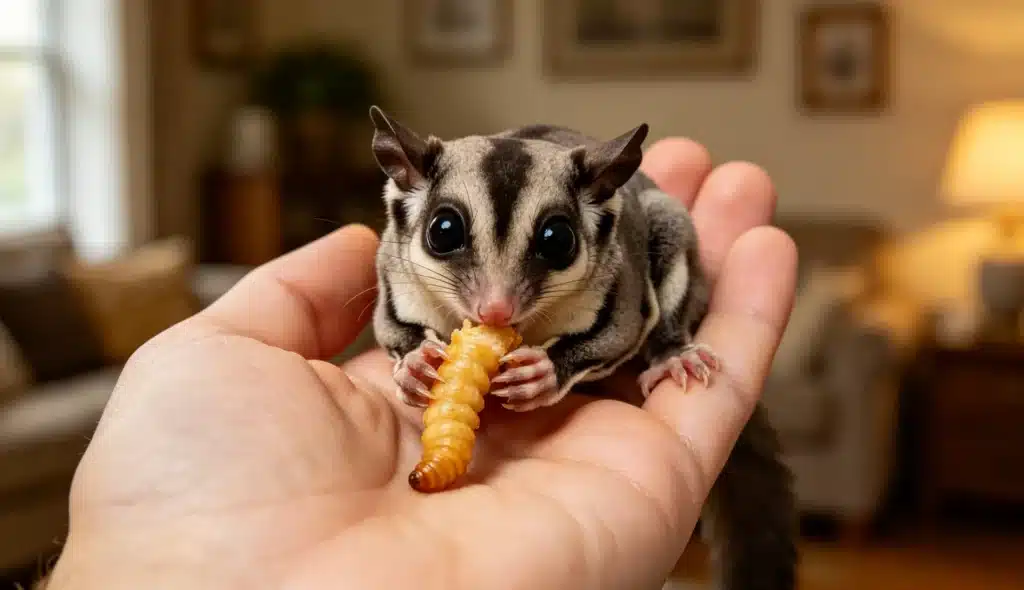
As prey animals, sugar gliders are naturally timid and defensive. Most biting incidents happen due to wrong human operations. Never touch them roughly within the first month after bringing them home, and avoid waking them up in the daytime. The correct bonding method is to wear a fleece pouch with your body scent for 1-2 hours daily, and feed them mealworms or sweet fruits with your palm to build trust gradually.
The Advantages: Why Pet Lovers Adore Sugar Gliders
Objectively speaking, sugar gliders have irreplaceable charm for qualified owners. Once they build a stable bond with you, they will cling to your body, groom your hair, and sleep in your pocket all day. Their flexible acrobatic movements bring endless fun. Moreover, they keep quiet and calm during daytime sleeping hours, causing no disturbance to your daily work.
Final Verdict: Should You Get a Sugar Glider?
✅ You Are a Qualified Owner If You:
- Can make a 12–15 year long-term commitment
- Insist on raising a bonded pair instead of a single glider
- Can afford professional food supplies and exotic veterinary services
- Tolerate night noise and daily cleaning work
❌ Give Up If You:
- Are looking for a low-maintenance casual pet
- Live in a small noisy apartment
- Travel frequently without fixed pet caregivers
- Have young kids with rough petting habits
Final Pro Tip for New Breeders
Ready to dive deeper? Don’t guess—connect with local American sugar glider communities. They are the best source for field-tested feeding formulas and local vet recommendations that you won’t find on a general pet shop website.
This content is for educational purposes only and does not substitute professional veterinary diagnosis or treatment. If you observe any symptoms of illness, injury, or abnormal behavior, please consult a qualified exotic animal veterinarian immediately.
For more details, please review our full Medical Disclaimer.
Pingback: Capybara as a Pet: Cost, Legality, Temperament & Complete Care Guide 2026