
This rosy boa beginner guide helps new hobbyists make smart choices. Getting your very first snake is always an exciting milestone. If you’ve started browsing beginner-friendly reptiles, rosy boa has definitely crossed your search list. The most common question new hobbyists ask stays the same: is a rosy boa a worthy pick as your inaugural snake pet this year?
Online content tends to either overly praise this desert species or skip over its hidden drawbacks. This rosy boa beginner guide stays neutral and practical. We walk through genuine advantages and downsides of keeping rosy boa, lay out daily care basics, compare it against other mainstream starter snakes, and clarify which type of keeper fits this reptile best.
No exaggerated claims, no complicated jargon. Whether you live in a compact living space, prefer easy daily upkeep, or feel uneasy about handling snakes, all key details you need before bringing one home are covered right here.
Rosy Boa Beginner Guide: Basic Species Introduction
Before diving deep into pros and cons, let’s get familiar with this unique non-venomous snake. Rosy boa, scientifically named Lichanura trivirgata, naturally inhabits dry rocky areas across southwestern United States and northern Mexico.
Unlike much larger boa constrictors that reach massive lengths, rosy boas stay compact enough for new snake keepers.
Basic Species Profile
| Characteristic | Specific Info |
|---|---|
| Adult Full Size | 2 to 4 feet, female individuals grow slightly larger |
| Average Lifespan | 20 to 30 years with stable daily care |
| Common Temperament | Gentle, slow-paced and rarely aggressive |
| Daily Activity Pattern | Nocturnal, stays hidden and quiet in daytime |
| Native Living Environment | Arid desert and dry shrub land |
| Popular Color Variations | Original wild tone, albino, anerythristic morphs |
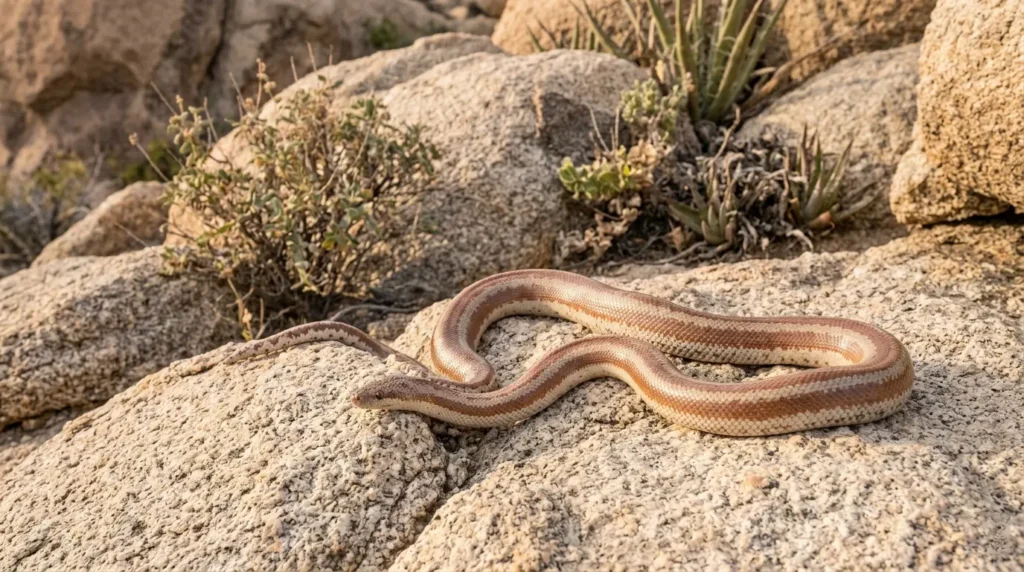
What makes rosy boa stand out among beginner snakes is its mild personality paired with manageable body scale. It moves slowly and steadily, never makes sudden frantic movements, which greatly eases the tension of first-time handlers.
Rosy Boa Beginner Guide: Top Advantages for New Keepers
Many reptile keepers name rosy boas one of the most beginner-friendly snakes available in 2026, thanks to practical traits that cut down common new-owner headaches.
Compact Size Saves Living Space
You never need oversized housing for a rosy boa. Fully grown individuals live comfortably inside a 20 to 30 gallon enclosure. Young juveniles adapt well to 10 to 15 gallon tanks, and frequent large-scale tank upgrades are unnecessary during its growth period.
Their modest space needs make them an ideal pick for anyone living in apartments, dorms or small homes with limited indoor room. It won’t take up much room and keeps your living environment neat and tidy.
Gentle Nature Easy for Daily Handling
Nervous about accidental bites during interaction? Rosy boa is a reassuring choice. This snake seldom shows defensive behavior, even newly hatched babies stay calm most of the time.
Its slow movement brings stable handling experience. With regular gentle contact, most rosy boas quickly get used to human interaction. It suits people building confidence in snake handling, and supervised kids can also join safe daily contact. (If you are specifically searching for an ultra-gentle, zero-bite species for young children, compare it with the california rubber boa to see which fits your household best.)
A small practical tip: Tap lightly beside the tank with a snake hook before picking it up. This simple action helps the snake distinguish feeding time from handling time and avoid unnecessary startling responses.
Low Humidity Requirement Cuts Maintenance Work
Originating from dry desert terrain, rosy boa adapts perfectly to low moisture surroundings. The ideal humidity level stays between 30% and 50%, far less demanding than many other popular pet snakes.
Species like ball python and corn snake need regular spraying to maintain proper humidity range, while rosy boa rarely requires moisture adjustment. Keepers living in dry regional areas will find daily care much simpler, with fewer risks of mold growth or incomplete shedding caused by improper humidity.
Stable Feeding Habit Reduces Raising Anxiety
Food refusal is one of the top worries for new snake owners, yet rosy boa rarely has such issues. It maintains steady appetite and accepts standard frozen thawed prey regularly.
Young snakes under one year old take small mice once every week. Adult individuals feed on medium-sized mice or tiny rats every two to four weeks. It hardly goes on seasonal fasts, so you can follow a fixed feeding schedule without frequent worries about poor appetite.
Simple Enclosure Setup Low Entry Threshold
You do not need expensive, specialized gear to create a comfortable living space for your rosy boa. The whole layout follows desert habitat features with straightforward configuration.
- Enclosure: Standard glass tank or PVC front-opening cage
- Bedding material: Aspen shavings stands as the most practical option
- Temperature layout: Warm side keeps 88-92°F, cool side maintains 75-80°F
- Essential furnishing: Two hiding shelters and a shallow drinking water bowl
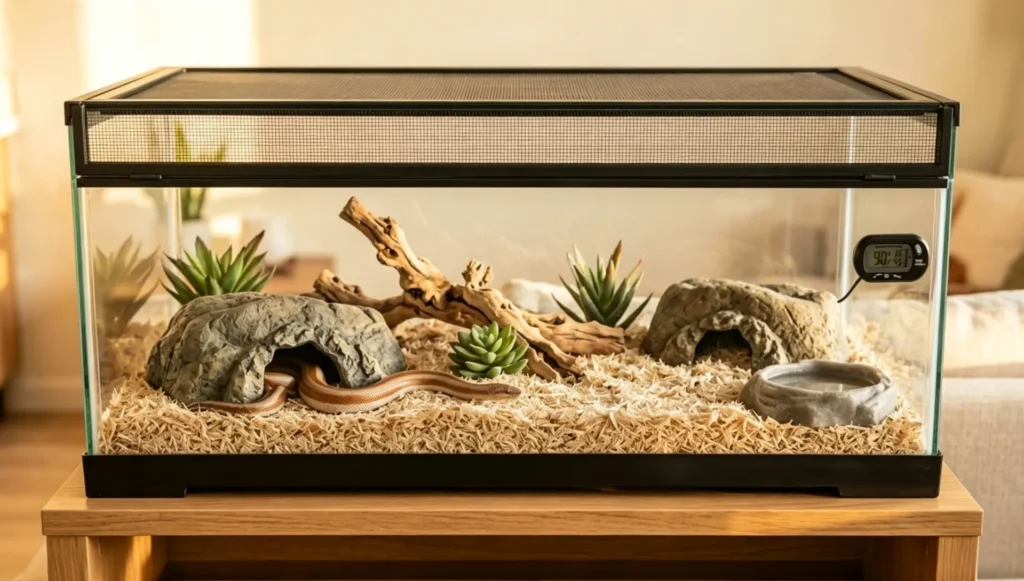
Extra ultraviolet lighting is not mandatory, and daily cleaning and inspection only take a short time each week. The overall setup cost stays affordable, friendly for newcomers with limited budget.
Long Lifespan Creates Long-Term Companion Bond
When cared for properly, rosy boa accompanies owners for two to three decades. It is not a temporary casual pet, but a steady long-term companion that grows alongside your daily life. For people seeking lasting reptile companionship, this long lifespan becomes a precious merit.
Rosy Boa Beginner Guide: Honest Disadvantages to Know
This guide breaks down the clear drawbacks of rosy boa ownership to help you avoid rushed purchases that clash with your lifestyle. Understanding these downsides helps you avoid impulsive decisions and match your actual raising habits.
Night Active Habit Limits Daytime Interaction
Rosy boa belongs to typical nocturnal reptiles. It rests and hides quietly throughout daytime, and only becomes active and energetic after night falls.
If you hope to observe and play with your snake in daytime hours, this living habit will bring obvious disappointment. Most interactive moments can only happen during evening or early morning periods.
Low Activity Level Lacks Viewing Fun
Corn snakes are famous for curious and lively exploration, while rosy boa prefers quiet hiding and slow crawling. It rarely wanders actively inside the tank, presenting a calm and quiet daily state.
Those who love energetic, constantly moving pets may feel the viewing experience plain and monotonous. This species fits observers who enjoy peaceful reptile watching, instead of lovers of dynamic lively creatures.
Relatively Limited Market Availability
Corn snakes and ball pythons can be easily purchased at local physical pet stores, while rosy boa stock quantity is much smaller in mainstream pet markets. Most buyers need to contact specialized reptile breeders or professional offline shops to get healthy individuals.
The restricted supply leads to slightly higher purchase price, and buyers need to spend more time screening reliable sellers to avoid unhealthy individual snakes.
Strong Prey Instinct May Cause Accidental Nipping
Though defensive biting rarely occurs, rosy boa keeps sharp feeding sensitivity. When your hand approaches near feeding time, it may mistakenly regard warm hands as food source and make unexpected nipping moves.
Such actions do not carry hostile intent, but still easily scare inexperienced keepers. It is better to keep hands away within 48 hours after each feeding to prevent similar small accidents.
Long Service Life Means Heavy Long-Term Responsibility
The 20 to 30 year lifespan brings companionship value, meanwhile it puts forward lasting raising obligations. Living conditions, personal schedules and economic status may change greatly in decades, and you need to guarantee stable care all the time.
Anyone who only wants short-term pet experience should think twice before choosing rosy boa, to avoid abandoning issues caused by insufficient long-term preparation.
Single Morph Design Less Visual Diversity
While other pet snakes offer endless genetic variety—such as the wide array of beginner ball python morphs available on the market—rosy boas have very limited color variations, dominated by their classic natural stripe appearance with few alternative styles.
Rosy Boa VS Common Beginner Snakes Comprehensive Comparison
To judge whether rosy boa suits your preference, we compare it with two most popular starter snakes, corn snake and ball python, showing intuitive differences in all raising aspects.
Rosy Boa and Corn Snake Contrast
| Comparison Item | Rosy Boa | Corn Snake |
|---|---|---|
| Adult Body Size | Compact 2-4 feet | Medium 4-6 feet |
| Character Performance | Gentle and slow moving | Active and curious nature |
| Suitable Humidity Range | Low 30%-50% | Moderate 40%-60% |
| Active Time Period | Nighttime only | Mainly daytime active |
| Feeding Stability | Hardly refuse food | Occasional temporary fasting |
| Market Purchasing Ease | Hard to buy locally | Easy access in regular shops |
| Ideal Keeper Group | Space limited, handling cautious owners | Fans of daytime pet interaction |
Rosy Boa and Ball Python Contrast
| Comparison Item | Rosy Boa | Ball Python |
|---|---|---|
| Adult Body Size | Smaller body build | Medium body proportion |
| Daily Temperament | Mild and approachable | Timid and alert personality |
| Humidity Maintenance | Low moisture requirement | Relatively high humidity needed |
| Eating Condition | Consistent stable appetite | Prone to seasonal food refusal |
| Appearance Morphs | Few optional variations | Rich colorful morph choices |
| Suitable Raising Area | Dry climate living regions | Areas with natural humid air |
Simple Selection Reference
Go with a rosy boa if you want a small snake that needs minimal humidity adjustments and rarely skips meals. If you hope to spend time watching and handling your snake during daylight hours and want easy access to local breeders, check our complete corn snake care guide to see if its daily routine fits your schedule.
Rosy Boa Beginner Guide: Daily Care Essentials
If you confirm rosy boa matches your raising demands, follow this simplified daily care routine to maintain stable health condition of your pet snake.
Enclosure Size and Safety Design
Young snakes adapt to 10-15 gallon tanks, adult individuals need 20-30 gallon long containers. Equip sealed safe tank lids, as rosy boa can squeeze through tiny gaps and escape easily. Front opening style cages bring more convenient daily feeding and cleaning operation.
Proper Bedding Material Selection
Aspen shavings rank as the top choice, supporting natural burrowing behavior and easy waste cleaning. Reptile carpet and paper towels work well for temporary quarantine use. Avoid sand as a substrate, since accidental ingestion can lead to internal digestive issues. Contact a reptile care specialist right away if you notice signs of distress after substrate consumption.
Scientific Temperature Control Settings
Keep warm side temperature between 88°F and 92°F, cool side stays 75°F to 80°F. Nighttime temperature can drop moderately within 70°F to 75°F range. Use under tank heating pads matched with temperature controller, never place hot rock heating products inside the enclosure to prevent skin burns.
Humidity and Daily Water Management
Keep humidity steady at 30% to 50%, slight spraying once or twice weekly is enough in dry weather. Replace drinking water inside shallow bowls every single day to keep drinking water clean. Most rosy boas shed cleanly thanks to their dry natural habitat. Contact a reptile care specialist quickly if you spot stuck shed that does not resolve on its own.
Age-Based Regular Feeding Plan
Newly born snakes eat frozen thawed small mice on weekly basis. Juvenile snakes get food every 10 to 14 days. Mature adult snakes take meals every 2 to 4 weeks. Follow the basic rule: prey width equals the thickest part of snake body, and stick to frozen prey to avoid injury risks from live food.
Gentle Daily Handling Rules
Avoid picking up the snake within two days after feeding to prevent regurgitation problems. Reduce contact frequency during shedding period to cut down stress reaction. Always support the whole snake body during holding, do not drag or grasp the tail part. Start with short 5 to 10 minute contact and extend time gradually.
Suitable and Unsuitable Crowd for Raising Rosy Boa
Perfect Matching Keepers
- First time snake owners with no previous reptile raising experience
- People living in small apartments and narrow indoor spaces
- Residents staying in dry climate zones without frequent humidity adjustment
- Hobbyists fond of quiet low-maintenance reptile companions
- Families with kids under adult supervised interaction
- Busy daily schedule holders who only have limited weekly care time
Not Recommended Raising Crowd
- People longing for frequent daytime observation and interaction
- Fans chasing lively and constantly active pet creatures
- Collectors pursuing rich colorful snake morph appearances
- Keepers only planning short-term temporary pet feeding
- Residents living in perennial high humidity natural environment
Final Conclusion: Is Rosy Boa Qualified as First Snake Pet
Overall speaking, rosy boa serves as an outstanding beginner snake option for matching keepers in 2026. Its compact figure, mild temper and simple daily care greatly lower the entry difficulty of snake raising, bringing stable and pleasant pet keeping experience.
Still, it cannot satisfy all raising preferences. Those craving lively daytime activities or diverse gorgeous appearances may find other species more suitable. If you get ready for decades of stable care, live in dry surroundings and prefer calm easy-going pets, rosy boa will become a satisfying reptile companion.
It is always wise to choose captive bred individual snakes from reputable sellers. Joining local reptile communication communities also helps you exchange practical raising experience with fellow hobbyists and solve daily small problems timely.
With careful and patient daily tending, your rosy boa will accompany you through long peaceful years and bring unique fun of reptile keeping.
If you’re planning your rosy boa habitat or want to double‑check temperatures, feeding schedules, or enclosure needs, we’ve built a full set of free pet care tools & calculators to make reptile keeping easier for beginners.
All the care rules shared above simplify rosy boa setup and daily upkeep for first-time reptile owners.
This content is for educational purposes only and does not substitute professional veterinary diagnosis or treatment. If you observe any symptoms of illness, injury, or abnormal behavior, please consult a qualified exotic animal veterinarian immediately.
For more details, please review our full Medical Disclaimer.
Pingback: 5 Best Pet Snakes for Beginners (That Actually Won't Bite)
Pingback: Beginner Ball Python Morphs Price Guide (2026): Top 10 Morphs & Health Warnings