
Introduction
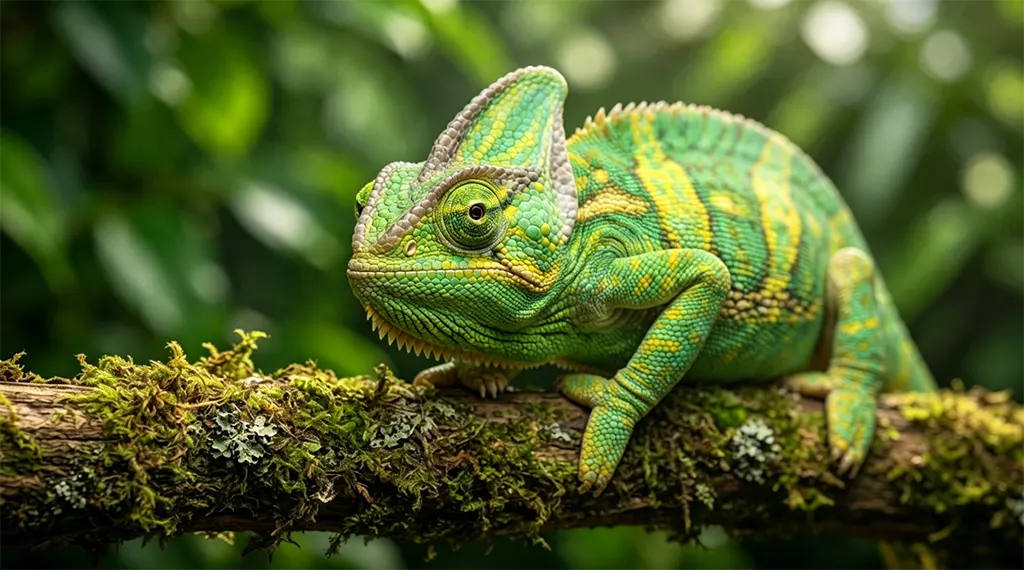
Veiled chameleon dehydration symptoms often go unnoticed until they reach advanced stages, especially in climate-controlled urban apartments. Many keepers rely on skin color changes as a primary indicator, but this metric is frequently misleading—color shifts can signal stress, temperature discomfort, or mood shifts unrelated to hydration status. This guide takes a data-driven approach to spotting early hydration concerns, focusing on measurable signs and environmental calibration rather than anecdotal observation.
For chameleons housed in air-conditioned apartment environments, the risk of chronic low-grade dehydration is significantly elevated. Standard room air conditioning creates stable ambient temperatures but disrupts natural humidity cycles, producing what we term “false humidity saturation”—conditions where surface-level readings appear adequate but microclimatic conditions at the animal’s actual perching level are severely desiccated.
Early Detection: Signs of Sub-Clinical Hydration Imbalance
Urate Color: Your First Early Warning Sign
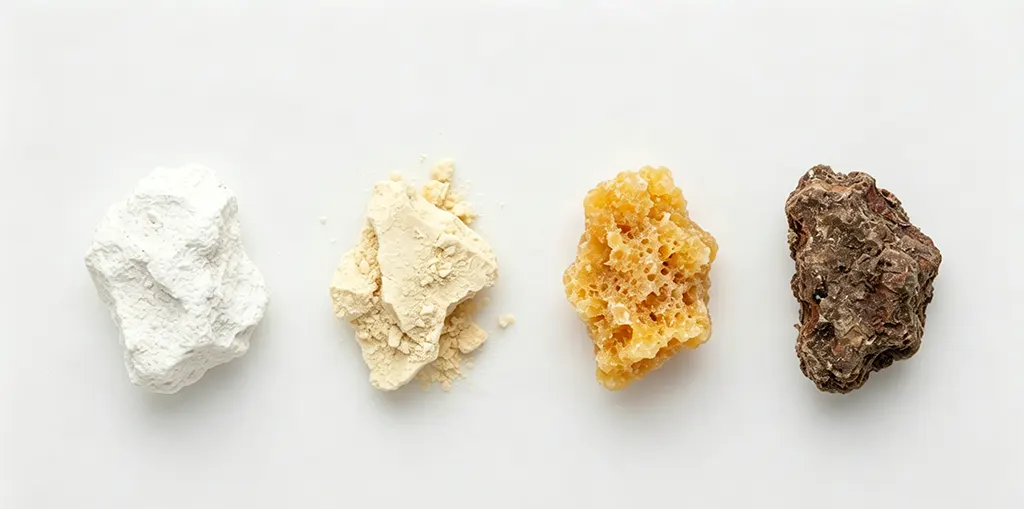
The single most accurate early indicator of hydration status appears in the chameleon’s excrement. Veiled chameleons excrete nitrogenous waste as solid urate deposits, which directly reflect systemic water balance:
- Pure chalky white urate: Typical of well-hydrated chameleons. Renal function is operating within normal parameters and water intake is sufficient.
- Pale yellow or cream-colored urate: May signal early hydration concerns. This can suggest the chameleon’s body is retaining more uric acid due to lower water intake. If this appearance persists across multiple feeding cycles, consult a licensed reptile veterinarian.
- Bright yellow or orange urate: May indicate noticeable hydration depletion. This means the chameleon’s body is working to conserve as much water as possible. If you notice this change consistently, consult a licensed reptile veterinarian for guidance.
- Brown or reddish urate: Can be a sign of serious hydration imbalance. If you observe this, contact a licensed reptile veterinarian right away.
Taking time to record what normal looks like for your specific chameleon will help you spot small changes early. Check urate appearance at every feeding cycle to establish a clear baseline for your individual animal.
Assessing Sunken Eye Appearance
Assessing sunken eye appearance in veiled chameleons requires careful observational technique. Sub-clinical hydration changes can produce measurable reduction in periorbital fluid volume, causing the eyeball to sit deeper within the orbit.
To assess accurately:
- View the head from a direct lateral angle at eye level with the chameleon
- Observe the distance between the eyelid margin and the corneal surface
- Compare against baseline photos of the same animal at confirmed full hydration
- Assess both sides—if only one eye appears sunken, it may be related to localized injury or infection rather than whole-body hydration, and should be evaluated by a licensed reptile veterinarian.
Note that this sign is more reliable in adult specimens. Juvenile veiled chameleons have proportionally larger eye sockets and may appear slightly sunken even at full hydration. If you notice persistent sinking or unusual changes to your chameleon’s eyes, consult a licensed reptile veterinarian for advice.
The Air Conditioning Trap: Why “Normal” Humidity Readings Can Be Misleading
The False Humidity Saturation Phenomenon
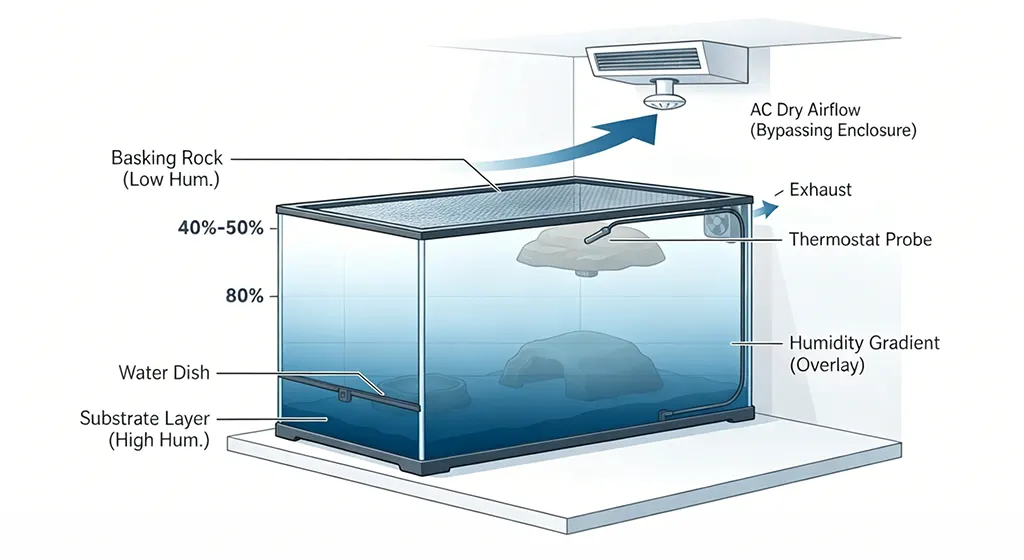
Most apartment keepers place a single hygrometer at mid-enclosure height and assume the reading represents conditions throughout the habitat. In air-conditioned rooms, this produces dangerously misleading data.
Air conditioning units operate by cooling air through an evaporator coil, which simultaneously removes moisture from the air stream. When this dry, cooled air enters a chameleon enclosure:
- It sinks to the lower portion of the enclosure due to higher density
- It creates stratification where lower levels read deceptively “normal” on hygrometers placed at mid-height
- The upper basking zone—where the chameleon spends 60-70% of its daytime hours—experiences relative humidity 15-25 percentage points lower than mid-level readings
- Constant air movement from HVAC vents accelerates water loss across the chameleon’s respiratory epithelium
This is why keepers frequently report “my humidity reads 50% but my chameleon shows signs of low hydration.” The measurement is accurate for where the sensor sits, but irrelevant to where the animal actually spends most of its time. The same false-reading trap plagues dry-climate ball python keepers — our guide on dry-climate humidity fixes for ball pythons walks through the exact gear and microenvironment logic that solves it.
Temperature Gradient Baseline Requirements
Before addressing humidity, confirm your thermal gradient is within species-appropriate parameters, as temperature directly drives respiratory water loss:
- Basking spot surface temperature: 32°C – 35°C, measured with an infrared temperature gun at the exact perch location
- Cool zone ambient temperature: Not below 22°C at the lowest enclosure level
- Nighttime temperature drop: Natural decline to 20°C – 24°C is acceptable and beneficial
Higher-than-recommended basking temperatures exponentially increase dehydration risk. A 3°C increase above the 35°C upper limit can increase respiratory water loss by approximately 40%.
Vertical Humidity Gradient: Step-by-Step Implementation
What Is a Vertical Humidity Gradient?
A vertical humidity gradient is a deliberate stratification of moisture levels from bottom to top of the enclosure, mimicking the natural canopy-to-forest-floor moisture profile that veiled chameleons evolved within.
Proper gradient structure:
- Upper canopy zone (basking area): 40% – 50% relative humidity during daytime hours
- Mid-enclosure foliage zone: 50% – 60% relative humidity
- Lower substrate/ground zone: 60% – 70% relative humidity
- Nighttime across all zones: 80% – 100% relative humidity, achieved through sustained misting before lights-out
This structure allows the chameleon to self-regulate by moving between microclimates, while ensuring the basking zone never reaches desiccating levels below 40%.
Misting System Placement and Scheduling
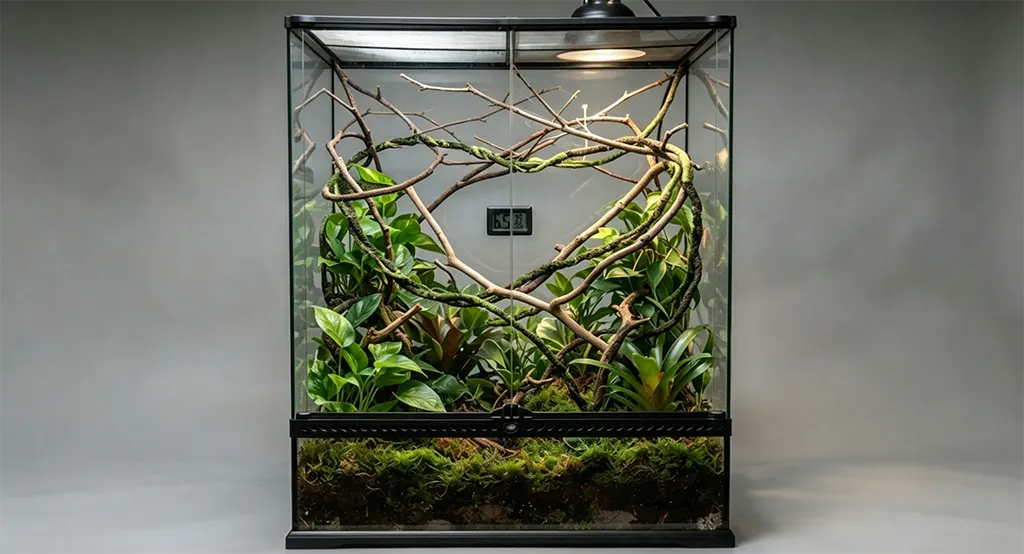
Calibrating your automated misting system properly is the key to keeping a steady humidity gradient day to day.
- Nozzle positioning: Install misting nozzles on the upper third of the enclosure, directed downward at a 45° angle toward foliage rather than directly at basking perches. This allows water droplets to cascade through vegetation, creating progressive moisture stratification.
- Daytime cycling protocol:
- 3–4 misting events per day, 60–90 seconds each
- Schedule events at least 2 hours apart to allow complete drying between cycles
- Target mid-enclosure humidity recovery to 55–60% immediately post-mist, declining to 40–45% before the next cycle
- Never mist during peak basking hours (2–4 hours after lights-on) when the animal is thermoregulating at maximum temperature
- Nighttime hydration protocol:
- One extended misting event 15 minutes before lights-out, 2–3 minutes duration
- Target 80%+ humidity that persists through the first half of the dark cycle
- This overnight high-humidity period supports pulmonary and cutaneous rehydration, compensating for daytime water loss
- Drainage requirement: Ensure complete drainage from the enclosure bottom. Standing water creates bacterial growth risk and eliminates the drying phase necessary for respiratory health.
Because humidity requirements shift throughout your chameleon’s growth, keeping track of these parameters manually can be challenging. To streamline this process, you can use our interactive reptile environmental calculator to instantly identify the optimal temperature and humidity ranges for your specific pet’s life stage.
UVB and Hydration Interaction
UVI levels for veiled chameleons are most often discussed in the context of metabolic bone disease prevention, but UVB exposure also directly impacts hydration dynamics.
Proper UVB specification:
- Fixture type: T5 HO fluorescent fixture with reflective housing
- UVI at primary basking perch: 2.0 – 3.0, measured with a Solarmeter 6.5 at the exact animal body position
- Photoperiod: 12 hours on / 12 hours off, consistent with seasonal baseline
Adequate UVI levels support normal renal function and vitamin D3 metabolism, both of which influence water regulation physiology. Insufficient UVB creates sub-clinical physiological stress that can worsen hydration risks, even when water availability appears adequate. If you have concerns about your chameleon’s UVB setup and overall health, consult a licensed reptile veterinarian.
Advanced FAQ: Hygrometer Calibration and Sensor Accuracy
How accurate are consumer-grade hygrometers, and how often should I calibrate?
Most digital hygrometers sold for reptile use have an accuracy range of ±5% to ±7% out of the box, and drift occurs over 6–12 months of continuous use. For precise gradient management, calibration every 3 months is recommended.
What is the salt calibration method?
The saturated salt solution method provides a reliable 75% RH reference point:
1. Fill a small bottle cap with table salt (sodium chloride)
2. Add just enough distilled water to create a thick slurry (not dissolved)
3. Place the cap and your hygrometer inside a sealed airtight container
4. Leave at room temperature for 8–12 hours
5. The hygrometer should read exactly 75% RH
6. If reading is off by more than 3%, adjust the calibration offset or replace the unitWhere exactly should I place my sensors?
For meaningful data, deploy a minimum of three sensors:
1. One at primary basking perch height (most critical measurement)
2. One at mid-enclosure foliage level
3. One at substrate level
This three-point measurement system reveals your actual gradient profile and exposes the stratification that single-sensor setups completely miss.Can constant high humidity replace proper cycling?
No. Continuous humidity above 70% during daylight hours creates respiratory pathogen risk and eliminates the natural drying cycle that chameleon physiology requires. The 40–60% daytime fluctuation with nighttime elevation to 80–100% is not an arbitrary range—it matches the species’ native climatic pattern.
Closing
Sub-clinical hydration concerns in veiled chameleons are almost always an environmental problem, not an animal behavior problem. When keepers report “my chameleon won’t drink,” the underlying issue is typically inappropriate humidity stratification or incorrect thermal gradient that disrupts normal drinking behavior.
By implementing a measured vertical humidity gradient, calibrating misting systems to produce proper diurnal cycling, and monitoring urate color as an early warning sign, you create a preventive system that addresses hydration concerns before they progress to more serious issues.
Tracking these concrete metrics and adjusting your setup accordingly helps you catch issues early and maintain a stable, species-appropriate habitat for your chameleon. (If you find managing precise vertical microclimates overly demanding for your apartment setup, explore our blue-tongued skink selection and breed decision blueprint for a simpler terrestrial alternative.)
This content is for educational purposes only and does not substitute professional veterinary diagnosis or treatment. If you observe any symptoms of illness, injury, or abnormal behavior, please consult a qualified exotic animal veterinarian immediately.
For more details, please review our full Medical Disclaimer.