
Finding the best beginner tarantula by location is critical for new keepers—If you’re scrolling pet forums, TikTok tarantula reels, or Google late at night hunting for your first pet tarantula, one question always pops up: which calm, low‑risk spider is legal where I live, easy to keep in my climate, and safe for apartment or rental living? Most beginner tarantula guides online only list general care tips—they ignore critical real‑world barriers: regional legality bans, local humidity swings, rental housing rules, and even where to buy legally without risking smuggled stock. Worse, many generic guides skip key standout species like Grammostola Pulchra, a long‑lived family‑friendly pick often overlooked by new keepers.
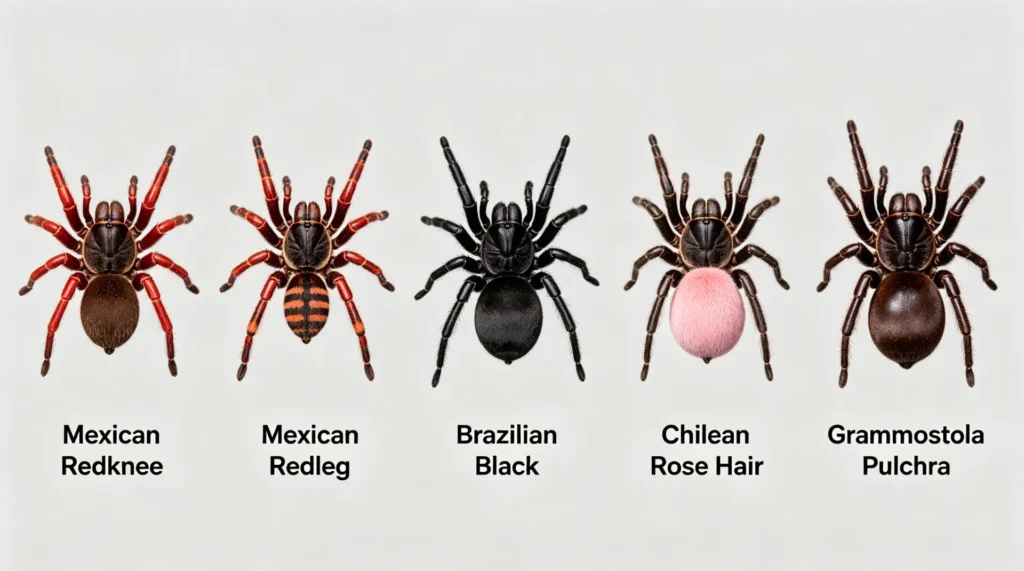
Today we break down five of the world’s most gentle, beginner‑friendly terrestrial tarantulas: Mexican Redknee (Brachypelma hamorii), Mexican Redleg (Brachypelma emilia), Brazilian Black (Grammostola pulchra), Chilean Rose Hair (Grammostola rosea), and Grammostola Pulchra. We add exclusive geo‑targeted data missing from 99% of online tarantula content: country‑by‑state legality charts, climate‑matched care setups for major global regions, housing‑specific recommendations, and safe local sourcing guides tailored to your location. Whether you live in a dry Arizona apartment, a damp London flat, or a humid Southeast Asian condo, this guide helps you choose the best beginner tarantula by location.
Best Beginner Tarantula by Location: Why These 5 Species Are Perfect for New Keepers
First, we cut out the noise. Popular “beginner” tarantulas like orange baboon or cobalt blue are falsely recommended online—they’re fast, defensive, or have stronger venom reactions for new keepers. We only selected slow‑moving, docile, low‑venom terrestrial species that tolerate gentle handling and rarely kick irritating urticating hairs aggressively, with clear location‑focused strengths for each:
- Mexican Redknee: Perfect for North America and European temperate zones, extremely docile with an impressively long lifespan, well‑suited for dry, mild‑temperature climates
- Mexican Redleg: Cold‑hardy and compact in size, thrives in wet‑cold regions, ideal for renters and small‑space living due to minimal footprint
- Brazilian Black: Stunning jet‑black velvet appearance, low‑activity and quiet temperament, naturally adapts to humid, damp living conditions
- Chilean Rose Hair: Global beginner staple, highly hardy and forgiving of common care mistakes, the highest‑tolerance option for first‑time owners
- Grammostola Pulchra: Moderate adult size, remarkable longevity, built for multi‑decade family companionship and long‑term household keeping
These five check every box for choosing the best beginner tarantula by location, with low maintenance, minimal risk, visual appeal, and adaptability to regional weather patterns.
Best Beginner Tarantula by Location: Regional Legality Breakdown for Global Regions
The biggest beginner mistake is buying a tarantula only to face confiscation or fines due to local exotic pet laws. Below is our exclusive region‑based legality table, missing from mainstream tarantula blogs, marking allowed, restricted, or banned status for each species.
| Region/Country | Mexican Redknee | Mexican Redleg | Brazilian Black | Chilean Rose Hair | Grammostola Pulchra | Key Legal Notes |
|---|---|---|---|---|---|---|
| Most US States (CA, TX, FL excepted) | Allowed | Allowed | Allowed | Allowed | Allowed | No permit needed for terrestrial tarantulas in 47 states; CA bans wild‑caught Brachypelma spp. |
| California (US) | Restricted (captive‑bred only) | Restricted (captive‑bred only) | Allowed | Allowed | Allowed | Wild imports banned; captive‑bred only from licensed vendors |
| United Kingdom | Allowed | Allowed | Allowed | Allowed | Allowed | No Dangerous Wild Animals Act restrictions for these species |
| EU (Germany, France, Netherlands) | Allowed | Allowed | Allowed | Allowed | Allowed | EU exotic pet rules permit non‑venomous terrestrial tarantulas |
| Canada | Allowed | Allowed | Allowed | Allowed | Allowed | Federal legal; check provincial municipal housing bans |
| Australia | Banned | Banned | Banned | Banned | Banned | Strict biosecurity laws; all tarantula imports prohibited for private keepers |
| Southeast Asia (SG, MY, TH) | Allowed (licensed import) | Allowed (licensed import) | Allowed (licensed import) | Allowed (licensed import) | Allowed (licensed import) | Avoid street‑sold smuggled specimens |
Best Beginner Tarantula by Location: Climate‑Tailored Care for Every Region
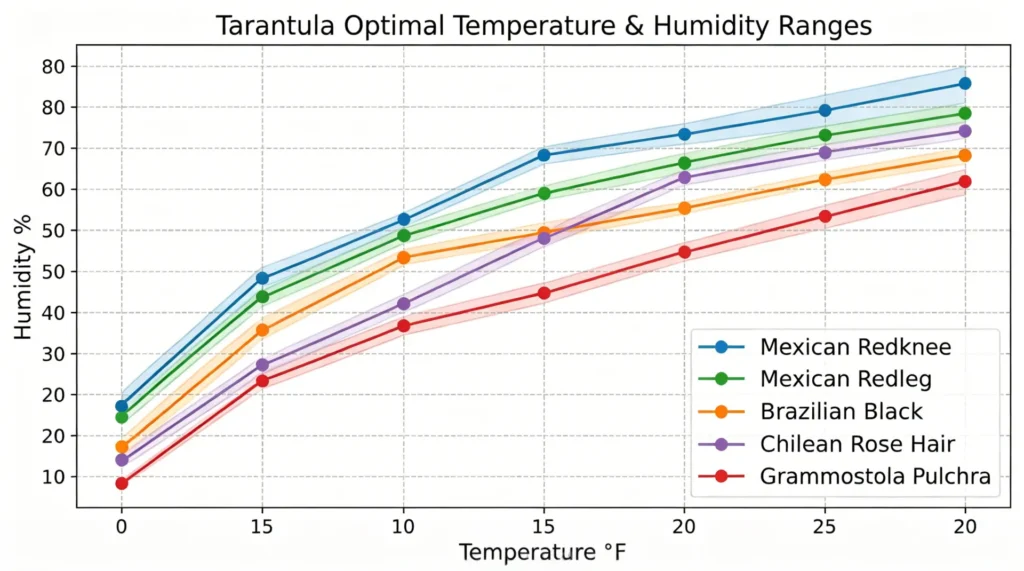
Generic care guides tell you to keep tarantulas at 70–78°F and 60% humidity—but this fails for keepers in dry North America, wet cold Europe, hot Australia, or monsoon Asia. We customize temperature, humidity, substrate, and overwintering for each region, matching each species’ natural strengths to your local indoor climate:
1. North America Dry Zones (Southwest US, Western Canada)
Low ambient humidity, hot summers, cool dry winters
- Top Pick: Mexican Redknee > Grammostola Pulchra
- Temp: 72–78°F year‑round; winter low‑watt heating pad (no direct contact with enclosure)
- Humidity: 45–55%; light misting twice weekly only (for age-specific day/night optimal ranges, refer to our complete Mexican Redknee tarantula humidity and temperature guide)
- Substrate: Coco coir + peat moss mix (holds mild moisture without mold or rot)
- Apartment hack: Position enclosure away from drying AC vents and direct desert sunlight
2. European Wet‑Cold Zones (UK, Northern EU, Scandinavia)
High ambient humidity, cold damp winters, persistent indoor moisture
- Top Pick: Mexican Redleg > Brazilian Black
- Temp: 68–74°F; avoid cold window drafts and unheated garages
- Humidity: 50–60%; minimal misting to prevent bacterial growth
- Substrate: Arid soil + sand blend to counteract excess regional dampness
- Overwinter note: Mexican Redleg’s cold tolerance makes it far more stable here than tropical‑leaning species
3. Australian Hot Zones (for licensed professional keepers only)
Extreme heat spikes, low nighttime humidity, harsh seasonal shifts
- Care note: Private ownership banned; professional keepers use climate‑controlled vivariums
- Ideal species match: Brazilian Black (heat‑tolerant low‑activity breed)
4. Asian Monsoon Zones (Southeast Asia, East Asia Coastal)
Year‑round high heat + heavy seasonal rainfall and humidity swings
- Top Pick: Chilean Rose Hair > Mexican Redleg
- Temp: 74–80°F; strictly avoid direct sunlight exposure
- Humidity: 55–65%; extra ventilation holes critical to stop substrate rot
- Substrate: Well‑drained coco husk chips for rapid moisture release
Best Beginner Tarantula by Location: Housing‑Specific Picks for Apartments & Rentals
Most new tarantula owners live in urban apartments or rental units with strict noise, pet, and odor rules—another major gap in standard care content. We tailor picks by living situation, leaning into each spider’s built‑in advantages aligned with local housing policies:
- City Apartment (US/EU Urban Centers)
- Noise restrictions, limited countertop space, small enclosure requirements
- Best choice: Mexican Redleg or Chilean Rose Hair (small adult size, compact setups, zero noise output)
- Pro tip: Check lease agreements for “exotic pet” clauses; these five species are nearly always permitted as non‑traditional pets.
- Rental Housing (Strict Landlord Rules, Move‑In Ready Care)
- Low mess, low odor, minimal maintenance priority for temporary living
- Best choice: Brazilian Black (ultra‑quiet, low urticating hair release, clean waste habits)
- Bonus: Mexican Redleg’s compact body type avoids landlord pushback against large exotic pets
- Villa/Courtyard Home (Suburban US/EU, Long‑Term Family Homes)
- Space for larger terrestrial enclosures, multi‑year pet planning
- Best choice: Grammostola Pulchra, followed by Mexican Redkne
- These two have exceptional lifespans, perfect for multi‑generational family keeping and permanent household companionship
Safe Local Sourcing & Compliance (Avoid Smuggled Specimens)
A massive hidden risk for beginner keepers is buying wild‑caught, illegally imported tarantulas that carry parasites, stress diseases, or violate customs laws. If your tarantula shows signs of illness or distress, always consult a licensed exotic animal veterinarian for professional guidance. Below is region‑specific sourcing guidance tied to our core keyword tarantula care for apartments near me:
- United States: Local reptile expos, licensed online captive‑bred breeders, specialty exotic pet stores (avoid big‑box pet stores with poor stock health and generic care guidance)
- UK/EU: Reputable terrestrial tarantula breeders, certified exotic pet shops with full EU import paperwork
- Canada: Provincial licensed breeders; avoid cross‑border private sales without official customs clearance
- Southeast Asia: Government‑licensed importers only; street vendors almost exclusively sell smuggled wild‑caught tarantulas prone to early death
Final Beginner Tarantula Ranking By Location (Quick Decision Guide)
- Dry US Southwest & Temperate Europe: Mexican Redknee > Grammostola Pulchra
- Wet‑Cold European Cities & Rental Living: Mexican Redleg > Brazilian Black
- Urban Apartments Worldwide: Mexican Redleg
- Humid Asian Coastal Areas: Chilean Rose Hair
- Long‑Term Family Household Keeping: Grammostola Pulchra
Closing Positive Guidance
Getting your first beginner pet tarantula is an incredibly rewarding hobby—these five gentle species make it accessible, even for nervous new keepers. Each brings unique location‑specific perks: Mexican Redknee’s dry‑climate hardiness, Mexican Redleg’s rental‑friendly compact build, Brazilian Black’s humid‑adapted quiet beauty, Chilean Rose Hair’s foolproof beginner tolerance, and Grammostola Pulchra’s multi‑decade family companionship. Always prioritize captive‑bred, legally sourced specimens, match your care setup to your local climate, and double‑check regional legality before purchasing. With the right location‑specific care, your chosen tarantula will thrive for 15–30 years as a calm, fascinating companion perfectly tailored to your home and region.
For more beginner‑friendly exotic pet recommendations, take our free reptile species recommender quiz.
This content is for educational purposes only and does not substitute professional veterinary diagnosis or treatment. If you observe any symptoms of illness, injury, or abnormal behavior, please consult a qualified exotic animal veterinarian immediately.
For more details, please review our full Medical Disclaimer.
Pingback: 5 Best Pet Snakes for Beginners (That Actually Won't Bite)
Pingback: Best Pet Snake for Kids California: 5 Reasons Rubber Boa Tops the List