
The “Cheap” Trap: What Most Buyers Get Wrong
Walk into any reptile expo in Southern California and you’ll spot them—$25 Uromastyx tagged on tables piled high with Sudanese or Egyptian varieties. The price tag screams bargain. New keepers often gravitate toward these specimens without understanding a fundamental truth in exotic animal husbandry: the purchase price is merely the entry fee on a much larger ledger.
Industry-standard practices across the professional keeper community reveal a recurring pattern. First-time buyers frequently fixate on acquisition cost, only to encounter a cascade of expenses that transform that “$25 lizard” into a significant financial commitment within the first year. Understanding the true cost of ownership is the mark of a responsible keeper.
Part 1: Breed & Origin Analysis — Captive Bred vs. Wild Caught
The Wild Caught (WC) Reality
Wild-caught specimens dominate the lowest price tiers. These animals are typically harvested from native habitats across North Africa and the Middle East, shipped in bulk, and sold before any thorough assessment of their physiological state occurs.
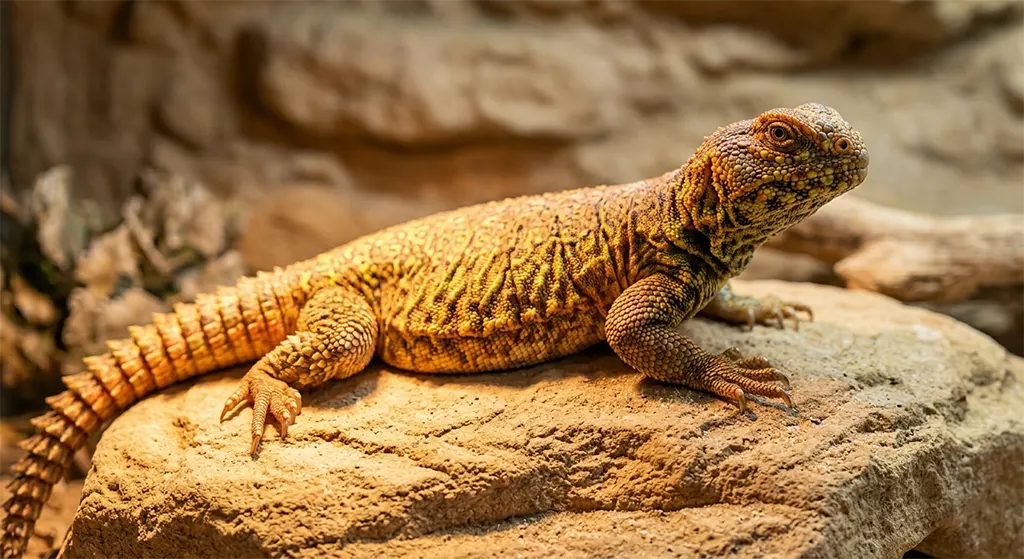
Professional environmental management protocols consistently document concerning health patterns in WC shipments. Based on field observations, a significant percentage of wild-caught uromastyx specimens exhibit signs of stress, dehydration, or internal parasite loads within their first six months in captivity.
| Origin Type | Purchase Price | Immediate Vet Evaluation | Parasite Screening/Treatment | First-Year Survival Rate |
| Wild Caught (WC) | $20-$50 | $150-$250 | $75-$200 | 50-70% |
| Captive Bred (CB) | $75-$200 | $150-$250 (Baseline) | Rarely required | 90-95% |
Species Differentiation in Market Pricing
| Species | Common Name | CB Price Range | Primary Origin |
| Uromastyx aegyptia | Egyptian | $150-$300 | Egypt, Arabia |
| Uromastyx acanthinura | Moroccan | $100-$200 | Morocco, Algeria |
| Uromastyx geyri | Saharan/Yemen | $75-$175 | Niger, Mali, Yemen |
| Uromastyx ornata | Ornate | $125-$250 | Egypt, Israel, Jordan |
| Uromastyx maliensis | Mali | $75-$150 | Mali, Chad |
Part 2: Hidden Operational Costs — The Infrastructure Reality
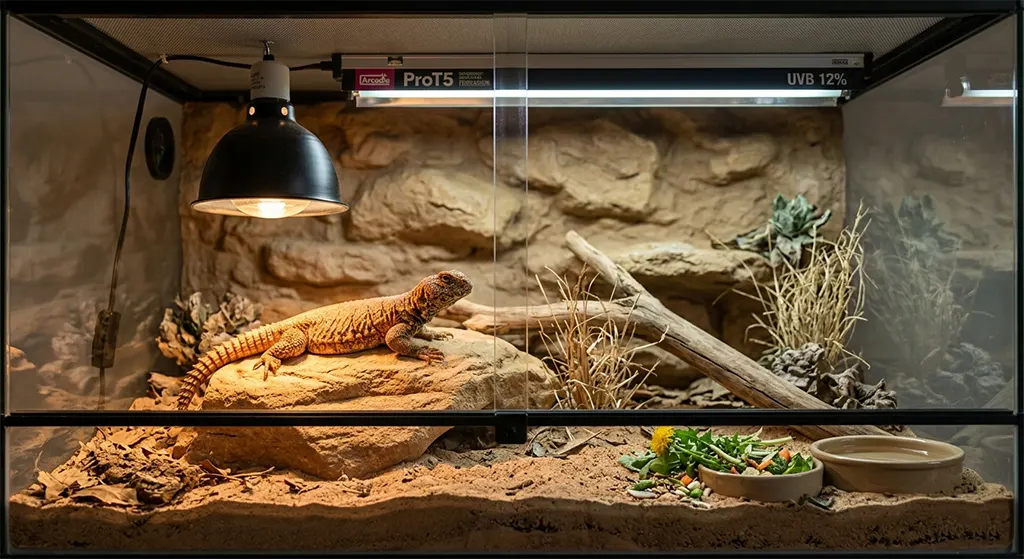
Critical Environmental Specifications
- Basking Surface Temperature: 120°F-130°F (49°C-54°C).
- Ambient Gradient: 85°F-95°F on the warm side, 75°F-80°F on the cool side.
- Relative Humidity: Strictly maintained below 40% to prevent respiratory distress.
Annual Infrastructure Maintenance
| Component | Initial Investment | Annual Operating Cost | Lifespan |
| T5 HO UVB Fixture + Tubes | $45-$75 | ~$40 (Tube replacement) | 12 months |
| Basking Halogen | $15-$30 | $60-$120 | 6-18 months |
| Ceramic Heat Emitter | $20-$35 | $80-$150 | 24-36 months |
| Digital Thermostat | $40-$100 | Negligible | 3-5 years |
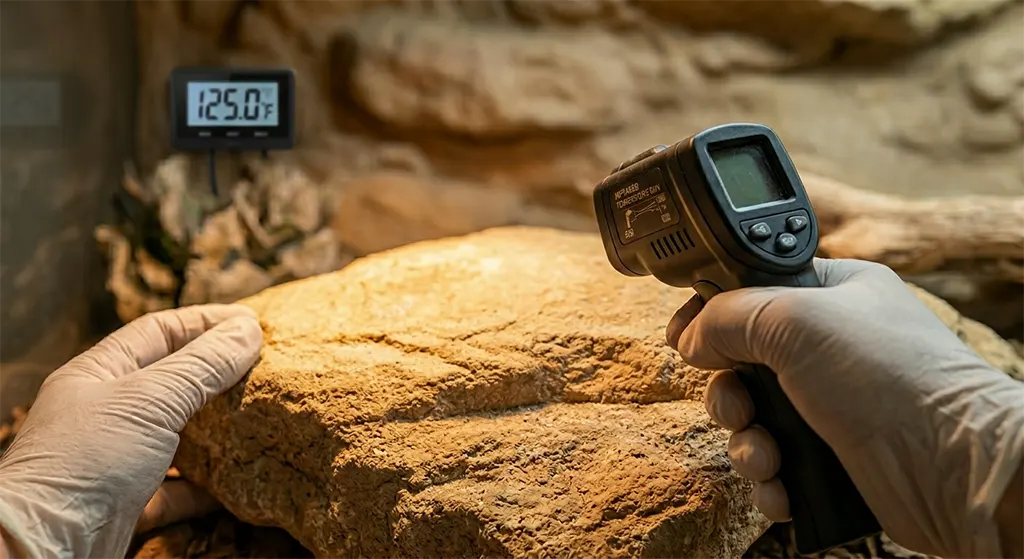
Investing in high-quality infrastructure is non-negotiable for long-term health. To ensure you’ve covered all necessary supplies, use our Reptile Equipment Checklist to generate a custom supply list tailored to your specific setup.
Part 3: Husbandry Lifecycle Audit — The 15-20 Year Projection
For keepers in humid coastal regions, such as parts of Southern California, managing stable, arid-like conditions inside the enclosure may require dehumidification, which can add a 10-15% premium to annual operational budgets.
| Category | Low Estimate | High Estimate | Notes |
| Electricity | $90 | $175 | Varies by region |
| Substrate | $50 | $120 | 2-4 bags annually |
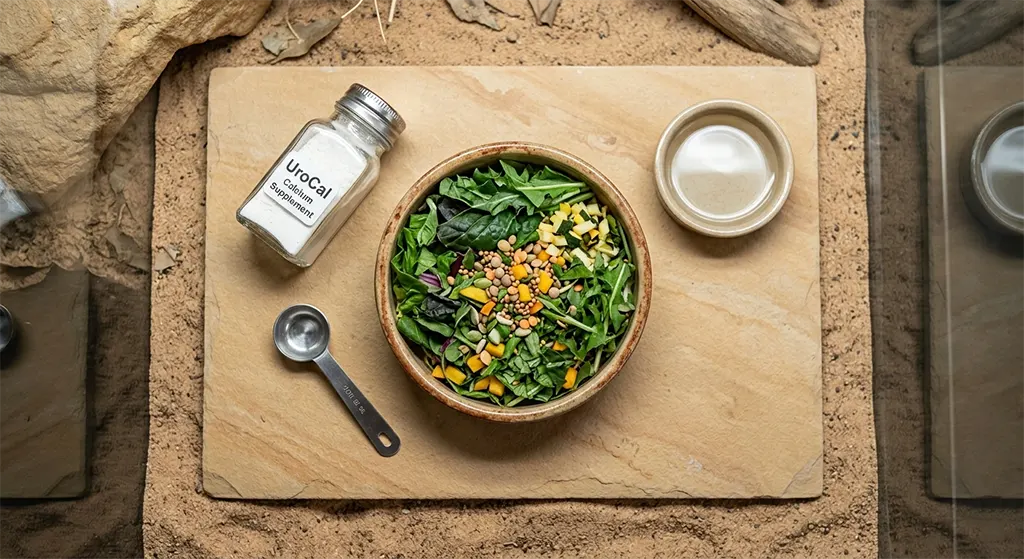
| Quality Supplements | $30 | $75 | Calcium + Multivitamin |
| Diet (Organic Greens) | $75 | $150 | Seasonal variety |
| Annual Wellness Exam | $150 | $250 | Exotic specialist only |
| Fecal Screening | $35 | $75 | Baseline health check |
Realistic annual operational cost: $455-$920
Cumulative Lifecycle Projection (Mid-Range)
- Year 1 (Setup included): $1,800-$2,800
- 5 Years: $4,500-$6,500
- 10 Years: $7,500-$10,500
- 20 Years: $13,500-$18,500
Part 4: FAQ
How much does a Uromastyx cost to acquire?
Captive-bred specimens typically range from $75 to $300, depending on species, age, and breeder reputation. Wild-caught specimens are cheaper upfront but often carry significant hidden health costs.
What is the total lifecycle cost of owning a Uromastyx?
Over a 15-20 year lifespan, total costs typically range from $13,500 to $18,500, encompassing equipment, nutrition, and routine wellness monitoring.
Why are captive-bred Uromastyx worth the investment?
Captive-bred specimens generally show 90-95% first-year survival rates compared to 50-70% for wild-caught animals. Their documented health history and established feeding habits help avoid expensive immediate interventions.
Do Uromastyx require specialized veterinary care?
Yes. Always seek a reptile-specialist vet for wellness exams and health assessments. Regular screenings are essential for long-term health.
The Financially Savvy Keeper’s Takeaway
A low purchase price is often a misleading indicator of total cost. To manage your exotic pet responsibly:
- Prioritize captive-bred specimens from reputable sources.
- Complete habitat infrastructure before acquiring the animal.
- Establish a relationship with a qualified exotic animal veterinarian early.
- Budget for an annual operational cost of $450-$900 to ensure the highest standards of care.
While these financial benchmarks help you plan for a long-term commitment, every individual Uromastyx has unique health needs. If you ever notice changes in your pet’s appetite or behavior, don’t hesitate to reach out to your local reptile-specialist vet for a professional assessment.
This content is for educational purposes only and does not substitute professional veterinary diagnosis or treatment. If you observe any symptoms of illness, injury, or abnormal behavior, please consult a qualified exotic animal veterinarian immediately.
For more details, please review our full Medical Disclaimer.
Pingback: Uromastyx Size and Enclosure Size Guide: How Big Do They Really Get? (5 Costly Mistakes)
Pingback: Bearded Dragon Brumation Signs: Is It Sleeping or Sick?