
Why Two Leopard Geckos Cost 10x Apart
Walk into any reptile expo and you’ll spot the range immediately. A standard captive-bred Leopard gecko might carry a modest price tag, while a specimen three feet away with intricate pattern variations commands a figure that makes new keepers blink twice.
The Leopard gecko (Eublepharis macularius) market demonstrates one of the most dynamic pricing structures in the captive reptile trade. Unlike mammals where breed prices often reflect historical prestige, Leopard gecko values derive almost entirely from genetic composition and physical expression of inherited traits.
This guide demystifies Leopard gecko pricing logic. No fabricated statistics. No invented market figures. Just the actual framework that breeders, wholesalers, and collectors use to determine value.
Part 1: The Genetic Architecture
The Big Three Albino Lines
| Albino Line | Developer | Inheritance | Visual Characteristics |
|---|---|---|---|
| Tremper Albino | Ron Tremper | Co-dominant | Warm-toned; orange/red undertones; light eyes |
| Bell Albino | John Bell | Recessive | Cool-toned; lavender/pink undertones; pink eyes |
| Rainwater Albino | Tim Rainwater | Recessive | Yellow-toned; tan/golden undertones; light pink eyes |
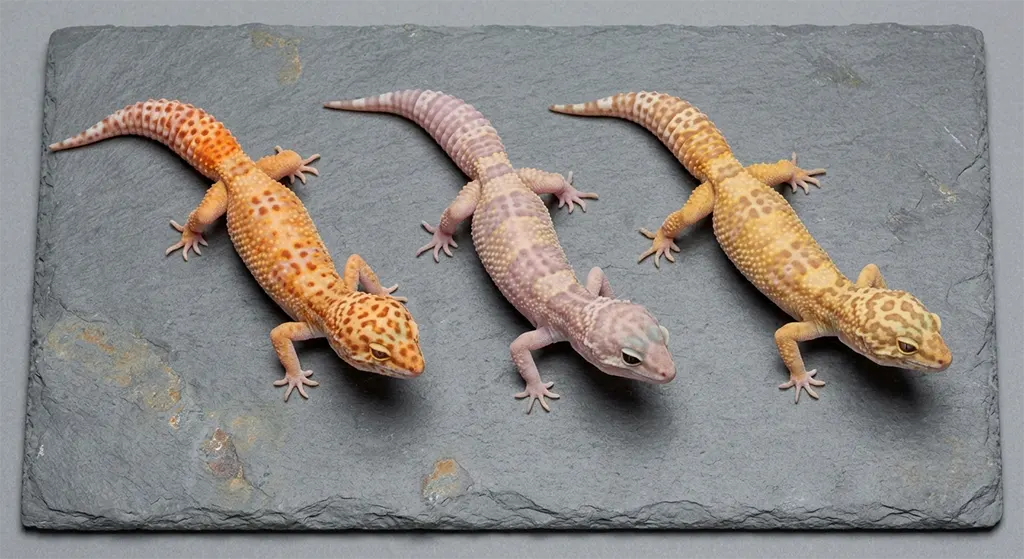
In short, Tremper Albinos remain the most widely available, while Bell and Rainwater lines are sought after for their specific color aesthetics and relative scarcity in the breeding population.
References for morph genetics:
- Geckos Etc. — Industry-standard breeding operation with extensive morph documentation
- The Urban Gecko — Morph genetics explanation and breeding resources
Pattern Morphs
| Trait | Expression |
|---|---|
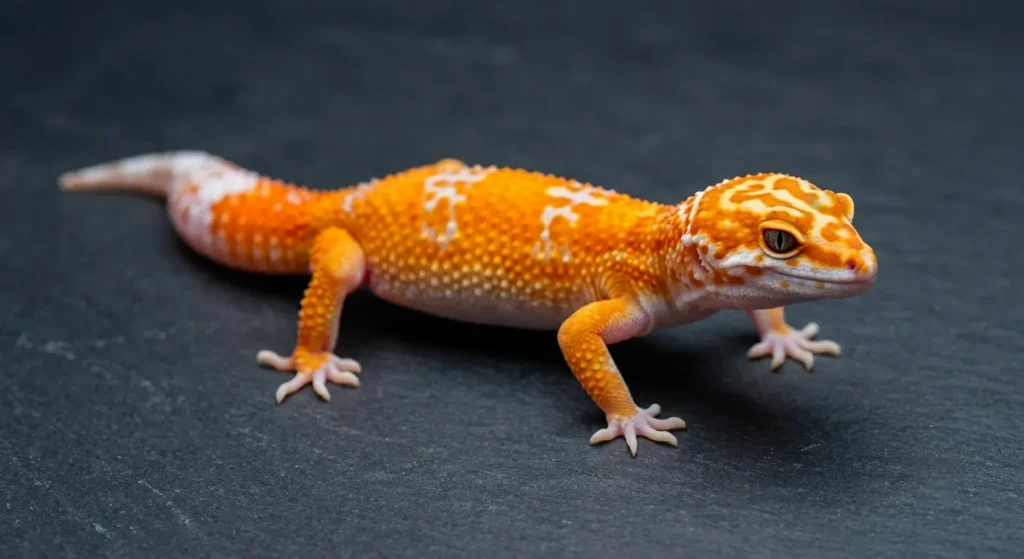
| Mack Snow | Reduces black pigment, brighter coloration |
| Jungle | Irregular, wavy pattern arrangements |
| Stripe | Longitudinal patterns (Army Camo, Patternless, Baldy) |
| Hypomelanistic | Enhanced yellow/orange/red expression |
| Tangerine | Orange color intensification |
| Typhoon | Distinctive spiral pattern combinations |
Why Multi-Gen Morphs Cost More
Each additional genetic trait stacked into a single animal increases both visual appeal and breeding potential. Multi-gene morphs demand more time, space, feeding costs, and expertise to produce correctly.
Part 2: Quality Assessment
Dorsal Pattern Evaluation
| Assessment | Quality Indicator |
|---|---|
| Band Continuity | Unbroken dorsal bands |
| Spot Definition | Clearly defined vs. smudged |
| Pattern Coverage | Complete: head, limbs, tail |
| Tail Pattern | Spotted or banded = premium |
Physical Condition Markers
| Area | Quality | Red Flags |
|---|---|---|
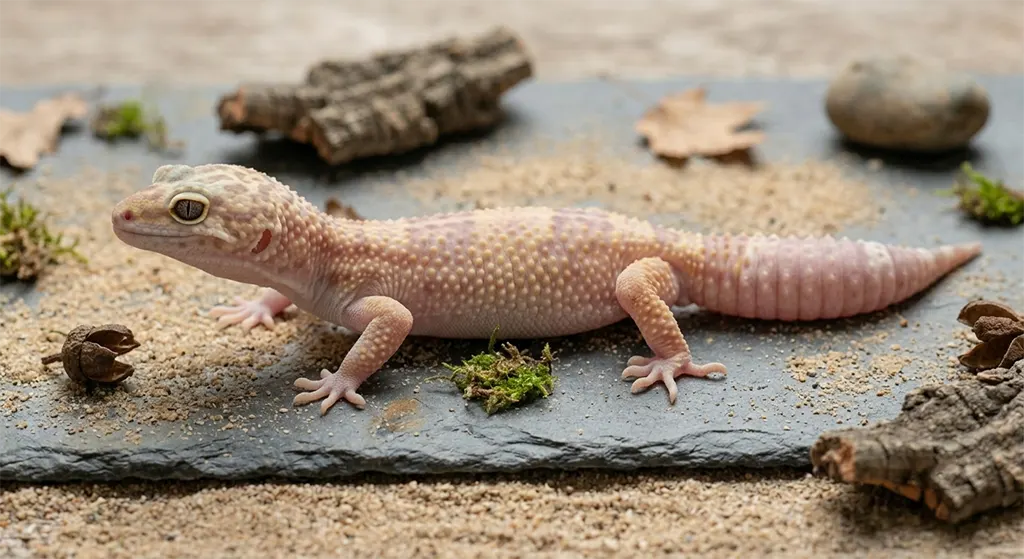
| Tail | Plump, intact | Kinks, regrown, thin |
| Eyes | Clear, symmetric | Cloudiness, asymmetry |
| Body | Visible muscle | Spine protruding or obese |
Ready to house your new gecko? Use our Reptile Environment Checker to ensure your enclosure setup meets the precise thermal and humidity requirements for a healthy specimen.
Part 3: Price Ranges
| Tier | Morph Type | Price |
|---|---|---|
| Entry | Standard captive-bred | $40-$80 |
| Mid | Mack Snow, Tangerine | $80-$250 |
| High-End | Multi-gene combos | $250-$500+ |
| Exhibition | Show-quality, documented | $500+ |
Market prices fluctuate based on regional availability, breeder reputation, and seasonal conditions. Always research current listings from multiple sources.
Part 4: Avoiding Inflated Premiums
| Trap | Protection Strategy |
|---|---|
| Misidentified Genetics | Learn visual ID. Request lineage docs. |
| Feeding for Appearance | Ask feeding schedule. Request unedited photos. |
| Age-Deflated Value | Request parent photos at maturity. |
| Health Issues Masked | Request husbandry docs. Fecal screening. |
| Overpriced “Rarity” | Research morph names independently. |
Part 5: Recommended Purchase Channels
Reputable Breeders (Recommended):
- Verified genetic documentation
- Post-purchase consultation
- Reduced disease transmission risk
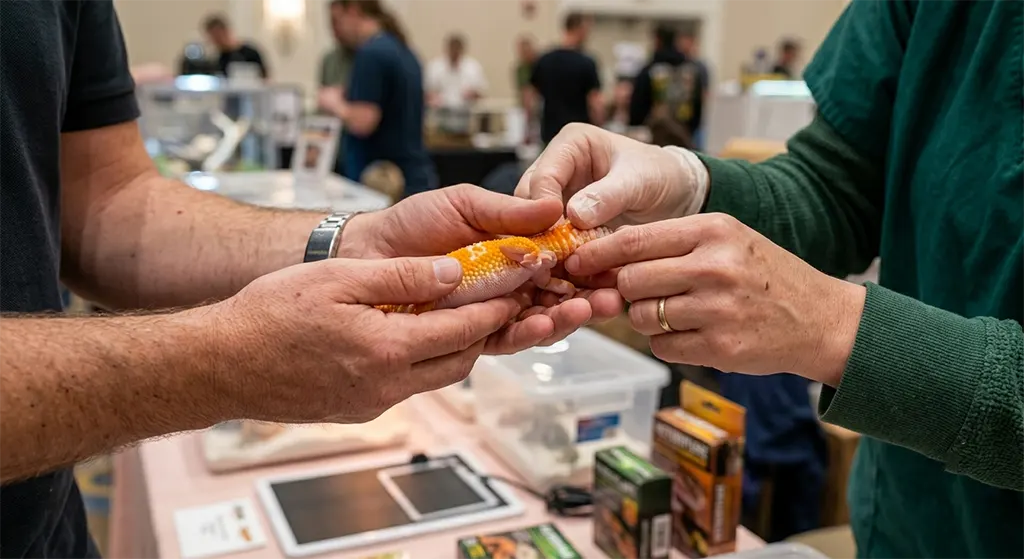
Reptile Expos:
- Physical examination before purchase
- Price comparison across vendors
- Research vendor names before attending
Online Resources:
- Morph databases and forums
- Breeder-maintained lineage websites
Frequently Asked Questions
What determines Leopard gecko price?
Genetic composition, physical quality (pattern, color, condition), and provenance (documented lineage, breeder reputation).
Are albino Leopard geckos more expensive?
Yes. Albinos occupy premium positions. Price varies by line (Tremper, Bell, Rainwater) and combined morphs. While the albino gene is already commercialized in leopard geckos, the first albino crested gecko was only confirmed in recent years — see our guide on the albino crested gecko morph for the scientific breakthrough.
What’s the difference between the three albino lines?
Tremper (warm orange/red), Bell (cool lavender/pink), Rainwater (yellow-tan). Tremper is most common; Bell and Rainwater are sought for their specific aesthetics and relative scarcity.
How do I verify morph genetics?
Request lineage documentation from the seller. Reputable breeders maintain records linking offspring to documented parent animals.
What should I look for when buying?
Physical condition first: complete toe counts, clear eyes, clean vent, appropriate body condition, intact tail. Then assess pattern/color relative to claimed morph.
Do prices vary by region?
Yes. Urban markets with active reptile communities feature more competitive pricing. Rural areas may see elevated prices.
Is it worth buying expensive morphs?
Value depends on your goals. Pet-only buyers find excellent companions at moderate prices. Breeding programs benefit from documented lineage. Exhibition enthusiasts prioritize specific quality markers.
The Informed Buyer’s Framework
Every price difference corresponds to a real difference in genetics, quality, or provenance. Invest time in visual education before financial investment.
A well-chosen Leopard gecko represents a 15-20 year commitment. The upfront research investment pays dividends across the animal’s entire lifespan.
For health concerns, consult a reptile-specialist veterinarian.
This content is for educational purposes only and does not substitute professional veterinary diagnosis or treatment. If you observe any symptoms of illness, injury, or abnormal behavior, please consult a qualified exotic animal veterinarian immediately.
For more details, please review our full Medical Disclaimer.
Pingback: Leopard Gecko Care Costs 2026: The Honest Budget & Hidden Expenses Guide - The Pets Care Hub