

The Chihuahua dog is the world’s smallest dog breed, but it has a personality larger than life. These tiny, alert, and fiercely loyal dogs have captured the hearts of millions worldwide—from celebrity laps to cozy apartment couches. But don’t let their cute, pocket-sized appearance fool you: Chihuahuas come with unique traits, specific care needs, and a few health quirks every potential owner should know. This comprehensive guide covers everything about Chihuahuas: their ancient history, fiery temperament, daily care routine, common health issues, and why they’re one of the most beloved small breeds in America.
Both Chihuahuas and Pomeranians are popular small companion dogs, but their temperaments and care needs differ sharply — see our guide on the Pomeranian dog breed for a full comparison.
A Rich Ancient History: From Mexican Civilizations to Global Stardom
The Chihuahua’s story isn’t just about being a trendy lap dog—it stretches back thousands of years to ancient Mexican cultures. Most historians believe the breed descends from the Techichi, a small, domesticated dog kept by the Toltec civilization as early as the 9th century CE. The Toltecs revered Techichis as companions, and when the Aztecs conquered the Toltecs, they adopted these tiny dogs too. The Aztecs believed Techichis had mystical powers—they thought the dogs could guide human souls into the afterlife, making them sacred creatures in Aztec society.
Fast forward to the mid-1800s: American travelers visiting the Mexican state of Chihuahua (the breed’s namesake) discovered these small, lively dogs and brought them back to the United States. By 1904, the American Kennel Club (AKC) officially recognized the Chihuahua as a breed, and in 1923, the Chihuahua Club of America was formed. The breed’s popularity exploded in the 1990s after the movie Legally Blonde featured a Chihuahua named Bruiser, and today, it consistently ranks in the top 40 most popular AKC breeds (34th in 2022).

Chihuahua dog Temperament: Big Personality in a Tiny Body
Ask any Chihuahua owner, and they’ll tell you: these dogs don’t know they’re small. Their temperament is a delightful mix of boldness, loyalty, playfulness, and sass—with a dash of stubbornness that keeps life interesting. Let’s break down their key personality traits:
1. Fiercely Loyal & Affectionate
Chihuahuas form deep, unbreakable bonds with their owners. They’re classic “velcro dogs”—they’ll follow you from room to room, curl up in your lap while you work, and even wait outside the bathroom door. Many Chihuahuas become “one-person dogs,” showering their favorite human with endless love and attention. They’re also incredibly affectionate: they’ll nuzzle your hand, wag their tiny tails, and give sweet, gentle kisses.
2. Bold, Confident & Fearless
Despite weighing just 3–6 pounds, Chihuahuas act like they’re 100-pound guard dogs. They’re fearless and territorial, never backing down from a challenge—even if that challenge is a much larger dog. This boldness makes them excellent watchdogs: they have sharp hearing and will alert you to every stranger, loud noise, or suspicious squirrel in the yard (though if their instinct to sprint after moving targets turns dangerous near roads, learn how to safely manage your dog’s prey drive). Their signature high-pitched bark is impossible to ignore!
3. Alert, Curious & Playful
Chihuahuas are super intelligent and curious—they’re always exploring their surroundings, sniffing out new smells, and investigating every corner of your home. They have a playful, mischievous side too: they love chasing toys, playing fetch (even with tiny balls), and engaging in silly zoomies around the house before curling up for a well-deserved nap.
4. Wary of Strangers & Can Be Stubborn
Chihuahuas are naturally suspicious of strangers—they won’t warm up to new people right away. This wariness can turn into shyness or even aggression if they’re not socialized early. They also have a stubborn streak: they’re smart, but they like to do things their way. Training requires patience, consistency, and lots of positive reinforcement (treats work wonders!).
Are Chihuahuas Good Family Dogs?
This is one of the most common questions about the breed. The short answer: yes, but with caveats. Chihuahuas thrive in families with older kids (8+) or adults who know how to handle small dogs gently. They’re fragile—rough play, accidental falls, or being squeezed by toddlers can cause serious injuries. They also don’t do well with loud, chaotic households or large, boisterous dogs who might hurt them. For seniors, singles, or couples without young kids, Chihuahuas make perfect, loving companions.
Chihuahua Types: Smooth-Coat vs. Long-Coat (And More!)
When you think of a Chihuahua, you probably picture a tiny dog with big ears and a round “apple head.” But did you know there are two official AKC varieties—and a few unofficial types loved by fans? Let’s explore:
1. Smooth-Coat Chihuahua (Short-Haired)
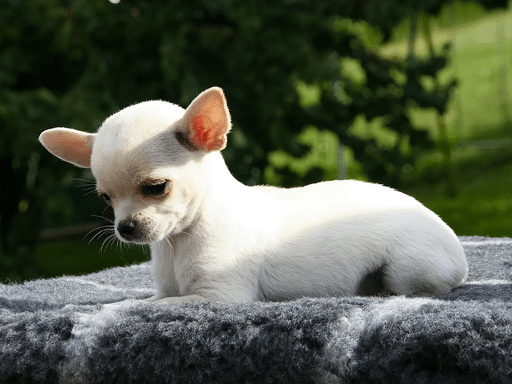
The most common type! Smooth-coat Chihuahuas have a short, glossy, easy-to-maintain coat that lies close to their body. They come in every color imaginable: fawn, black, white, cream, chocolate, blue, and even multi-colored (like brindle or piebald). Grooming is a breeze: a quick weekly brush to remove loose hair is all they need.
2. Long-Coat Chihuahua
These fluffy cuties have a soft, silky, medium-length coat with feathering on their ears, legs, chest, and tail. Their coats are also multi-colored, and they look extra adorable with their fluffy manes. Long-coat Chihuahuas need a bit more grooming: brush them 2–3 times a week to prevent mats and tangles, and trim their fur around the paws and ears occasionally.

Unofficial “Types” (Loved by Chihuahua Fans)
- Apple-Headed Chihuahua: The classic look! Round, apple-shaped skull, short muzzle, and big, round eyes. This is the most popular type in America.
- Deer-Headed Chihuahua: Slenderer head, longer muzzle, and larger, more spaced-out eyes. They’re less common but have a loyal fanbase.
- Teacup Chihuahua: Not an official AKC variety! “Teacup” refers to extra-tiny Chihuahuas weighing under 3 pounds. While they’re adorable, they’re more prone to health issues (like hypoglycemia) and require extra care.
Chihuahua Care Guide: Daily Routine for a Happy, Healthy Pup
Chihuahuas are often seen as “low-maintenance” because of their size, but they have specific care needs you can’t ignore. From exercise to grooming, nutrition to training, here’s everything you need to know:
Exercise: Small Bites of Activity
Chihuahuas have moderate energy levels—they don’t need hours of exercise, but they do need daily activity to stay healthy and happy. Aim for:
- 2–3 short walks (15–20 minutes each) daily (on a harness, never a collar—collars can hurt their delicate necks).
- Indoor playtime: Chase toys, play fetch, or set up a small obstacle course.
- Mental stimulation: Puzzle toys, treat-dispensing games, or basic training sessions (they love learning new tricks!).
Pro tip: Avoid dog parks! Large dogs can accidentally injure your Chihuahua, and they’re prone to picking fights they can’t win.
Grooming: Easy Peasy (For Most!)
Grooming needs depend on your Chihuahua’s coat type:
- Smooth-Coat: Weekly brush with a soft bristle brush; bathe every 4–6 weeks (use mild dog shampoo). Trim nails every 2–3 weeks, clean ears weekly, and brush teeth daily (critical for dental health!).
- Long-Coat: Brush 2–3 times a week with a slicker brush to prevent mats; bathe every 4–6 weeks; trim fur around paws, ears, and tail monthly. Nail, ear, and dental care same as smooth-coat.
Nutrition: Tiny Tummies Need Special Food
Chihuahuas have fast metabolisms and tiny stomachs—they need high-quality, nutrient-dense food in small portions. Follow these rules:
- Feed small, frequent meals (3–4 times daily for adults, 4–5 for puppies) to prevent hypoglycemia (dangerously low blood sugar).
- Choose small-breed-specific kibble (tiny bites, high protein, low fat). Avoid cheap fillers like corn or soy.
- Portion control is key! Overfeeding leads to obesity, which worsens health issues like joint pain and heart disease.
- Fresh water 24/7—keep a small, shallow bowl accessible at all times.
Pro tip: For hypoglycemia emergencies, keep a small jar of honey on hand—give ½ teaspoon to boost blood sugar quickly.
Training: Patience, Consistency & Treats
Chihuahuas are smart but stubborn—training takes patience and positive reinforcement. Start early (8–12 weeks old) with these basics:
- Socialization: Expose your Chihuahua to new people, places, sounds, and other gentle dogs early. This reduces fearfulness and aggression later.
- Potty Training: Use puppy pads or take them outside frequently (after meals, naps, playtime). Reward with treats and praise when they go in the right spot.
- Basic Commands: Teach “sit,” “stay,” “come,” and “leave it.” Use small, soft treats (they have tiny mouths!) and lots of enthusiastic praise.
- Behavioral Training: Discourage excessive barking, jumping, or nipping early. Never yell or punish—this makes them fearful.
Chihuahua Health Problems: What Every Owner Should Know
Like all purebred dogs, Chihuahuas are prone to certain genetic health issues—most related to their tiny size and unique body structure (much like the hidden health risks in French Bulldogs and other popular companion breeds). The good news: with regular vet checkups and proper care, many of these issues can be managed or prevented. Here are the most common Chihuahua health problems:
1. Dental Disease (Most Common!)
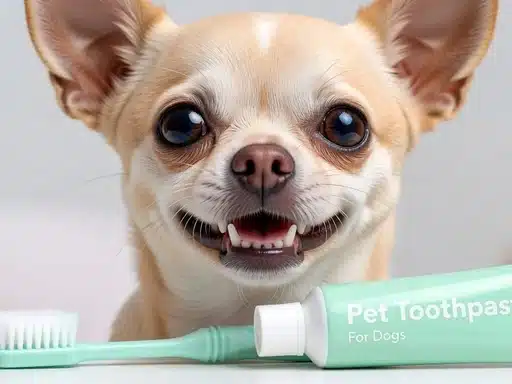
Over 80% of Chihuahuas have dental disease by age 3. Their tiny jaws crowd teeth together, creating pockets for bacteria to grow. Signs include bad breath, yellow/brown tartar, swollen gums, or loose teeth. Prevention: Brush teeth daily, give dental chews, and get annual vet cleanings.
2. Luxating Patella (Kneecap Dislocation)
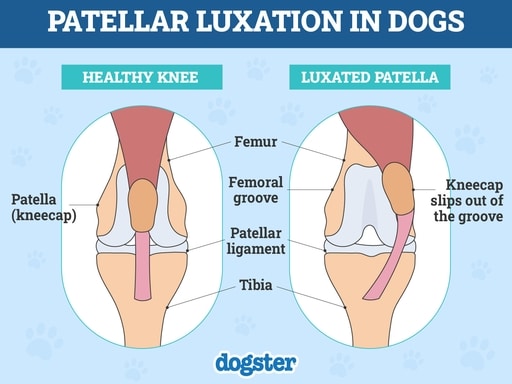
Affects 15–30% of Chihuahuas. The kneecap slips out of place, causing limping, skipping, or pain. It’s genetic, but obesity and excessive jumping worsen it. Prevention: Keep weight healthy, avoid high jumps, and surgery if severe.
3. Tracheal Collapse
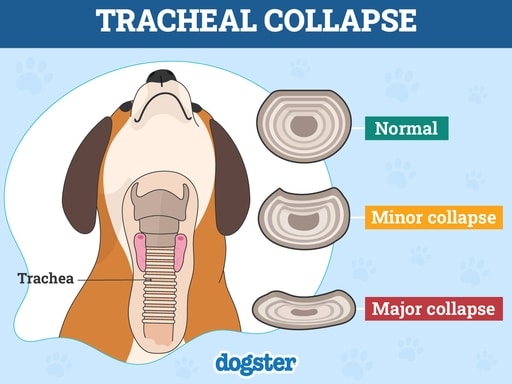
The cartilage rings in the windpipe weaken and flatten, causing a honking cough, difficulty breathing, or fainting. Common in middle-aged Chihuahuas, worsened by collars, obesity, or excitement. Prevention: Use a harness, keep weight down, and avoid stress.
4. Hypoglycemia (Low Blood Sugar)
Life-threatening for puppies and small adults (under 5 lbs). Fast metabolism + small glucose reserves = sudden drops. Signs: lethargy, tremors, seizures, or collapse. Prevention: Small frequent meals, honey for emergencies, and avoid skipping meals.
5. Heart Disease
Affects ~10% of Chihuahuas. Mitral valve disease (leaky heart valve) is most common, causing coughing, fatigue, or fainting. Prevention: Regular vet heart checks, healthy diet, and early medication if needed.
6. Hydrocephalus (Water on the Brain)
A genetic condition where fluid builds up in the skull, common in apple-headed Chihuahuas. Signs: enlarged head, seizures, poor coordination, or blindness. Prevention: No cure, but early diagnosis helps manage symptoms.
7. Eye Problems
Chihuahuas have large, protruding eyes prone to tear staining, dry eye, entropion (inward eyelid), or injury. Clean tear stains daily, avoid rough play, and get vet checks for persistent issues.
Chihuahua Pros & Cons: The Good, The Bad, The Adorable
Let’s sum up the best and worst parts of owning a Chihuahua—so you can decide if this breed is right for you:
✅ Pros (Why People Love Chihuahuas)
- Perfect for Apartments: Tiny size = no space needed. They thrive in small homes, condos, or city living.
- Low Exercise Needs: Great for busy people, seniors, or those with limited mobility.
- Loyal & Affectionate: The ultimate cuddle buddy—they’ll love you unconditionally.
- Easy Grooming (Smooth-Coat): Minimal brushing, no fancy haircuts needed.
- Excellent Watchdogs: Alert and vocal—they’ll warn you of any danger.
- Long Lifespan: 12–20 years—plenty of time to love your pup.
❌ Cons (The Not-So-Good Parts)
- Fragile & Easily Injured: Tiny bones = risk of fractures from falls, rough play, or being stepped on.
- Excessive Barking: They love to bark—can be a problem in apartments or with neighbors.
- Stubborn & Hard to Train: Smart but willful—requires patience and consistency.
- Prone to Health Issues: Dental, joint, heart, and blood sugar problems are common.
- Not Great with Young Kids or Large Dogs: Risk of injury or aggression.
- Separation Anxiety: They bond so closely they hate being alone—can lead to destructive behavior.
Are Chihuahuas Popular? Why America Can’t Get Enough
Chihuahuas have been a staple in American pop culture for decades—and their popularity isn’t fading. Here’s why they’re one of the most beloved small breeds in the US:
- Celebrity Endorsement: Stars like Paris Hilton, Reese Witherspoon, and Britney Spears have Chihuahuas, making them trendy accessories.
- Apartment-Friendly: As more Americans move to cities and small homes, Chihuahuas are the perfect fit.
- Big Personality: People love their sassy, fearless attitude—they’re never boring!
- Long Lifespan: 12–20 years means years of companionship.
- Portable: Easy to carry in a purse or bag—perfect for on-the-go owners.
The most popular Chihuahua type in America is the apple-headed smooth-coat—especially in fawn, black, or white colors.
Final Thoughts: Is a Chihuahua Right for You?
Chihuahuas are incredible, one-of-a-kind dogs—but they’re not for everyone. If you’re looking for a low-maintenance, cuddly companion who thrives in apartments, loves to be with you 24/7, and has a personality that keeps you laughing, a Chihuahua might be your perfect match.
But if you have young kids, large dogs, a chaotic household, or no time for training and dental care, think twice. Chihuahuas need patience, consistency, and lots of love—but in return, they’ll give you a lifetime of loyalty, affection, and endless joy.
If you’re ready to welcome a Chihuahua into your life, adopt don’t shop! There are thousands of Chihuahuas in shelters and rescue groups across America waiting for their forever homes. Or, if you choose a breeder, pick a reputable one who health-tests their dogs and raises puppies in a loving home.
If you love tiny companion dogs, you can also check our guides for small breed Senior Pet Care for aging pets.
This content is for educational purposes only and does not substitute professional veterinary diagnosis or treatment. If you observe any symptoms of illness, injury, or abnormal behavior, please consult a qualified exotic animal veterinarian immediately.
For more details, please review our full Medical Disclaimer.