

If you’ve ever spotted a Pomeranian Dog—that tiny, fluffy canine with a fox-like face, a plumed tail curled over its back, and the confidence of a much larger breed—you know exactly how captivating they can be. These pint-sized pups consistently rank among the most popular dog breeds in America—and for good reason. They’re adorable, intelligent, and packed with personality.
But behind their cute appearance lies a complex breed with a rich history, specific care needs, and a few common misconceptions. This comprehensive guide covers everything you need to know about Pomeranians: their fascinating origin story, bold temperament, daily habits, care difficulty, popular types, key pros and cons, and the most common health issues owners face. Whether you’re considering adding a Pom to your family or you’re already a proud parent, this article will give you actionable insights to keep your pup happy and healthy.
A Brief History: From Large Working Dog to Royal Lapdog
The Pomeranian’s story begins not as a tiny lapdog, but as a hardy working spitz breed in the Pomerania region (modern-day Germany and Poland). Their ancestors were large, sled-pulling dogs similar to the Samoyed and Husky, weighing up to 30 pounds. These dogs herded sheep, pulled carts, and guarded homes—far from the pampered companions we know today.
The breed’s transformation to its current toy size started in the 19th century, thanks to Queen Victoria of England. A lifelong dog lover, Queen Victoria fell in love with a small red Pomeranian named “Winza Marco” during a trip to Italy. She began breeding Poms for smaller size, reducing their weight from 30 pounds to just 3–7 pounds. Her obsession made the breed a favorite among European nobility, and by 1888, the American Kennel Club (AKC) recognized the Pomeranian as an official breed.
Today’s Pomeranians still carry the bold, independent spirit of their working ancestors—just in a tiny, fluffy package.
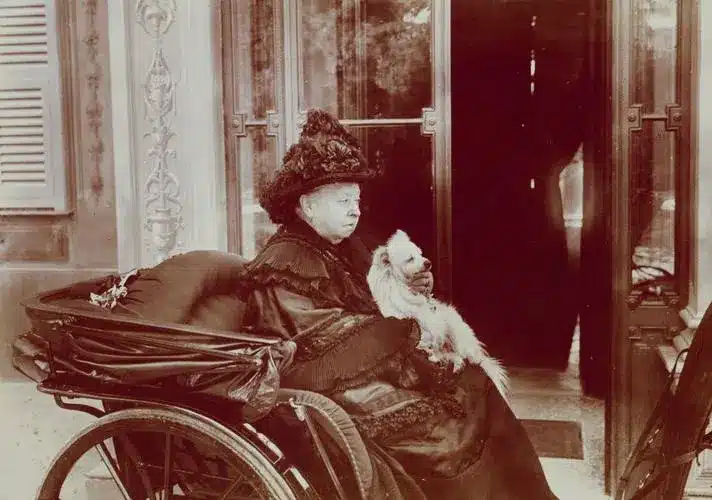
Pomeranian Dog Temperament: Big Attitude in a Tiny Body
Pomeranians have a temperament best described as bold, alert, affectionate, and sassy. Despite their small size, they act like they’re 10 feet tall and bulletproof. Here’s a breakdown of their key personality traits:
- Loyal & Affectionate: Poms form intense bonds with their owners and crave constant attention. They’ll follow you from room to room, curl up on your lap, and greet you with excited barks when you come home. They thrive on human interaction and hate being left alone for long periods.
- Alert & Protective: Natural watchdogs, Poms are highly alert and will bark at strangers, unfamiliar noises, or even squirrels outside the window. This vigilance makes them excellent alarm dogs, though excessive barking can be a problem if not trained.
- Intelligent & Curious: Ranked among the top 30 most intelligent dog breeds, Pomeranians are quick learners and love mental stimulation. They’re curious by nature and enjoy exploring their surroundings, solving puzzle toys, and learning new tricks.
- Independent & Stubborn: While smart, Poms have a stubborn streak inherited from their spitz ancestors. They can be willful and may ignore commands if they don’t see the point. Consistent, positive reinforcement training is a must.
- Playful & Energetic: Don’t let their small size fool you—Poms are energetic and playful. They love fetch, tug-of-war, and interactive play sessions. They’re great with older kids (gentle ones!) and other small pets if socialized early.
Common misconception: Poms are “yippy” or aggressive. In reality, excessive barking usually stems from boredom, anxiety, or lack of training. Proper socialization and training can curb this behavior.

Habits & Daily Life: What to Expect From Your Pom
Understanding a Pomeranian’s natural habits is key to creating a happy home. Here’s what daily life with a Pom looks like:
- Sleeping Habits: Poms sleep 12–14 hours a day, split between naps and nighttime sleep. They love soft, warm spots—your bed, couch, or a cozy dog bed. They’re light sleepers and will wake up at the slightest noise.
- Eating Habits: Poms have small stomachs and are prone to obesity if overfed. They prefer frequent, small meals (2–3 times a day) of high-quality, low-calorie dog food. Avoid table scraps and too many treats—they can cause digestive issues and weight gain.
- Grooming Habits: Poms are clean dogs that groom themselves like cats. They shed year-round, with heavier seasonal sheds in spring and fall. Regular brushing is non-negotiable to prevent mats and tangles.
- Exercise Needs: Moderate energy levels—Poms need 30–60 minutes of daily exercise. This can be a short walk around the block, playtime in the backyard, or indoor games. They’re sensitive to extreme heat (overheating risk) and cold (though their coat helps), so avoid long walks in harsh weather.
- Social Habits: Poms thrive on companionship and hate being alone. They’re social with other dogs if socialized early, but may be territorial with unfamiliar dogs. They’re best suited for homes where someone is around most of the day.
Care & Difficulty Level: Are Pomeranians Hard to Care For?
Pomeranians are moderate-difficulty dogs—easy enough for first-time owners with dedication, but not “low-maintenance.” The biggest challenges are grooming, training consistency, and health monitoring. Here’s a breakdown of care requirements:
1. Grooming (High Maintenance)
Poms have a thick double coat (soft undercoat, long, harsh outer coat) that requires regular care:
- Brushing: Brush 2–3 times a week (daily during shedding season) with a pin brush and metal comb to prevent mats. (If you live in an arid region, proper dry climate double coat grooming is vital to prevent static damage and severe friction knotting.) Mats can form quickly behind the ears, under the armpits, and on the tail.
- Bathing: Bathe every 4–6 weeks with a gentle dog shampoo. Over-bathing strips the coat of natural oils.
- Trimming: Trim nails every 3–4 weeks, clean ears weekly, and brush teeth daily (dental disease is common in small breeds).
- Coat Care: Some owners opt for a “puppy cut” (short trim) to reduce grooming time, though this isn’t required.
2. Training (Moderate)
Poms are intelligent but stubborn—consistent, positive reinforcement training works best. Start training early (8–12 weeks old) with basic commands (sit, stay, come) and socialization (expose to new people, dogs, and environments).
Common training challenges include excessive barking, separation anxiety, and stubbornness. Poms can also develop sudden outdoor reactivity toward moving vehicles; learning how to stop a dog from chasing cars safely will keep your high-energy pup secure on walks. Crate training can help with potty training and anxiety.
3. Feeding (Easy)
Feed high-quality, small-breed dog food (dry or wet) tailored to their age (puppy, adult, senior). Puppies (8–12 weeks): 4 small meals a day; adults (1–7 years): 2 meals a day; seniors (8+ years): 2 meals a day with reduced calories. Avoid overfeeding—obesity leads to joint issues and heart disease.
4. Health Monitoring (Moderate)
Poms are generally healthy (lifespan: 12–16 years), but prone to genetic health issues (see below). Annual vet checkups, vaccinations, and dental cleanings are a must. Monitor for signs of common issues like coughing (tracheal collapse), limping (patella luxation), or lethargy.
Difficulty Verdict: Poms are manageable for first-time owners willing to commit to grooming and training. They’re not ideal for extremely busy people who can’t spend time with their dog.
Pomeranian Types & Popular Colors
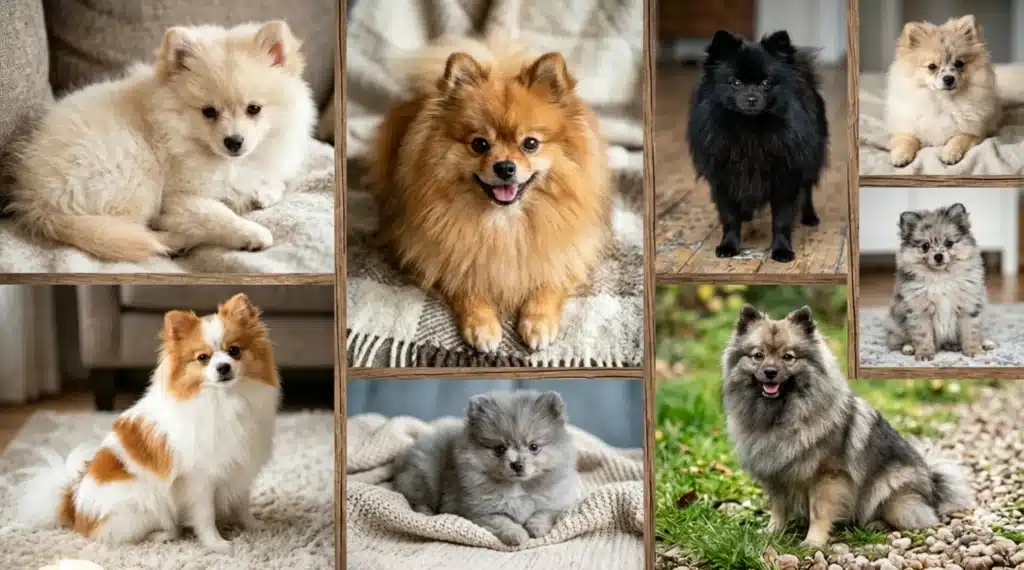
While allPomeranians are the same breed, they come in two main body types and dozens of coat colors. No “mini” or “teacup” Poms are recognized by the AKC—these are just extra-small individuals from standard litters.
Main Body Types
- Fox-Faced Pomeranian: The traditional AKC standard look with a more extended muzzle, alert fox-like expressions, and almond-shaped eyes.
- Teddy Bear / Doll-Faced Pomeranian: A highly popular unofficial variation featuring a shorter muzzle, rounder head, and distinctively plush, compact coat density.
Most Popular Colors
Poms come in over 25 recognized colors. The most sought-after include:
- Orange: The classic Pomeranian color (light cream to deep rust). Made famous by Queen Victoria—timeless and popular.
- White: Pure white, fluffy coat with black nose and eyes. Elegant and eye-catching.
- Black: Solid jet-black coat with black points. Sleek and striking.
- Red: Deep, rich red (darker than orange). Rare and highly prized.
- Sable: Multi-colored coat (orange/red base with black-tipped hairs). Unique and popular.
- Blue: Diluted black (silver-gray) with blue points. Rare and beautiful.
Myth Busting: “Teacup Poms” are not a separate breed—they’re runts of standard litters and often have more health issues. Stick to AKC-standard Poms from reputable breeders.
Pros & Cons: The Good, the Bad, and the Fluffy
Before getting a Pomeranian, weigh the key pros and cons to ensure they’re the right fit for your lifestyle.
Pros (Why People Love Poms)
- Adorable Appearance: Fluffy coat, fox face, plumed tail—they’re undeniably cute and turn heads everywhere they go.
- Compact Size: Perfect for apartments, small homes, or travel. They fit in a carrier and don’t need much space.
- Loving & Loyal: Devoted to their owners, great companions, and excellent lap dogs. They form strong bonds with families.
- Intelligent & Trainable: Quick learners, love tricks, and excel in obedience and agility (for small dogs).
- Long Lifespan: 12–16 years—plenty of time to build a lifelong bond.
- Low Exercise Needs: Great for busy people or those with limited mobility. Short walks and playtime suffice.
Cons (The Not-So-Fun Parts)
- High Grooming Needs: Brushing, trimming, and shedding—expect lots of fur around the house. Mats can be painful if left untreated.
- Excessive Barking: Alert and vocal—they’ll bark at everything. Training is needed to control this.
- Fragile Health: Prone to genetic issues (see below) and easily injured (fractures from falls, rough play).
- Separation Anxiety: Hate being alone—can become destructive or bark excessively if left for long periods.
- Stubbornness: Independent streak—may ignore commands if they don’t feel like listening.
- Not Great With Young Kids: Tiny size makes them vulnerable to rough handling. They’re better with older, gentle kids.
Common Health Issues: What Owners Need to Watch For
Pomeranians are prone to several genetic health issues. Knowing the signs can help you catch problems early and keep your pup healthy.
- Tracheal Collapse:
- A common genetic issue where the trachea (windpipe) weakens and collapses. Symptoms: honking cough (like a goose), difficulty breathing, especially when excited or pulling on a collar. Management: Use a harness instead of a collar, avoid excessive excitement, medication for severe cases.
- Patella Luxation:
- Kneecap slips out of place. Symptoms: limping, skipping, or holding a leg up. Common in small breeds—can be mild or severe. Management: Mild cases need no treatment; severe cases require surgery.
- Dental Disease:
- Small mouths = crowded teeth. Symptoms: bad breath, yellowed teeth, gum disease. Prevention: Daily brushing, dental chews, annual cleanings.
- Heart Disease:
- Mitral valve disease (common in small breeds) and heart murmurs. Symptoms: coughing (especially at night), lethargy, difficulty breathing. Prevention: Regular vet checkups, low-sodium diet, avoid excessive exercise.
- Hair Loss Syndrome (Alopecia X):
- Severe hair loss, often on the back and tail. Symptoms: bald patches, dark skin. Management: Special shampoos, supplements, or medication.
- Hypoglycemia:
- Low blood sugar, common in puppies. Symptoms: lethargy, trembling, seizures. Prevention: Frequent meals, avoid skipping meals.
Pro Tip: Buy from a reputable breeder who screens for genetic health issues. Avoid puppy mills or backyard breeders—they often produce unhealthy puppies.
Final Thoughts: Is a Pomeranian Right For You?
Pomeranians are incredible companions—loving, loyal, intelligent, and full of personality. They’re perfect for apartment dwellers, seniors, or families with older kids who want a small, fluffy dog with a big heart.
But they’re not for everyone. If you hate grooming, can’t handle barking, or are away from home for long periods, a Pom may not be the best fit. However, if you’re willing to commit to regular grooming, consistent training, and lots of love, a Pomeranian will reward you with years of joy and companionship.
At the end of the day, Poms are more than just cute fluffy dogs—they’re family. And for the right person, there’s no better breed.
If you are a new pet parent, you can check our beginner-friendly senior pet care guide to build a long-term healthy living routine for your fluffy companion. We also share practical pet raising tips for busy animal lovers in our pet breed collection guide.
This content is for educational purposes only and does not substitute professional veterinary diagnosis or treatment. If you observe any symptoms of illness, injury, or abnormal behavior, please consult a qualified exotic animal veterinarian immediately.
For more details, please review our full Medical Disclaimer.
Pingback: Chihuahua Dog Breed Guide: History, Temperament, Care & Health
Pingback: French Bulldog Health Risks: 7 Hidden Dangers Every Owner Must Know
Pingback: Pomchi Care Arizona Extreme Heat Summer Tips 2026: 6 Life-Saving Tricks