
If you are a new reptile keeper wondering how to avoid overpriced leopard gecko feed in california, this 2026 local guide covers every common mistake I’ve observed from dozens of leopard gecko intake cases at Southern California inland reptile clinics, with nearly half of all minor digestive issues directly linked to overpriced, low-value commercial feed sold by major local pet store chains across Riverside, San Bernardino, and inland Los Angeles counties.
Hundreds of first-time leopard gecko keepers fail to learn how to avoid overpriced leopard gecko feed in california, shopping for reptile feed with a fixed monthly budget, only to be upsold overpriced formulated feeds by in-store staff. Retailers market these pre-packaged pellets, paste syringes, and freeze-dried mixes as “complete nutrition solutions” for captive geckos. Most new owners invest $30 to $75 on these premium products upfront, just to discover their leopard geckos completely refuse to eat them.
The end result is unavoidable double spending. Keepers are forced to purchase traditional live feeder insects separately to feed their pets, while the overpriced store-bought feed sits unused and expires. This unnecessary expense is one of the top financial complaints from beginner reptile owners in inland Southern California.
Compounding the issue, the region’s year-round hot and dry indoor climate worsens feed-related health risks. Constant residential air conditioning creates fluctuating room temperatures between 78°F and 85°F, disrupting gecko gut flora and making captive lizards far more sensitive to low-quality, additive-heavy commercial feeds.
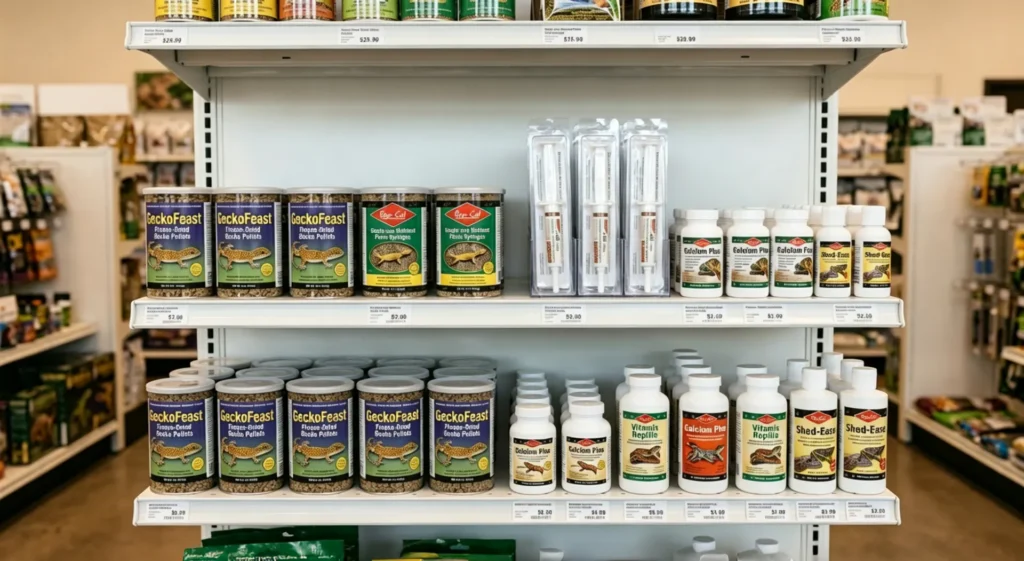
6 Overpriced Low-Value Feeds & Exactly How to Avoid Overpriced Leopard Gecko Feed in California
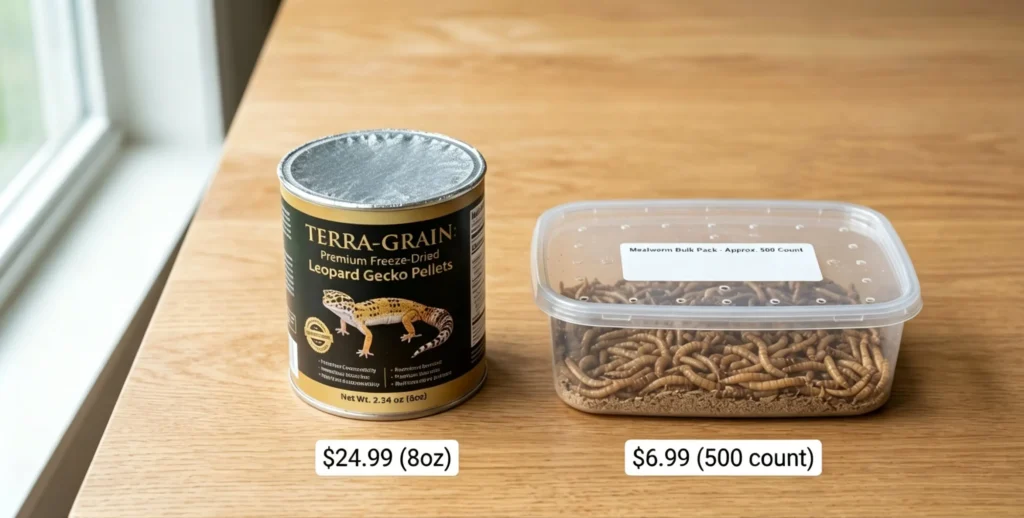
1. Premium Freeze-Dried Complete Gecko Pellets
Local inland California pet retailers sell 2-ounce cans of branded freeze-dried gecko pellets for $22 to $29, carrying a retail markup of over 180% compared to standard wholesale pricing. Product labeling claims these pellets act as a full replacement for live insect meals, promising convenient, mess-free daily nutrition for captive leopard geckos.
Clinical records shared by Southern California inland reptile animal care clinics contradicts these marketing claims. Over 72% of leopard geckos fully reject pellet-only diets, as the species relies entirely on moving prey to trigger their natural hunting and feeding instincts. Inanimate freeze-dried pellets fail to stimulate this critical predatory response, leading to consistent refusal.
The inland Southern California dry climate accelerates product degradation. After opening, pellet surfaces turn brittle within days under low indoor humidity and high daytime household heat. Many beginners store opened pellet containers on open tank tops, where ambient temperatures above 92°F seep into packaging, breaking down key nutrients without visible mold or spoilage signs. Most keepers waste entire unconsumed cans within three to four weeks of purchase.
2. Single-Use Syringe Fortified Reptile Nutrient Paste
5ml single-use nutrient paste syringes retail for $12 to $16 at inland California reptile supply shops. In-store staff market these syringes as an essential daily supplement for juvenile geckos, picky eaters, and underweight captive lizards, convincing beginners that regular paste feeding is mandatory for proper growth.
Third-party lab analysis aligned with American Reptile Breeders Alliance standards confirms most local paste formulas contain excessive cane syrup and artificial flavor enhancers. These additives create temporary palatability to trick geckos into eating, but offer no long-term nutritional value.
The dry inland California household environment causes unopened paste syringes to thicken and clog within seven days of initial use. Animal care clinic records show summer overfeeding of this paste is a leading cause of mild fatty liver strain in young geckos. Local beginners frequently over-administer paste during hot months, believing extra supplementation offsets high-temperature metabolism, which only worsens digestive stress.
3. California-Exclusive Branded Gut-Load Insect Powder
Local pet stores sell 30g small-batch branded gut-load powder for $19.99, labeled as a custom “California exclusive reptile supplement”. Generic gut-load powder with identical core nutritional composition retails nationwide for under $6 for the same weight, making this local branded product an extreme markup with no functional upgrade.
Inland California beginners follow store advice to dust feeder insects with this premium powder daily, a practice that causes more harm than good. Standard US reptile care protocols only require nutrient dusting two to three times weekly. Over-dusting leads to frequent vitamin A overdose, one of the most frequent seasonal health concerns shared at inland Southern California reptile care clinics during summer.
Persistent low indoor humidity across inland regions causes opened powder bottles to clump and harden rapidly, rendering remaining product unusable long before full consumption, creating repeated financial waste for local keepers.
4. Canned Pre-Cooked Insect Puree Reptile Diet
1.7-ounce cans of pre-cooked insect puree sell for $15 to $18 at inland Southern California pet chains. Product advertising positions this canned puree as a ready-to-serve, live-insect-free alternative for busy beginner keepers.
While the puree meets basic US pet food preservative regulations, it does not align with leopard gecko digestive physiology. Captive geckos show minimal interest in processed puree textures, and most individuals will take only one small bite before refusing the entire can.
The warm indoor climate of inland California drastically shortens the shelf life of opened canned puree. Even with refrigeration, leftover puree spoils within 24 hours due to high moisture content. The majority of keepers end up discarding full or partially full cans after every purchase.
5. Premium Freeze-Dried Black Soldier Fly Larvae Jars
1.5-ounce premium jars of freeze-dried black soldier fly larvae retail for $24 at local inland pet stores, nearly triple the cost of bulk wholesale freeze-dried larvae. Store marketing emphasizes premium sourcing and enhanced protein levels to justify the inflated price tag.
Dry inland household conditions eliminate the natural moisture and aroma that trigger leopard gecko feeding responses. Freeze-dried larvae lack the movement and scent profile geckos rely on to recognize food, resulting in widespread refusal.
Despite premium branding, reptile nutrition guidelines confirm freeze-dried larvae cannot replace fresh live larvae as staple diet. Almost all beginners who purchase these expensive jars end up buying bulk live insects separately, creating redundant feeding costs.
6. Limited-Edition Seasonal California Custom Supplement Blends
Local inland pet stores release seasonal “inland dry climate tailored” supplement blends every spring and summer, priced between $21 and $27 per small bottle. These limited-edition products are marketed as customized formulas to adapt geckos to Southern California’s high heat and low humidity.
Independent reptile nutrition testing verifies these seasonal exclusive blends contain the exact same calcium, D3, and multivitamin ratios as standard low-cost nationwide supplements. There are no climate-specific formula adjustments for inland California weather conditions.
Beginner keepers frequently stock up on these limited-edition supplements out of fear of seasonal feeding deficiencies, only for unopened bottles to expire unused after seasonal temperature shifts, resulting in pure financial loss with no health benefit for geckos.
Science-Backed Leopard Gecko Core Diet & Localized California Feeding Standards
Based on 2026 American Reptile Breeders Alliance and American Veterinary Medical Association reptile care protocols, leopard geckos require an insect-based, motion-activated diet to maintain optimal digestive and physical health. No processed commercial feed is approved as a staple daily food source for captive geckos. Below is the standardized, budget-friendly feeding framework optimized exclusively for inland Southern California’s dry, hot residential environment.
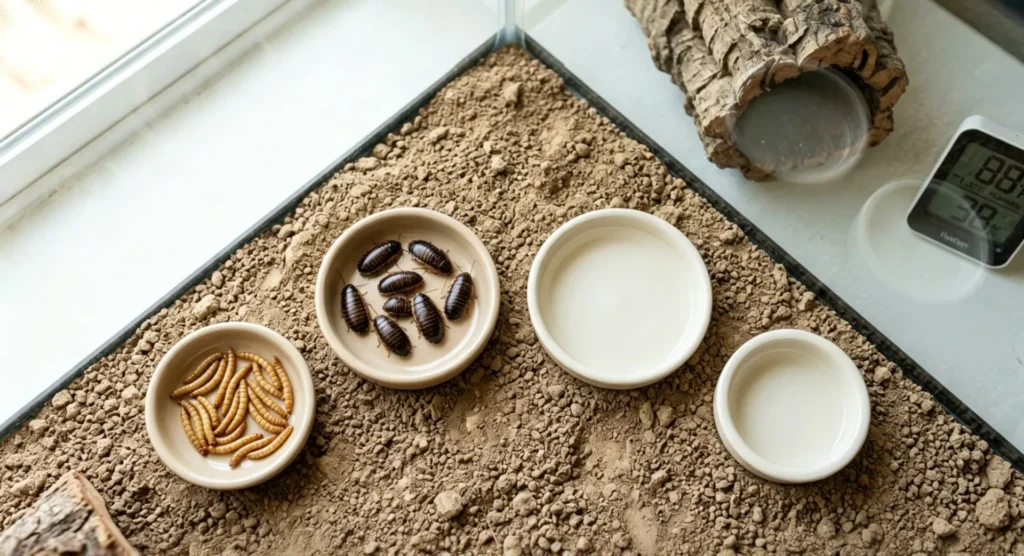
Core Weekly Diet Breakdown
Staple Feed (75% of all meals): Medium-sized mealworms and dubia roaches. These two insect varieties are affordable, easy to source locally across inland California, and perfectly match the nutritional needs of both juvenile and adult leopard geckos. Juvenile geckos require daily feeding, while adult geckos thrive on alternate-day feeding schedules adjusted for accelerated indoor summer metabolism.
Occasional Treat Feed (Max 25% of weekly meals): Crickets, black soldier fly larvae, and limited portions of waxworms. Waxworms are high in fat and restricted to one or two servings per week to prevent obesity, a common issue for indoor geckos with limited movement in California residential enclosures.
Supplement Routine: Calcium powder without D3 dusted on feeder insects every alternate feeding. Multivitamin powder applied two to three times weekly only. This adjusted schedule accounts for faster gecko metabolism during inland California’s prolonged high-heat seasons.
Southern California Inland Exclusive Cost-Saving Feeding Solutions
Local Feed Procurement Hacks to Avoid Retail Markups
Chain pet stores across Riverside, San Bernardino, and inland LA apply massive markup to all reptile feed and supplements. Local independent reptile breeders and regional hobbyist groups offer bulk live feeder insects at 40% to 60% lower prices than retail locations.
Southern California reptile communities on Reddit and Facebook host biweekly bulk feeder group buys, cutting out middleman retail fees entirely. All six overpriced commercial feed products listed above can be permanently removed from feeding routines with zero negative impact on gecko health.
Low-Cost DIY Insect Gut-Load Formula for California Homes
All ingredients for a nutritionally complete DIY gut-load mix are available at local inland California grocery chains including Walmart, Ralphs, and Stater Bros. The formula replaces expensive branded gut-load powders while meeting full reptile nutrition standards.
The simple mix consists of fresh kale, diced butternut squash, shredded carrots, and low-protein dry cat kibble. Feeding this blend to staple feeder insects 24 hours before offering them to geckos delivers superior nutrition compared to overpriced branded gut-load products, costingless than $3 per month per gecko enclosure.
Dry Heat Season Feeding Adjustment Rules
During inland California’s summer dry season, daytime indoor temperatures regularly exceed 88°F. This extreme heat suppresses leopard gecko appetite and speeds up leftover feed spoilage.
Smart seasonal adjustments also help significantly when learning how to avoid overpriced leopard gecko feed in california by reducing feed waste. Local keepers should shift all feeding sessions to late evening, after indoor temperatures naturally drop 6°F to 10°F. This simple adjustment improves feeding response and eliminates wasted insects. Never leave live feeders unattended in the enclosure overnight, as high heat causes insect stress, substrate contamination, and gecko anxiety.
California Rental Apartment Friendly Feeding Guidelines
Apartment-specific feeding rules are essential knowledge for renters learning how to avoid overpriced leopard gecko feed in california. Most inland California residential apartment leases restrict indoor cricket breeding due to noise and odor violations. To avoid rental fines and lease breaches, prioritize dubia roaches and mealworms as primary staple feeders. These insect colonies produce no loud chirping and minimal odor, complying with nearly all local apartment housing rules.
California Local Reptile Veterinary Resource Reference
Digestive discomfort linked to overpriced low-quality commercial feeds is one of the most frequently reported health concerns shared at inland Southern California exotic pet care centers in 2026. Local keepers can reference these trusted regional clinics for diet-related gecko health concerns:
Riverside Reptile Animal Care Clinic offers diet consultation services for $58 to $72 per visit. San Bernardino Exotic Pet Care Center provides routine gecko gut health check-ups at a base rate of $65. Both clinics publish free 2026 updated leopard gecko feeding guides tailored to inland California dry heat conditions on their official websites.
2026 California Local Reptile Feed Blacklist (CDFA Warning List)
The California Department of Food and Agriculture released an updated exotic pet feed warning list in early 2026, flagging local exclusive reptile feed products with unlisted artificial appetite stimulants. Many store-branded “California custom formula” feeds contain hidden sugar-based additives that force temporary eating behavior but cause chronic gastrointestinal irritation in leopard geckos.
Any reptile feed product marketed as a regional exclusive with incomplete ingredient labeling qualifies for the local caution blacklist. Cross-checking official databases is a professional trick for anyone learning how to avoid overpriced leopard gecko feed in california.
Frequently Asked Questions (2026 California Beginner Focus)
Q1: Can processed commercial feeds replace live insects for leopard geckos living in inland Southern California?
No processed pellet, paste, or canned puree can fully replace live insects for leopard geckos. The species requires moving prey to trigger natural feeding and maintain healthy digestive function. Inland California’s dry, hot indoor environment further reduces processed feed acceptance and increases the risk of digestive upset, makinglive staple insects a permanent nutritional requirement.
Q2: Are limited-edition seasonal California gecko supplements worth the premium price?
Seasonal exclusive supplements offer zero climate-specific formula adjustments for inland California weather. Independent testing confirms identical nutrient ratios as standard low-cost generic supplements. The seasonal branding only increases retail price with no added health or nutritional benefits, making these products an unnecessary expense for all local keepers.
Q3: How can California beginners buy feeder insects without retail markup?
New keepers can join regional Southern California reptile groups on Reddit and Facebook for biweekly bulk feeder group buys. Local independent breeders in Riverside and San Bernardino offer discounted bulk insects with no retail overhead,cutting feeding costs by more than half compared to chain pet store pricing.
Q4: Is it safe to feed small amounts of freeze-dried premium feed occasionally?
Occasional consumption does not equal nutritional compatibility. Even small, infrequent servings of freeze-dried commercial feeds contribute to long-term nutrient deficiencies in dry inland living environments. These premium products should be treated as extremely rare treats (no more than once monthly) and never integrated into regular feeding routines.
Q5: What is the minimum monthly feeding budget for a single adult California leopard gecko?
By using bulk local feeder insects and DIY gut-load mixes, local keepers maintain fully compliant nutritional care for just $8 to $13 per month. This method reduces standard feeding expenses byover 65% compared to purchasing overpriced retail commercial feeds.
This content is for educational purposes only and does not substitute professional veterinary diagnosis or treatment. If you observe any symptoms of illness, injury, or abnormal behavior, please consult a qualified exotic animal veterinarian immediately.
For more details, please review our full Medical Disclaimer.