

Introduction: Why Age 7 is a Vital Milestone for Your Pet
According to the American Veterinary Medical Association (AVMA), most dogs and cats enter their golden years around age 7, making proactive senior pet care a vital milestone. While smaller breeds might stay youthful until 10, and giant breeds age as early as 5, age 7 serves as the universal benchmark for preventive geriatric care.
Managing these wellness shifts depends heavily on your canine’s size and genetics. If you are still deciding on a canine companion, reviewing the life expectancy and care traits of the most popular dog breeds is an essential first step.
As a dedicated pet parent, shifting your approach from “maintenance” to “proactive wellness” can significantly extend your companion’s lifespan and quality of life.
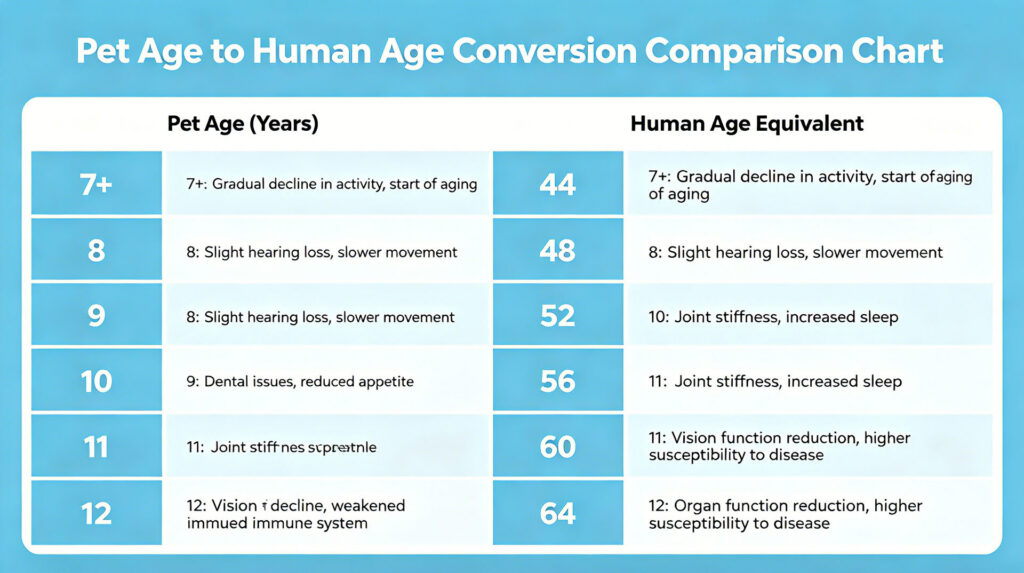
1. Precision Nutrition for Senior Pet Care: Fueling the Aging Metabolism
As pets age, their metabolic rate slows down by approximately 20% to 30%. Continuing to feed them standard adult food often leads to obesity, which is the “silent killer” for senior joints.
High-Quality Protein vs. Kidney Health
There is a common myth that senior pets need less protein. In reality, unless your pet has diagnosed chronic kidney disease (CKD), they need high-quality, easily digestible protein to prevent muscle wasting (sarcopenia).
- Recommended Crude Protein Target: 25%–30% for dogs; 35%–40% for cats.
Vital Supplements for Longevity
- Glucosamine & Chondroitin: Essential for repairing worn-out joint cartilage.
- Omega-3 Fatty Acids (EPA/DHA): Potent anti-inflammatories for brain and heart health.
- Probiotics: Supporting a gut microbiome that becomes less efficient with age.
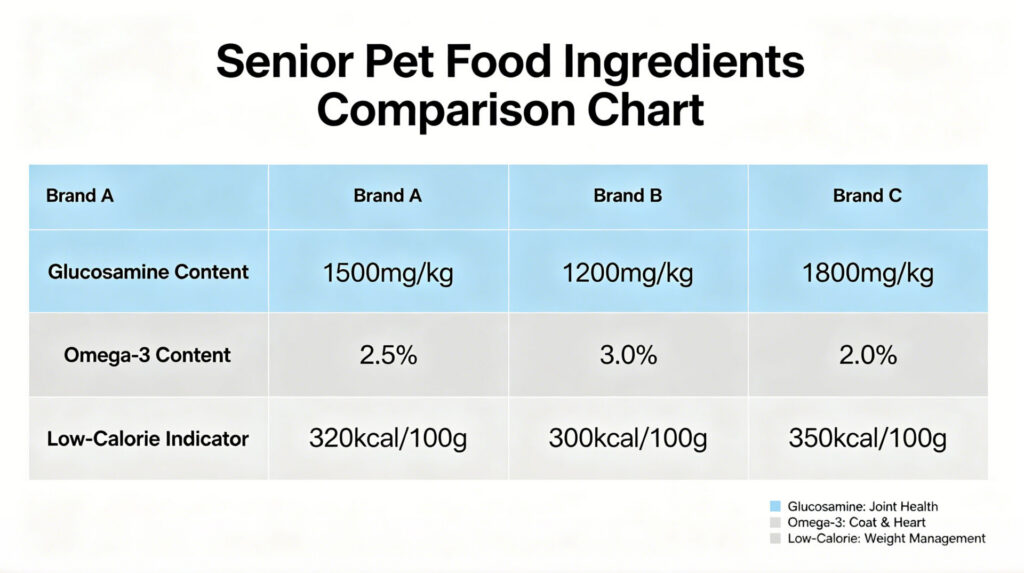
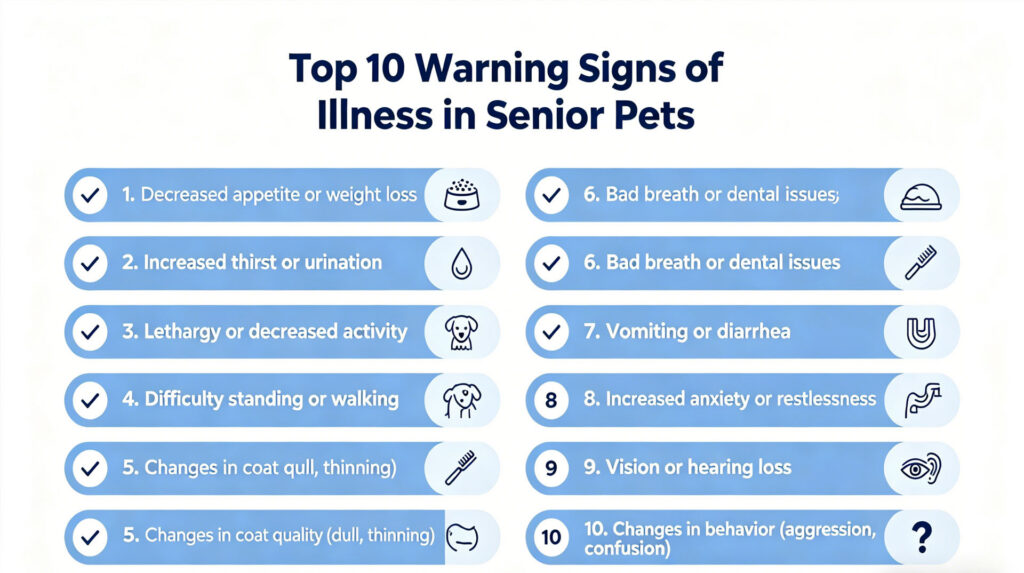
2. Early Detection: Identifying “Invisible” Senior Ailments
Senior pets are masters of hiding pain, especially cats. You must act as a biological detective to spot subtle shifts in behavior.
Behavioral Red Flags
- Cognitive Dysfunction Syndrome (CDS): Look for “sundowning” (nighttime pacing), staring into corners, or getting stuck behind furniture.
- Changes in Interaction: A sudden preference for isolation can indicate chronic pain or sensory loss.
Physical Indicators
- Increased Thirst (Polydipsia): Often the first sign of kidney failure, diabetes, or Cushing’s disease.
- Unexplained Weight Loss: Even with a normal appetite, this could signal hyperthyroidism or malabsorption.
3. Environmental Modifications: Creating a “Senior-Friendly” Home
Creating a senior-friendly living space requires a sharp attention to daily details. Small changes in your home can prevent major injuries.
- Non-Slip Flooring: Use yoga mats or area rugs on hardwood floors. Senior paw pads lose traction, and a single slip can lead to a torn ACL (CCL in dogs).
- Elevated Feeding Stations: Raise bowls to elbow height. This reduces strain on the cervical spine and makes swallowing easier for pets with megaesophagus or arthritis.
- Orthopedic Bedding: Upgrade to memory foam beds that distribute weight evenly, preventing pressure sores on bony prominences.

4. Mental & Physical Enrichment: “Use It or Lose It”
Low-Impact Exercise
Replace high-intensity fetch sessions with “Sniffari” walks. Allow your senior dog to lead the way and sniff everything. This provides massive mental stimulation without straining the heart.
Cognitive Games
Use treat-dispensing puzzles to keep their neurons firing. Mental fatigue is just as effective as physical exercise for keeping a senior pet calm and happy.

5. Veterinary Vigilance: The Bi-Annual Wellness Exam
For pets over 7, the “once a year” vet visit is no longer enough. Six months in a senior pet’s life is equivalent to several years in a human’s.
- Blood Chemistry Panels: Focusing on SDMA levels for early kidney detection.
- Blood Pressure Monitoring: Hypertension is a frequent but overlooked killer in senior cats.
- The Dental Connection: Over 70% of senior pets have advanced periodontal disease. Bacteria from the mouth can travel through the bloodstream, directly attacking the heart valves and kidneys.
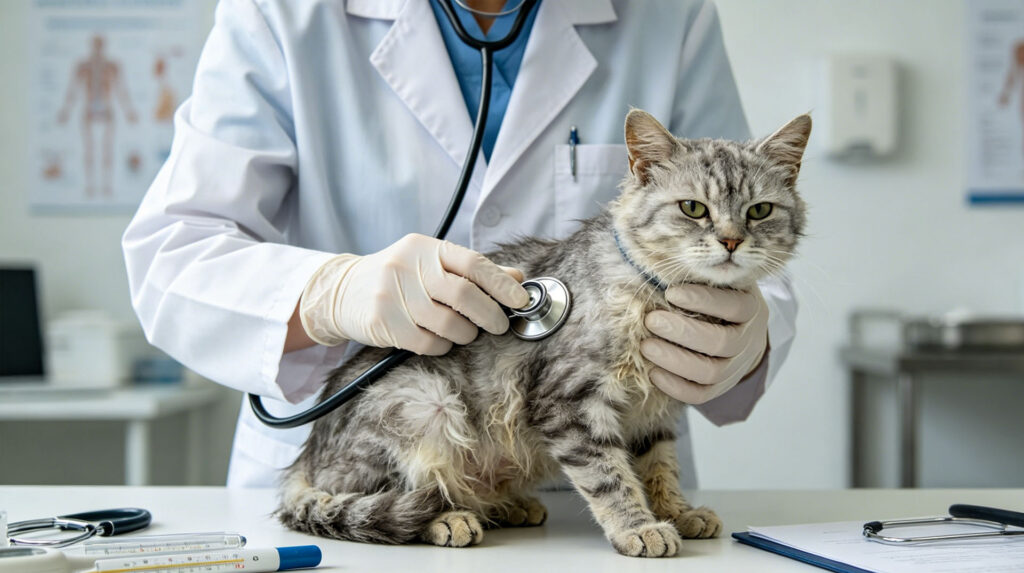
Final Thoughts on Senior Pet Care: Dignity in the Golden Years
Aging is not a disease; it is a life stage that requires a different strategy. By optimizing nutrition, modifying the home environment, and prioritizing early detection, you ensure your pet’s sunset years are filled with comfort rather than struggle.
Community Engagement: How old is your furry friend? Have you noticed any “gray muzzle” wisdom lately? Share your stories in the comments below!
Pro Tip: Looking for more exotic pet care? Check out our Leopard Gecko Beginner Care Guide for the latest setup and habitat tips for 2026.
This content is for educational purposes only and does not substitute professional veterinary diagnosis or treatment. If you observe any symptoms of illness, injury, or abnormal behavior, please consult a qualified exotic animal veterinarian immediately.
For more details, please review our full Medical Disclaimer.
Pingback: Best Pet Hair Removal Tools: Neakasa P1 Pro vs FurZapper 2026
Pingback: Cat Vomiting Yellow Bile: Real Vet Causes & At-Home Fixes (2026) - The Pets Care Hub