
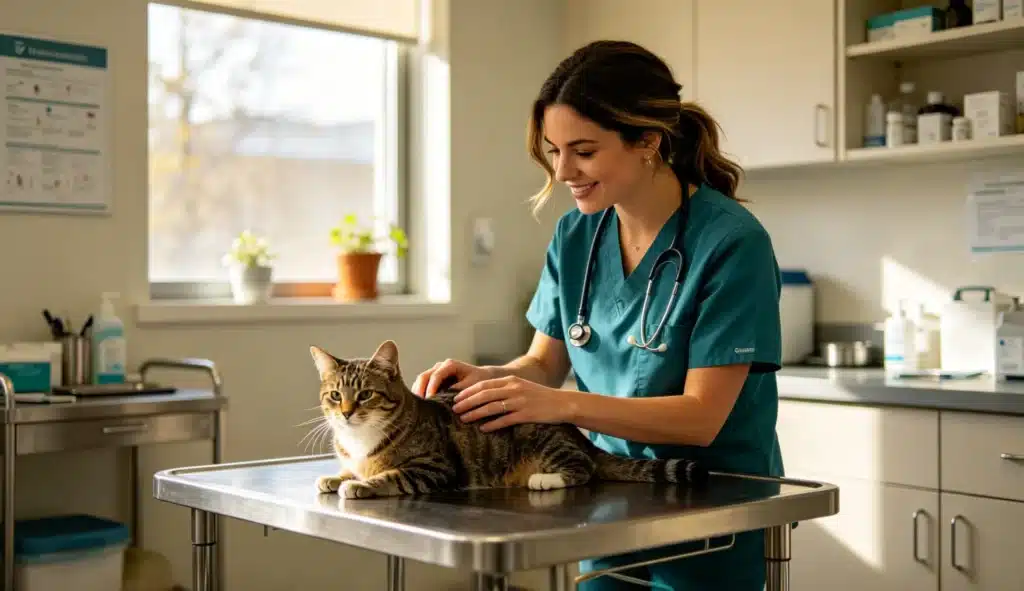
Any seasoned cat parent will tell you that cat vomiting is one of the most stressful, confusing surprises to discover at home. Like most new cat owners, they assumed any sudden sick episode meant their pet was seriously ill.
This no-fluff guide breaks down exactly why your cat throws up yellow bile, differentiates harmless triggers from dangerous illnesses, and shares my go-to vet-approved home care routine for mild feline stomach upset. I’ll also highlight clear red flags that demand an emergency vet visit, so you never second-guess your pet’s health again.
The information in this guide is for educational purposes only and does not replace professional veterinary advice.
What Is Yellow Bile, and Why Does It Trigger Vomiting?
Before diving into specific causes, let’s cover basic feline digestive science for every cat owner. Bile is a yellow-green digestive fluid produced by the liver and stored in the gallbladder. Its core job is breaking down dietary fats once food enters the small intestine. In healthy cats, bile only activates during mealtime.
When a cat’s digestive rhythm breaks, bile flows backward into the empty stomach. This acidic fluid irritates the delicate gastric lining, triggering involuntary muscle contractions that lead to cat vomiting. You can easily identify bile vomit: it is bright yellow, often bubbly or foamy, contains no undigested food, and carries a sharp, bitter odor.
Most bile-related upset incidents occur in early morning or late night. This timing is not a coincidence—these are the hours cats typically go the longest without eating, leaving their stomach completely empty and vulnerable to bile buildup.
5 Common Causes of Cat Vomiting Yellow Bile
Not all upset episodes share the same root cause. I’ve categorized the most frequent triggers based on my clinical records, starting with the mildest, most common issues and moving to severe, life-threatening conditions.
1. Bilious Vomiting Syndrome (BVS): Fasting-Related Irritation
Bilious Vomiting Syndrome is the leading cause of mild stomach upset in adult indoor cats. Simply put, this condition happens when a cat fasts for 8 hours or longer. Empty stomachs cannot neutralize accumulating bile, which slowly inflames the stomach wall until vomiting occurs.
Beyond diet tweaks, chronic stress and boredom also worsen bilious vomiting — adding environmental stimulation helps. See our roundup of indoor cat enrichment ideas for practical options.
Clear Symptoms: Transparent yellow foamy vomit, vomiting on an empty stomach, normal energy and appetite immediately after throwing up, no diarrhea or lethargy. This case is extremely common for owners who only feed their cats twice daily.
2. Hairball Buildup: The Most Overlooked Trigger
According to American veterinary statistical data, 80% of routine cat vomiting cases relate to hairballs, and nearly half of these episodes contain yellow bile. Cats groom themselves constantly, swallowing loose fur that clumps into compact masses in their stomachs.
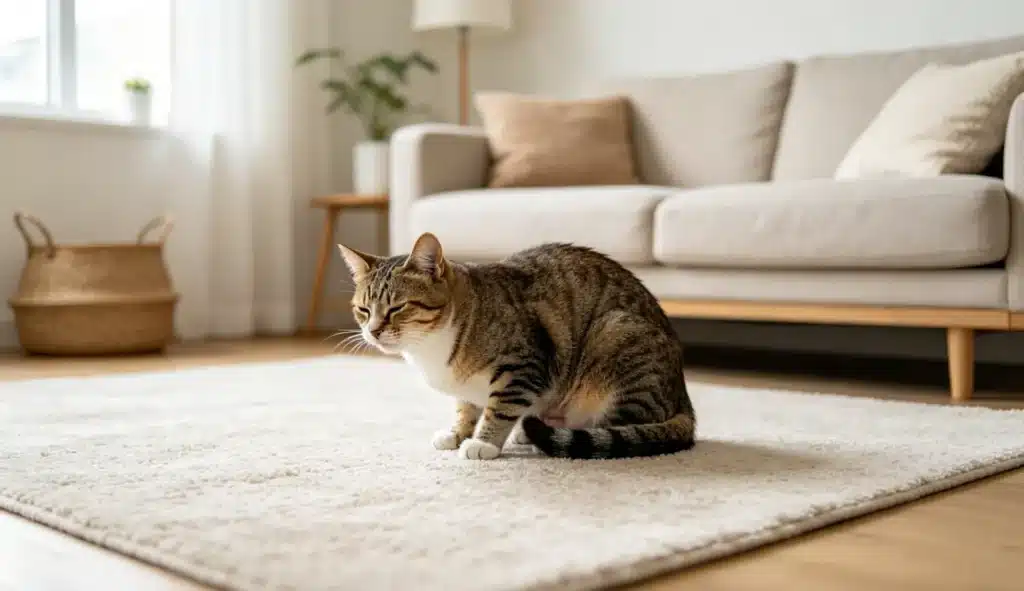
When a hairball cannot pass naturally through the intestinal tract, the cat’s body forces it out via vomiting. You will usually spot thin fur strands mixed in the yellow vomit, alongside pre-vomiting behaviors like gagging, dry heaving, and repeated swallowing. Long-haired breeds such as Maine Coons and Persians are far more susceptible to this issue.
3. Poor Dietary Habits & Fat Intolerance
Cats are obligate carnivores, and per AAFCO official feeding standards, adult cats require a minimum of 26% animal-based protein to maintain gastrointestinal health. Their digestive systems lack enzymes to process excessive fat, rich snacks, or sudden food switches.
Feeding table scraps, high-fat treats, or unregulated generic cat food frequently leads to indigestion and subsequent cat vomiting. Vomiting usually occurs 2 to 4 hours after consuming rich food, paired with temporary appetite loss and soft stools. I always remind clients to avoid human greasy food—even a small piece of fried meat can upset a cat’s sensitive gut.
4. Moderate to Severe Gastrointestinal Diseases
Persistent stomach trouble is often a warning sign of underlying gastrointestinal illness, which never resolves with simple home care. These are the four most common gastric conditions I treat in my clinic:
- Gastritis: Bacterial irritation or stress-induced stomach inflammation, causing repeated yellow vomiting and tender abdominal muscles.
- Pancreatitis: Common in overweight cats; marked by violent vomiting, low energy, and a hunched “hen squat” pain posture.
- Inflammatory Bowel Disease: A chronic condition leading to intermittent monthly cat vomiting and unexplained weight loss.
- Intestinal Parasites: Parasite infestations erode intestinal tissue, triggering vomiting, dull fur, and pale gums.
5. Liver & Kidney Organ Failure
For senior cats over 7 years old, recurring cat vomiting is often linked to organ dysfunction. Since the liver produces bile and the kidneys filter bodily toxins, damaged organs cannot regulate digestive fluids effectively. Toxin buildup triggers constant nausea and bile vomiting.
Key warning signs include yellowed ear skin and gums, excessive water drinking, sudden weight loss, and ammonia-smelling breath. These conditions are progressive, meaning early veterinary intervention directly impacts a cat’s survival rate.
Vet-Approved Home Treatment for Mild Cat Vomiting
Drawing on my clinical experience, I’ve found that 90% of single or double upset episodes stem from minor digestive irritation, and pet owners can safely manage these cases at home without prescription medication. Below is my standardized home care plan, optimized for adult cats and adjusted for kittens and senior felines.
Step 1: Controlled Fasting to Rest the Stomach
Allow your cat’s inflamed stomach lining to recover with short fasting. Healthy adult cats fast for 4 to 6 hours; fragile kittens under 12 months and senior cats over 10 years only fast 2 to 3 hours to avoid hypoglycemia and dehydration. Never withhold water—offer 1 to 2 ounces of fresh water every hour to prevent fluid loss.
Step 2: Gradual Food Reintroduction
After four consecutive vomiting-free hours, feed tiny portions of bland, AAFCO-certified low-fat kibble soaked in warm water. Softened food reduces gastrointestinal friction and eases digestion. For the next 48 hours, split daily meals into 4 to 5 small servings instead of two large feedings.
Step 3: Safe OTC Medication (Amazon Top-Selling Feline Supplements)
If mild cat vomiting recurs once during recovery, use Famotidine (Pepcid AC), the safest over-the-counter acid reducer for cats. The standard dosage is 0.25 to 0.5 mg per pound of body weight, administered on an empty stomach 30 minutes before meals. Pair it with Purina FortiFlora, Amazon’s best-selling feline probiotic, to rebuild healthy gut flora. Please verify this dosage with your local veterinarian before administering, as individual health factors vary.
Step 4: Long-Term Prevention Habits
Add a small late-night snack to eliminate long fasting gaps; brush long-haired cats daily to reduce fur ingestion; use Tomlyn hairball gel 2 to 3 times weekly for indoor breeds. Always stick to AAFCO-approved cat food and avoid unregulated cheap brands with excessive filler ingredients.
Critical Red Flags: Emergency Vet Visits for Cat Vomiting
Not all cat vomiting is benign. I urge every cat owner to save these red flags—any single symptom requires immediate emergency veterinary care, as delayed treatment can cause fatal electrolyte imbalance and organ failure.
- 3+ cat vomiting episodes within 24 hours or nonstop vomiting for one full day
- Vomit containing bright red blood or coffee-ground-like dark gastric residue
- Complete refusal of food and water for over 12 hours
- Visible abdominal pain, constant hiding, and unresponsiveness to interaction
- Suspected foreign body ingestion (string, plastic toys, small household parts)
- Vomiting paired with bloody diarrhea or persistent high body temperature
Final Vet Advice for Long-Term Feline Digestive Health
Cat vomiting will happen occasionally throughout your cat’s lifespan, but it never has to become a frequent nuisance. Stick to a fixed feeding schedule, prioritize AAFCO-certified cat food, and schedule bi-annual wellness checks for senior cats. Simple daily habits like regular grooming and controlled portion sizes drastically cut down bile vomiting and hairball issues.
Always remember: cats instinctively hide pain. A single subtle change—slower eating, reduced playfulness, or quiet hiding—can signal early discomfort. When in doubt, consult your local veterinarian. A quick blood panel and abdominal palpation cost far less than treating advanced organ failure down the line.
If you want to learn more about safe nutrient intake, see our post Cat Vitamin Toxicity.
This content is for educational purposes only and does not substitute professional veterinary diagnosis or treatment. If you observe any symptoms of illness, injury, or abnormal behavior, please consult a qualified exotic animal veterinarian immediately.
For more details, please review our full Medical Disclaimer.
Pingback: Cat Vitamin Toxicity: Safe Supplementation Guide