
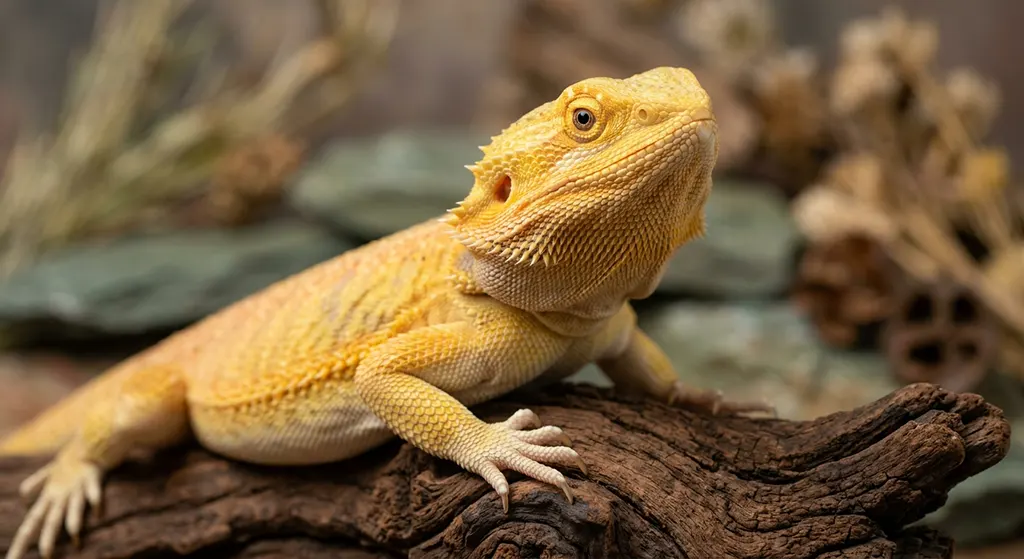
If you’re shopping for a bearded dragon in 2026, the animal itself can be the smallest line item in your budget—or the biggest. A normal-looking central bearded dragon at a chain store might run $60 to $100, while a clean hypo-zero or zero-leatherback from a documented US breeder can cost $500 to $1,500+ before shipping.
This guide breaks down bearded dragon morph prices by budget tier, explains what actually drives the bearded dragon cost, compares pet stores vs breeders, and helps beginners choose a morph that looks great without creating husbandry problems.
Quick Bearded Dragon Morph Price Overview
| Budget Tier | Typical Morphs | Common 2026 Price Range | Best For |
|---|---|---|---|
| Budget | Standard / wild-type, some color-line normals | $40–$80 | First-time owners, kids’ first reptile, simple setups |
| Popular mid-tier | Citrus, Hypo, Translucent, Leatherback, Sandfire-type color lines | $100–$300 | Most buyers; better color and cleaner genetics |
| Premium | Zero, Witblits, Wero, Genetic Stripe, strong combo morphs | $300–$1,000+ | Collectors, breeders, display animals |
| Specialty caution | Silkback | $200–$600+ if available | Generally not recommended for beginners |
Important: These are typical US market ranges, not fixed quotes. Prices vary by breeder reputation, lineage documentation, age, sex, color saturation, and whether the animal is sold as pet-only or with breeding value.
Standard and Budget Morphs: $40–$80
The standard or “normal” bearded dragon is still the easiest entry point into the hobby. These dragons usually show wild-type browns, tans, creams, and muted orange tones. At Petco or PetSmart-type stores, $60 to $100 is common, while small local breeders and reptile rescues may list healthy normals closer to $40 to $80.
A budget dragon can be a smart buy if you care more about temperament than color. Look for clear eyes, a full tail, no stuck shed, a firm body condition, and an animal that is alert when handled. Ask whether the dragon is eating salad and insects reliably. A “cheap” dragon becomes expensive fast if it arrives dehydrated, loaded with parasites, or already impacted. If you bring home a baby that stops eating within the first week, our baby bearded dragon not eating troubleshooting guide walks through the most common causes and what to fix first.
A basic wellness check with a reptile vet—or at least a fecal exam—can save money later. If you suspect parasites, don’t guess with over-the-counter products; use an ARAV-listed reptile vet and ask for a fecal test appropriate for a bearded dragon.
Pet store normals are convenient because you can see the animal in person, but selection is limited and lineage is usually unknown. That matters less if you want a pet, and more if you may want to breed later.
Popular Mid-Tier Morphs: $100–$300
Most US buyers land in this range. The morphs here are common enough to find from multiple breeders, but still offer visible upgrades in color, pattern, scale texture, or contrast.
Citrus: Bright, Cheerful, and Usually Beginner-Safe
“Citrus” is more of a color line than a single genetic morph, but it is one of the most searched bearded dragon descriptors for a reason: buyers want that clean yellow-orange look. Typical prices run around $100 to $250, depending on how saturated the animal is and whether it is also hypo.
A bright citrus dragon with strong appetite and calm handling is often better value than a rarer morph with weak color. If two citrus animals look similar at age, ask which one comes from a longer line of consistent adults. Babies can fade.
Hypo: Cleaner Color, Lighter Nails
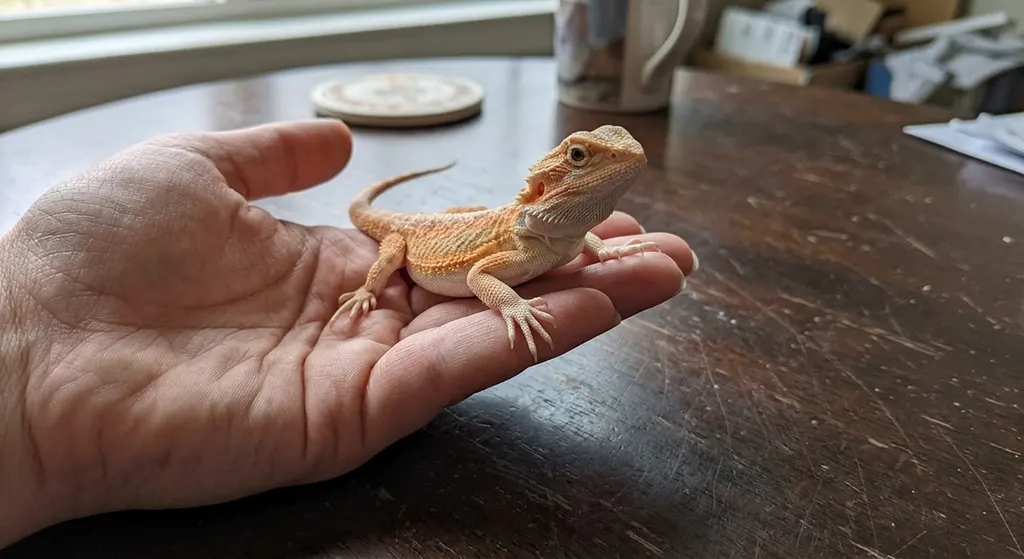
Hypomelanistic, or hypo, dragons have reduced dark pigment. The easiest field mark is the nails: hypo animals usually have clear or pinkish nails rather than dark nail stripes. Expect roughly $80 to $200 for a standard hypo and higher when combined with leatherback, translucent, citrus, or zero lines.
Hypos are a strong beginner-to-intermediate choice because the morph is common, visually obvious, and does not require special care beyond normal bearded dragon standards.
Translucent: Dark Eyes and Baby Blue Bellies
Translucent dragons lack some white reflective pigment and often show solid black eyes and blue-toned bellies as juveniles. Many keepers love the dramatic look. Typical pricing sits around $150 to $350, with combined morphs often at $250 to $600+.
One practical note: translucents can be more sensitive to lighting mistakes because of eye and scale traits. They are still mainstream captives, but buy from a breeder who keeps them under proper UVB and heat gradients rather than showing only beauty shots under colored bulbs.
Leatherback: Smoother Back, Stronger Color
Leatherbacks have reduced spikes, which makes the back look smoother and can make color appear more saturated. Prices are commonly $150 to $300, rising when paired with hypo or citrus.
Leatherback is generally a good value morph. The welfare concern comes when two leatherbacks are bred together: they can produce silkbacks, which have no scales and much higher husbandry risk. Responsible breeders usually avoid that pairing.
Sandfire and Color-Marketing Names
You’ll still see names like Sandfire, blood red, orange hypo, and tangerine. Treat these as color marketing unless the breeder explains the actual genetic background. A “Sandfire-type” dragon may simply be a nice orange/yellow normal. Pay for visible quality and lineage, not the label.
High-End and Rare Morphs: $300–$1,000+
Premium morph pricing is where genetics, patience, and provenance matter most. A pretty baby is not automatically a premium adult. Serious breeders price animals based on visual expression, parent morphs, possible hets, generation of selective breeding, and whether the animal can reproduce the look.
Zero: The Patternless White Look
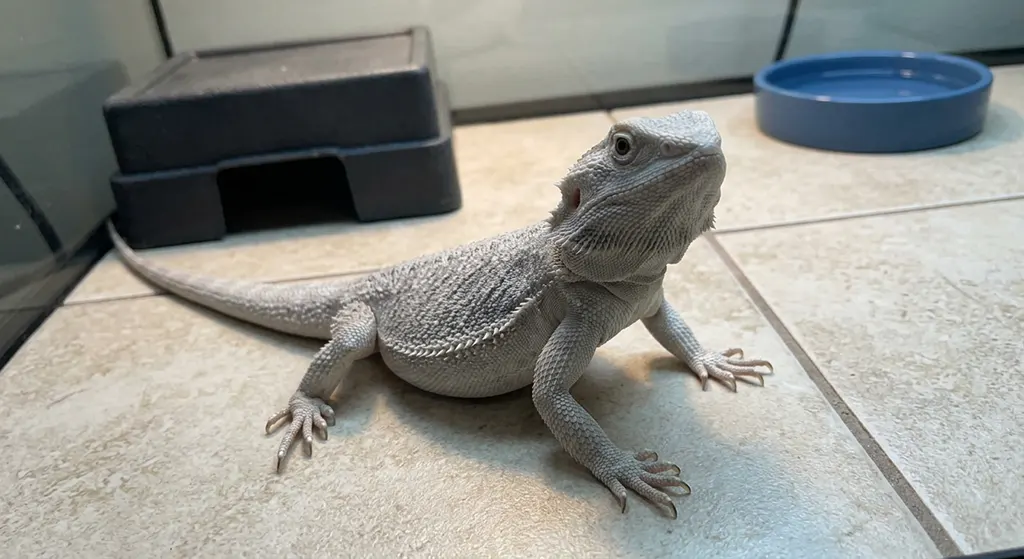
Zero morphs are bred for minimal pattern and pale white-to-silver coloration. On MorphMarket-style US listings, zero and hypo-zero dragons often appear around the mid-hundreds, with stronger examples and combos commonly reaching $500 to $1,500+. A basic zero may be closer to $300 to $600; a clean hypo-zero is usually the expensive version.
If you are asking, “How much is a zero bearded dragon?” the honest answer is: usually $300 to $600 for a solid visual zero, but $500 to $1,500+ is realistic for hypo-zero, zero-leatherback, or breeder-quality animals. Anything priced far below market should trigger extra vetting.
Witblits: Pattern-Free but Earthy
Witblits are patternless but usually warmer—tan, peach, cream—rather than icy white. Typical prices run around $200 to $500 for quality individuals, with premium combinations higher. Witblits are recessive and often confused with zero by casual sellers. Ask what the parents were; a breeder who cannot name the parents is guessing.
Wero: Zero × Witblits Complexity
Wero is produced by combining zero and witblits genetics, which means working with multiple recessive lines. That breeding complexity is exactly why prices often start around $400 and can move past $1,000 for clean, well-started animals. If a seller advertises wero cheaply, ask for photos of parents and earlier clutches.
Genetic Stripe and Other Pattern Projects
Genetic stripe and similar pattern projects vary widely. Some are established lines with consistent output; others are new projects where the “stripe” is inconsistent or fades. Budget $300 to $800+, but pay only for clear adult photos, not hatchling promises.
Silkback: Expensive to Care For, Not Just to Buy
Silkbacks lack scales and can look stunning, but the same trait that makes them eye-catching creates real welfare risk. Without normal scale protection, they are more vulnerable to skin damage, UV burns, dehydration, stuck shed, and injury from cagemates or rough decor.
They often need careful lighting, frequent hydration or baths, skin support, soft substrate, and strict solo housing. Many experienced breeders avoid producing them for ethical reasons. Even if the purchase price is only a few hundred dollars, the ongoing care cost and risk profile are high. For most beginners: skip silkback. For a deeper breakdown of morph genetics and welfare considerations, see this bearded dragon morph identification and rarity guide.
What Actually Determines Bearded Dragon Morph Prices?
Two dragons with the same morph label can be priced $200 apart. Here’s why.
Color Purity and Saturation
A citrus dragon with clean yellow-orange color and no muddy brown wash usually costs more than a “citrus” that is mostly tan. With zeros and witblits, clarity, even tone, and adult expression matter more than baby photos.
Genotype and Het Value
Recessive traits such as hypo, translucent, witblits, and zero matter even when they are not visible. A dragon that carries one copy—het hypo, het zero, het trans—may not look different, but it can be valuable to breeders. A visual hypo-zero is worth more than a normal-looking “possible het zero” because the visual animal proves expression.
If you are not breeding, do not pay large het premiums unless the breeder proves value through lineage. For pet buyers, visual quality and health should beat hidden genetic possibilities.
Age, Size, and Feeding History
A well-started juvenile that is eating salad, pooping normally, and shedding cleanly is easier to transition than a fragile hatchling. Adults and proven breeders cost more because they reduce uncertainty. Babies are cheaper but riskier.
Breeder Documentation
Lineage records, parent photos, hatch date, feeding schedule, fecal or vet checks when offered, and live-arrival terms all cost money to maintain. That paperwork is often why a breeder animal costs more than a similar-looking store animal.
Where to Buy Bearded Dragons in the US
Chain Pet Stores
Pros: convenient, no shipping fee, you can inspect the animal, sometimes return windows or store guarantees.
Cons: limited morphs, unclear lineage, variable staff knowledge, animals may come from high-volume suppliers.
For a normal dragon, a healthy store animal can be fine. For morph accuracy, pet stores are rarely the best source.
Local and Online Breeders
Pros: better morph accuracy, cleaner feeding history, more transparent lineage, access to premium morphs, often live-arrival guarantees when shipped properly.
Cons: higher animal price, possible $50–$80 overnight shipping, waitlists for popular lines.
MorphMarket is the obvious US marketplace for comparing bearded dragon morph prices across many breeders, but the platform is only as good as the seller. Check reviews, ask for current unedited photos, request weight and feeding details, and confirm whether the animal is pet-only or breeder-quality.
Reptile Expos
Expos are excellent for seeing many morphs in person and talking directly with breeders. Prices can be competitive because sellers avoid shipping, but impulse buying is easy. Bring a checklist: enclosure size, UVB plan, heat gradient, quarantine setup, and your real budget including supplies. If you’re buying during fall or early winter, also read up on seasonal care in our bearded dragon brumation care guide so you know what’s normal and what isn’t when you bring a new dragon home.
Hidden Costs: Don’t Compare Animal Price to Animal Price Only
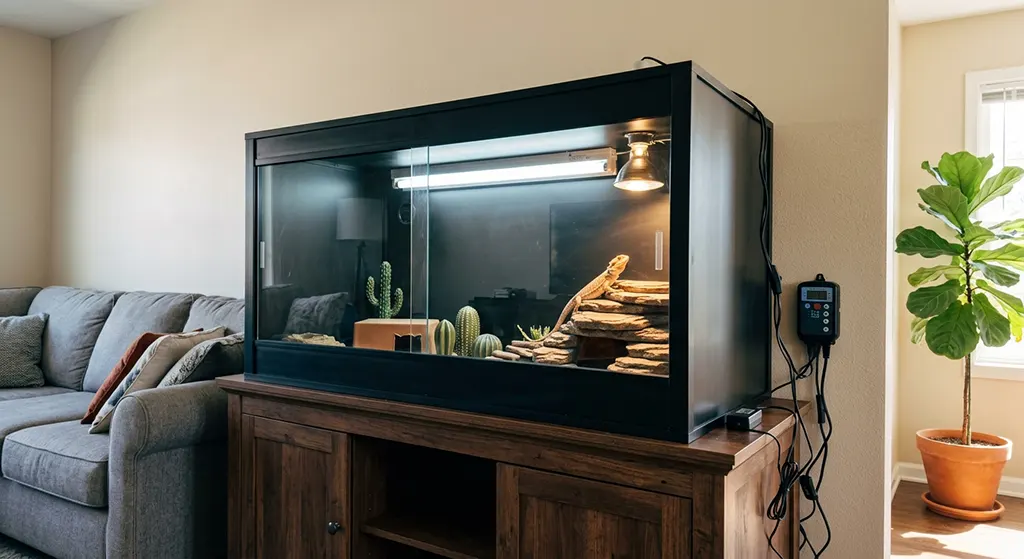
A $50 normal dragon can still require a $400 to $800 initial setup. A fair first-year budget for one bearded dragon in the US often looks like this. For a full year-by-year and 10-year cost projection including vet care and food, see this full bearded dragon cost of ownership breakdown:
- Dragon: $40–$500+ depending on morph
- Adult-sized enclosure or upgrade path: $150–$500+ — our US regional bearded dragon tank setup guide covers the exact 4×2×2 hardware list and what changes by climate zone
- Proper UVB and basking heat: $80–$250
- Thermostats, thermometers, timers, decor, hides: $100–$250
- Shipping if buying online: often $50–$80 for legal overnight reptile shipping
- Initial reptile vet visit or fecal exam: roughly $50–$150+ depending on region
- Food, supplements, substrate replacements: ongoing monthly cost
Overnight shipping is not optional for most reputable sellers because live reptiles must move quickly and under compliant packaging. Services such as MorphMarket Shipping generally require FedEx Priority Overnight or comparable next-day service for reptiles, with shipping typically limited to certain weekdays and weather conditions. That $50–$80 is part of the real purchase price, not a surprise later.
If you want product ideas for the setup, use an adult-sized 4×2×2 enclosure plan, a linear T5 UVB fixture appropriate to the distance, a dimming thermostat or carefully managed basking setup, digital thermometers, and a reptile vet fund. If you’re weighing a Rankin’s dragon against a central bearded dragon, our Rankin’s dragon vs central bearded dragon comparison breaks down size, cost, and care differences side by side.
Best Value Bearded Dragon Morphs for Beginners
For most first-time keepers, the sweet spot is a healthy hypo, citrus, leatherback, or hypo-trans/leatherback combination from a breeder with normal pricing around $100–$300.
My practical ranking for beginners:
- Hypo or Citrus — visible improvement, common, easy to verify, no special care.
- Leatherback — attractive, usually hardy, avoid silkback-producing pairings as a buyer concern.
- Hypo Translucent — beautiful, but confirm eye/skin care and lighting from the breeder.
- Zero or Witblits — buy only if the adult expression, parents, and price all make sense.
- Silkback — not a beginner value purchase despite the wow factor.
If budget is tight, spend more on setup and health than morph. A $80 normal dragon in an excellent enclosure will outlive and outshine a $600 morph kept under weak UVB and guesswork temperatures.
FAQ
How much do bearded dragon morphs cost in 2026?
Most standard dragons are about $40–$80 from value sources and $60–$100 at many chain stores. Popular morphs such as citrus, hypo, translucent, and leatherback commonly run $100–$300. Premium morphs such as zero, witblits, wero, and strong combinations often start around $300 and can exceed $1,000.
How much is a zero bearded dragon?
Expect roughly $300–$600 for a solid visual zero from a reputable US breeder. Hypo-zero, zero-leatherback, and proven breeder-quality zeros commonly reach $500–$1,500+. Price depends heavily on color clarity, age, lineage, and whether the animal is pet-only.
Why are zero bearded dragons so expensive?
Zeros are recessive and require careful selection to keep the pattern minimal as adults. Breeders also invest in generations of line refinement, record keeping, housing, and quality feeding. You are paying for reduced uncertainty, not just a white baby.
Are pet store bearded dragons cheaper than breeders?
Sometimes on the sticker price. But compare total value: pet store normals may be $60–$100 with no lineage, while breeder animals may cost more but include known parents, better feeding history, and clearer morph identity. Add $50–$80 overnight shipping for online breeder purchases.
What is the best bearded dragon morph for beginners?
A healthy hypo, citrus, or leatherback in the $100–$250 range is usually the best balance of appearance, availability, and manageable risk. Choose the individual animal’s health and temperament before the morph name.
Is a silkback bearded dragon a good first morph?
No. Silkbacks lack scales and need more careful handling, hydration, shedding support, lighting control, and solo housing. The purchase price is not the main issue—the ongoing risk and specialized care are.
Do het traits affect price if I only want a pet?
They can, but they should not dominate your decision. A visual animal proves the trait; a het or possible het is a breeding question. Pet buyers should prioritize health, feeding response, temperament, and adult color evidence.
Final Recommendation
For the best 2026 value, buy the healthiest dragon with the clearest adult potential—not the rarest label. A $60 normal from a careful source is better than a sick “rare” deal. A $150–$250 hypo or citrus from a transparent breeder is the sweet spot for most US beginners. If you fall in love with a zero, witblits, or wero, budget at least $300–$600 for the animal, $50–$80 for legal overnight shipping, and $400–$800 for a proper first setup before checkout.
Investing in proper hardware and a healthy dragon upfront eliminates most of the headaches keepers face down the road.
This content is for educational purposes only and does not substitute professional veterinary diagnosis or treatment. If you observe any symptoms of illness, injury, or abnormal behavior, please consult a qualified exotic animal veterinarian immediately.
For more details, please review our full Medical Disclaimer.