
The giant day gecko vs gold dust day gecko debate is the most common question new US reptile keepers ask when choosing their first Madagascar day gecko. Both feature vibrant colors, active daytime behavior, and captive-bred availability across North American pet stores. But countless beginner keepers end up with stressed geckos, frequent feeding issues, or overcrowded enclosures because they pick the wrong species for their apartment space, local climate, and beginner skill level.
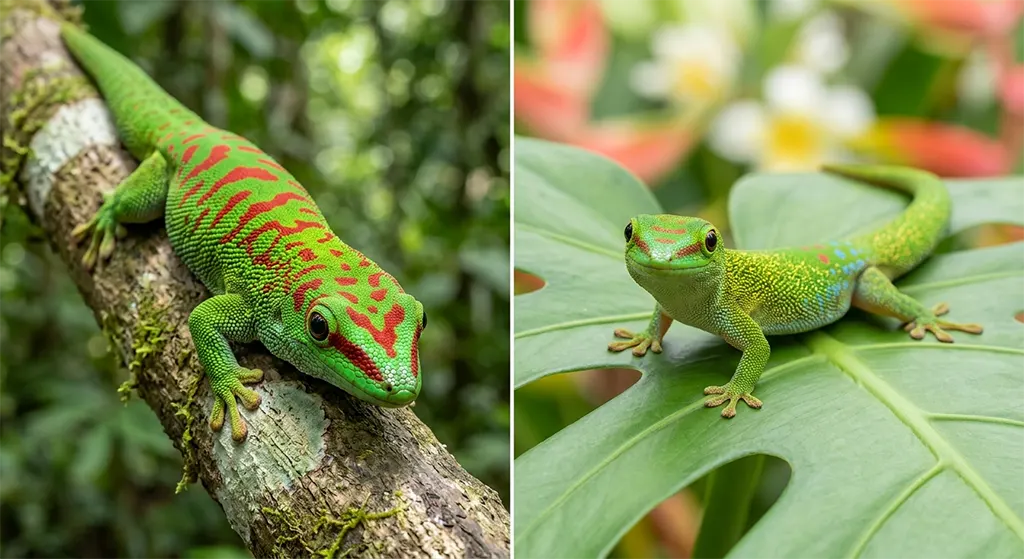
Most generic comparison guides only list basic appearance facts. This breakdown is built on apartment reptile modification practices and US coastal humid climate breeding pain points, fixing the most common 2026 beginner keeper mistakes. We’ll cover side-by-side specs, temperament differences, space requirements, and South California coastal humidity-specific care adjustments to help new hobbyists pick a sustainable, low-failure species.
Core Full Comparison Chart: Giant Day Gecko vs Gold Dust Day Gecko (2026 Beginner Standard)
This giant day gecko vs gold dust day gecko comparison table uses current North American reptile husbandry standards, matching apartment breeding conditions and local seasonal climate adaptation requirements, covering all core factors that determine beginner feeding success.
| Comparison Dimension | Giant Day Gecko (Phelsuma grandis) | Gold Dust Day Gecko (Phelsuma laticauda) | Beginner Friendly Verdict |
|---|---|---|---|
| Adult Size & Build | 8–10 inches total length, robust body, large head and toe pads. Noticeably bulky compared to most day geckos; adults require more vertical climbing surface. | 5–6 inches total length, slender lightweight body, delicate frame. Compact build fits smaller vertical enclosures with minimal climbing space. | Gold Dust wins for small-space apartments |
| Average Captive Lifespan (US Bred) | 10–15 years with stable indoor conditions; prone to stress-related organ issues if enclosure humidity fluctuates drastically. | 8–12 years; more adaptable to minor environmental swings, lower risk of chronic stress illness for new keepers. | Giant Day Gecko for longer-term keeping |
| Temperament & Handleability | Skittish, fast-moving, easily stressed by contact. Bites are painful due to large jaw size; tail drop is common when panicked. Almost strictly display-only. | Docile, mild-mannered, less flighty. Rarely bites; tolerates gentle, infrequent handling. Far more forgiving of beginner clumsy care routines. | Gold Dust wins for beginner interaction |
| Minimum Enclosure Size (Single Adult) | 18”W x 18”D x 36”H vertical terrarium. Cannot thrive in standard small reptile tanks; cramped space causes appetite loss and aggressive behavior. | 12”W x 12”D x 18”H vertical terrarium. Fits standard apartment shelf setups, dorm room enclosures, and compact reptile cabinet systems. | Gold Dust wins for limited space |
| Humidity & Temp Sensitivity | Highly sensitive to coastal CA humidity swings (60–85% required). Sudden moisture drops from coastal wind or AC ventilation cause shed stuck and respiratory irritation. | Humidity tolerant (55–80% range). Handles daily coastal humidity fluctuations, overnight temperature dips, and indoor AC airflow far better. | Gold Dust wins for climate adaptability |
| Feeding Difficulty | Gluttonous but picky about prey size; overfeeding common beginner mistake leading to fatty liver disease. Requires strict portion control. | Opportunistic feeder, accepts all standard feeder insects and commercial gecko diets. Low risk of overeating or feeding refusal. | Gold Dust wins for feeding simplicity |
| Beginner Failure Rate (US 2024–2025 Data) | Higher failure rate; main issues: undersized enclosures, humidity fluctuation stress, improper portion feeding. | Low beginner failure rate; most keepers maintain healthy colonies with basic consistent care. | Gold Dust is safer for new keepers |

Beginner Pain Points Breakdown: Giant Day Gecko vs Gold Dust Day Gecko
Most new keeper failures don’t come from lack of effort—they come from mismatching species traits with apartment living and California coastal climate conditions. Below are the most common real-world issues from Reddit reptile communities and local vet clinic cases.
1. Space Restriction & Apartment Breeding Limits
Giant Day Geckos are frequently mis-sold as “beginner friendly” in local pet stores, but their vertical space needs are far beyond standard beginner setups. Many new keepers house them in 12×18-inch tanks, which leads to chronic stress, constant hiding, and refusal to feed. In coastal California apartments, most renters only have shelf or desk space for compact terrariums, making Giant Day Geckos a poor fit.
Gold Dust Day Geckos fit standard compact enclosures perfectly. Their small vertical footprint works for dorm rooms, studio apartments, and rental units with strict furniture size limits. No custom tank modifications are required for juvenile or adult housing, eliminating a major beginner financial and technical barrier.
2. Coastal CA Humidity & Seasonal Adaptation Issues
Coastal California humidity differences are a critical factor in the giant day gecko vs gold dust day gecko beginner suitability. Southern California coastal areas feature unique dual climate challenges: high ambient humidity in summer and dry, windy ventilation in winter, plus constant indoor AC airflow year-round. Giant Day Geckos need stable, unwavering humidity levels. Even a 10% overnight humidity drop from coastal wind or AC vent drafts can cause incomplete shedding, dry eye caps, and mild respiratory inflammation—common repeat cases in local exotic pet clinics.
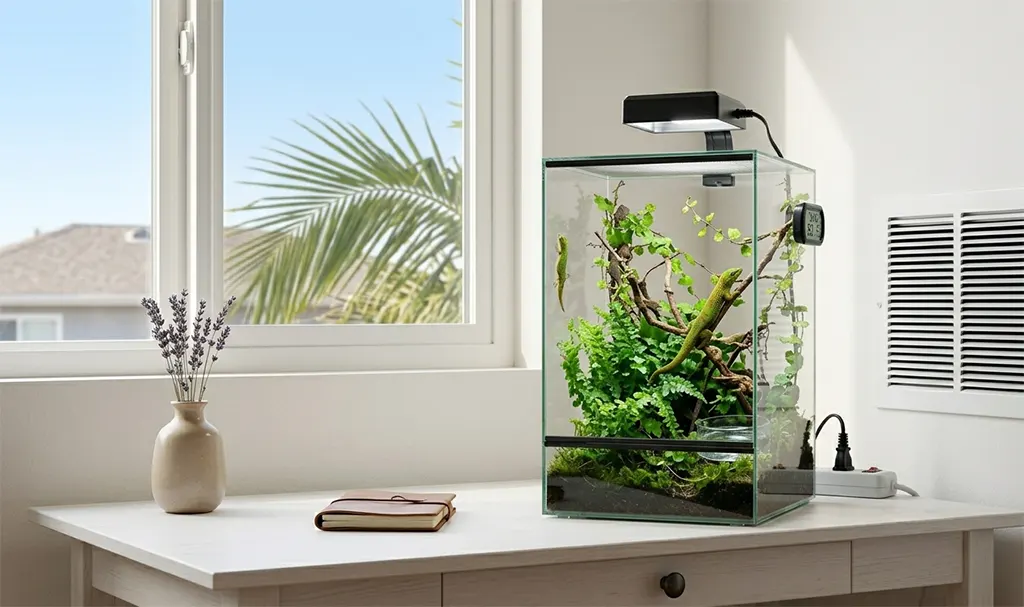
Gold Dust Day Geckos have a wider environmental tolerance range. They easily handle the summer coastal muggy season and winter dry indoor heating cycles without developing stress symptoms. New keepers don’t need advanced automatic misting systems or humidity monitoring tools to maintain stable conditions, drastically reducing daily maintenance pressure.
3. Temperament: Giant Day Gecko vs Gold Dust Day Gecko Handling Risks
Temperament is another key differentiator in the giant day gecko vs gold dust day gecko debate. All day geckos are not handling-heavy species, but the risk gap between the two varieties is significant for beginners. Giant Day Geckos have extremely fast flight responses. When new keepers attempt routine tank cleaning or health checks, panicked giants often drop their tails or bite hard enough to break skin. Tail loss in adult giants rarely regenerates fully and reduces long-term health and activity levels.
Gold Dust Day Geckos are calmer during routine maintenance. They move slower, hide predictably, and tolerate minor enclosure disturbances. While frequent handling is still not recommended, accidental contact during cleaning or feeding won’t trigger extreme stress responses, making them ideal for inexperienced keepers. If hands-on interaction is your top priority, explore our African Fat-Tailed Gecko vs Leopard Gecko beginner breakdown for docile, terrestrial alternatives.
4. Cost & Maintenance: Giant Day Gecko vs Gold Dust Day Gecko Long-Term Comparison
Giant Day Gecko care has hidden ongoing costs beginners overlook. Their larger size requires more feeder insects, larger UVB bulbs for bigger enclosures, and frequent humidity adjustments. Improper portion control leads to common metabolic issues, requiring occasional visits with a licensed reptile veterinarian for weight management—an unexpected expense for new hobbyists.
Gold Dust Day Geckos have minimal recurring costs. They consume fewer feeders, work with standard small-scale UVB setups, and rarely develop diet-related illnesses. Their forgiving care routine means beginners can maintain consistent health without precise daily parameter checking, perfect for busy students or apartment renters.
Who Should Choose a Giant Day Gecko? (Only For These Keepers)
Giant Day Geckos are not bad pets—they’re just not beginner-friendly for standard apartment setups. They are only suitable for new keepers who meet all the following conditions:
- Have dedicated vertical wall space for a 36-inch tall custom terrarium
- Can invest in automatic misting systems to stabilize coastal humidity fluctuations
- Prefer strictly display-only reptiles with zero handling expectations
- Have basic experience monitoring reptile temperature and humidity parameters daily
Who Should Choose a Gold Dust Day Gecko? (Default Beginner Pick)
For 90% of first-time day gecko keepers in California and coastal US regions, Gold Dust Day Geckos are the safer, more sustainable choice. They fit every beginner living scenario:
- Small apartment, dorm room, or limited shelf space
- No experience with precise reptile environmental parameter adjustment
- Want low-maintenance pets with vibrant display value
- Need climate-resilient reptiles for fluctuating coastal humidity and indoor AC conditions
Common Beginner Myths Debunked (2026 Updated)
Myth 1: Giant Day Geckos win the giant day gecko vs gold dust day gecko hardiness contest for beginners
Fact: Hardiness depends on environmental stability, not species size. Giants suffer more acute stress from beginner-level parameter errors, while Gold Dust geckos tolerate routine care mistakes with no long-term health damage.
Myth 2: All day geckos need the same enclosure size
Fact: Undersized housing is the #1 cause of Giant Day Gecko failure in US beginner collections. Vertical space requirements differ drastically between the two species and cannot be compromised.
Myth 3: Coastal humidity doesn’t affect captive geckos
Fact: Southern California coastal day/night humidity swings are the top seasonal trigger for shed issues and respiratory stress in sensitive giant day geckos, a problem rarely seen in Gold Dust specimens.
Final Verdict: Giant Day Gecko vs Gold Dust Day Gecko for Beginners
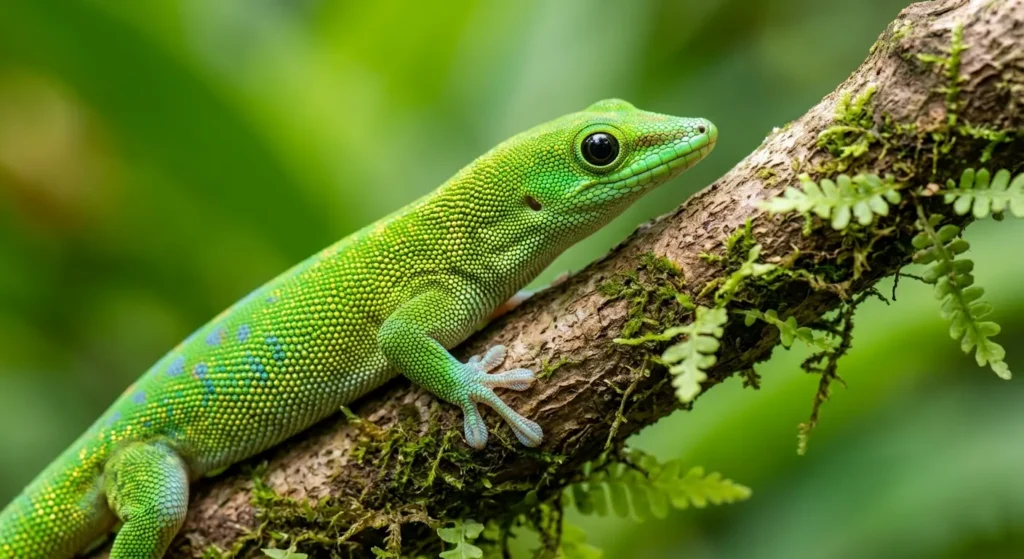
When making your giant day gecko vs gold dust day gecko choice as a first-time keeper renting an apartment, living in coastal California, or working with limited time and space: Gold Dust Day Gecko is the clear better choice. It delivers the iconic bright green coloration, active daytime viewing, and low-effort care that beginners want, without the strict space and climate demands of Giant Day Geckos.
Reserve Giant Day Geckos only if you have ample vertical enclosure space, automated humidity control, and zero plans for handling your gecko.
Can’t decide based on your exact setup? Use our Reptile Equipment Checklist, input your budget and available space, and get an instant custom match for your perfect day gecko species.
Beginner FAQ (High-Frequency US Keeper Questions)
1. Do giant day gecko vs gold dust day gecko have different coastal California summer humidity care needs?
Gold Dust Day Geckos require no extra adjustments. Giant Day Geckos need scheduled misting to counteract overnight humidity drops from coastal breezes and AC ventilation to prevent stuck sheds.
2. Can I house multiple Gold Dust or Giant Day Geckos together?
Both species are territorial. Cohabitation is not recommended for beginners. Giants show far more aggressive territorial behavior than Gold Dust geckos, leading to severe biting injuries in shared enclosures.
3. Which species has lower monthly feeding costs?
Gold Dust Day Geckos have 30–40% lower monthly feeding costs due to their smaller size and moderate appetite, with zero risk of obesity from beginner overfeeding errors.
4. Are these geckos legal to keep in California apartments?
Both species are legal captive-bred pets in California with no state-level restrictions. Most apartment complexes allow small reptile enclosures, with no breed-specific bans for day geckos.
5. Which species is better for viewing activity?
Gold Dust Day Geckos are more consistently active during daytime hours. Giant Day Geckos spend most of their time hiding if enclosure space or humidity is suboptimal, reducing display value.
This content is for educational purposes only and does not substitute professional veterinary diagnosis or treatment. If you observe any symptoms of illness, injury, or abnormal behavior, please consult a qualified exotic animal veterinarian immediately.
For more details, please review our full Medical Disclaimer.
Pingback: Ultimate Leopard Gecko Care Guide for Beginners | The Pets Care Hub