
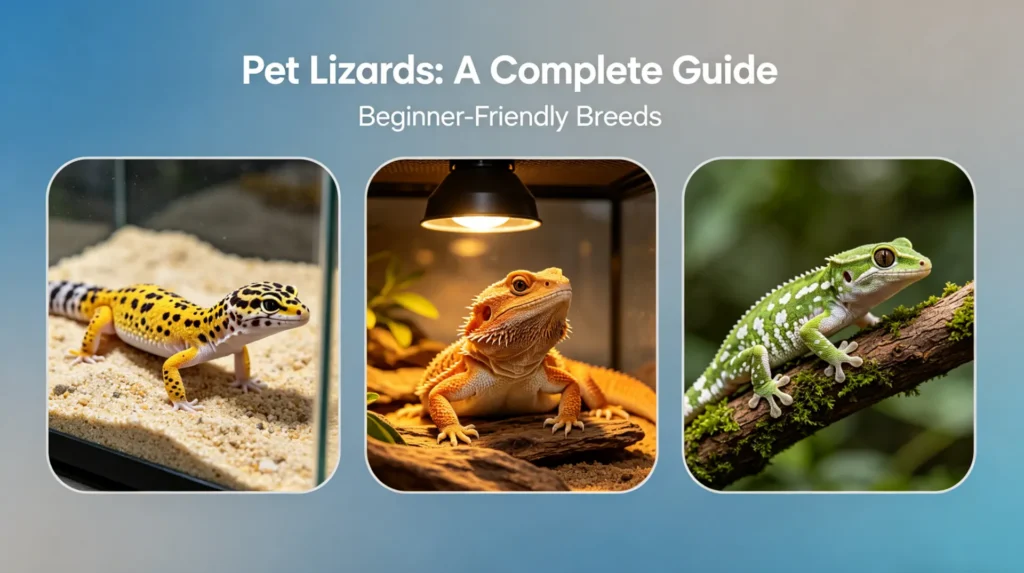
Many American pet lovers are shifting away from traditional cats and dogs and turning toward quiet, unique exotic companions. Among all reptiles, pet lizards consistently rank as the most popular choice for new hobbyists. They are odorless, space-saving, and visually stunning. However, most beginners jump into lizard ownership without understanding their history, natural behavior, or basic care requirements. This well-structured guide covers everything you need to know about pet lizards, including their pet history, temperament, categorized breeds, care difficulty, real pros and cons, and common owner pain points from U.S. reptile forums.
A Complete History of Lizards as Pets
Lizards are one of Earth’s oldest reptile groups, with fossil evidence tracing back more than 200 million years. Wild lizards inhabit nearly every continent, adapting to deserts, tropical forests, and dry shrublands. Despite their long natural existence, lizards have only become mainstream household pets within the past 40 years.
During the 1980s and 1990s, wild-caught iguanas and basic geckos dominated the U.S. exotic pet market. These imported wild lizards were easily stressed, aggressive, and difficult to raise for beginners. Back then, reptile keeping was merely a niche hobby for experienced collectors.
The industry revolution arrived in the early 2000s with widespread captive breeding. American breeders successfully stabilized docile genetic morphs of leopard geckos and bearded dragons. Captive-bred lizards became calmer, healthier, and far more affordable. Today, over 6 million U.S. households own reptiles, and pet lizards occupy the top market share for beginner exotic pets.
General Temperament & Natural Habits of Pet Lizards
Before picking a lizard, it is essential to understand their universal temperament and wild instincts. Unlike mammals, lizards are cold-blooded ectotherms, which means they fully rely on external heat to regulate body temperature.
Lizard Temperament
Most domestic pet lizards are naturally docile, timid, and non-aggressive. They do not form clingy emotional bonds like dogs, but many breeds can recognize their owners and tolerate gentle handling. Almost all pet lizards prefer minimal noise and stable environments. Sudden squeezing or loud movement will trigger stress responses such as hiding or biting.
Daily Living Habits
- Diurnal lizards: Active during daylight hours, including bearded dragons and skinks. They spend most of their daytime basking under heat lamps.
- Nocturnal lizards: Active at dusk and night, such as leopard geckos. They hide in caves during the day and hunt insects after dark.
Nearly all lizards are solitary. Co-habitation frequently causes fighting, tail biting, and severe stress. For safety reasons, keep every pet lizard in an independent enclosure.
Pet Lizard Categories: Easy Way to Classify Breeds
New owners often feel confused by thousands of lizard species. In the U.S. pet trade, keepers simply divide domestic lizards into three clear categories based on raising difficulty and living habits.
1. Beginner-Friendly Terrestrial Lizards
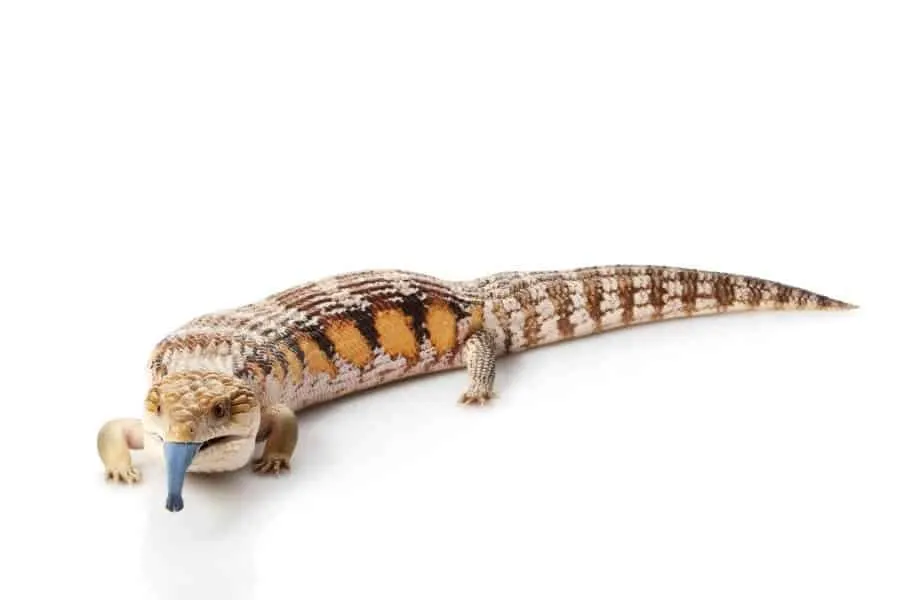
These ground-dwelling lizards have stable appetites, strong disease resistance, and gentle temperaments. They require simple tank settings and tolerate beginner mistakes well. Common breeds include leopard geckos and blue tongue skinks.

2. Beginner-Friendly Arboreal Lizards
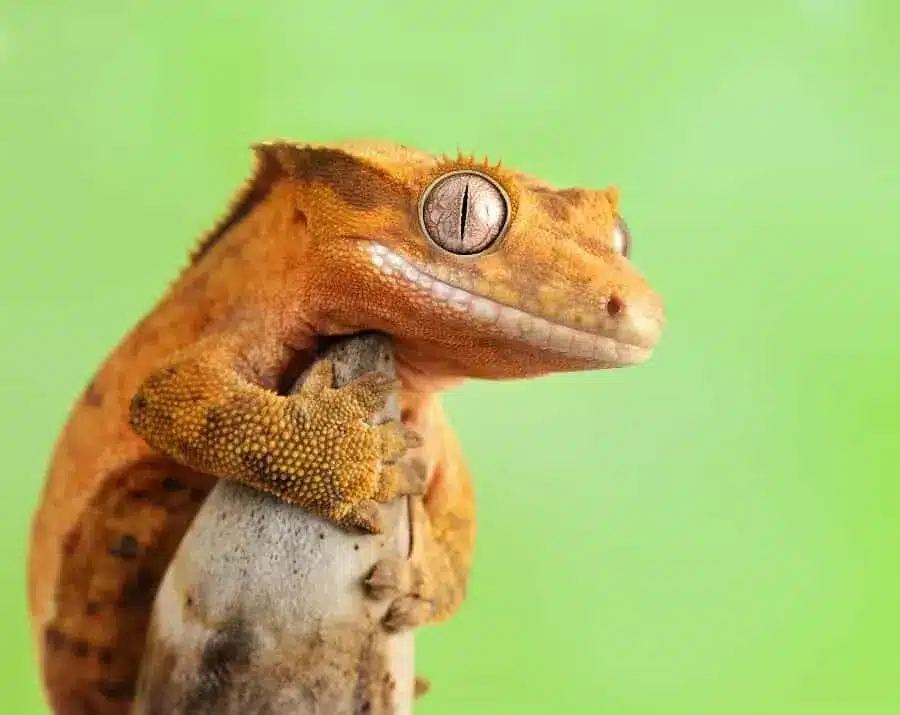
Arboreal lizards love climbing branches and tall plants. They need vertical tanks and stable humidity. Crested geckos are the most typical representative.

3. Advanced-Level Specialized Lizards
Chameleons, wild iguanas, and large monitors belong to this group. They demand strict temperature gradients, precise humidity control, and professional feeding schedules. Novice keepers should avoid these breeds. (Even popular visual stunners like the jeweled lacerta carry hidden risks for first-time keepers due to complex US home climate and housing demands.)
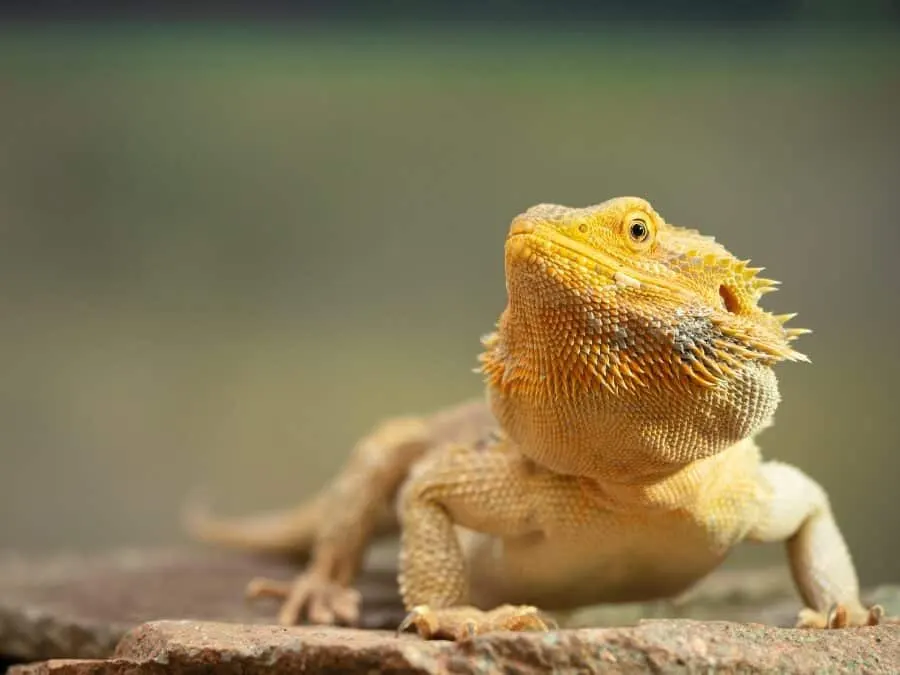
Most Popular Pet Lizard Breeds Among American Keepers
Whether you are browsing Reddit’s thriving reptile communities or stepping into a local exotic pet shop, these five stand-out breeds consistently steal the spotlight for American keepers.
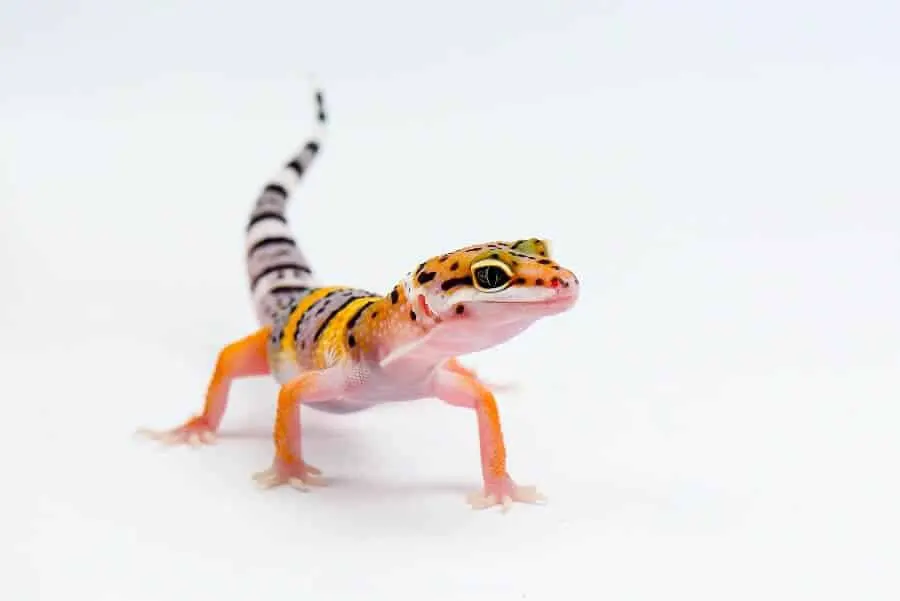
1. Leopard Gecko
Known as the best starter lizard, leopard geckos have movable eyelids, colorful morphs, and calm personalities. They only need simple dry tanks and do not require UVB lighting. Their lifespan reaches 15 to 20 years.
2. Bearded Dragon
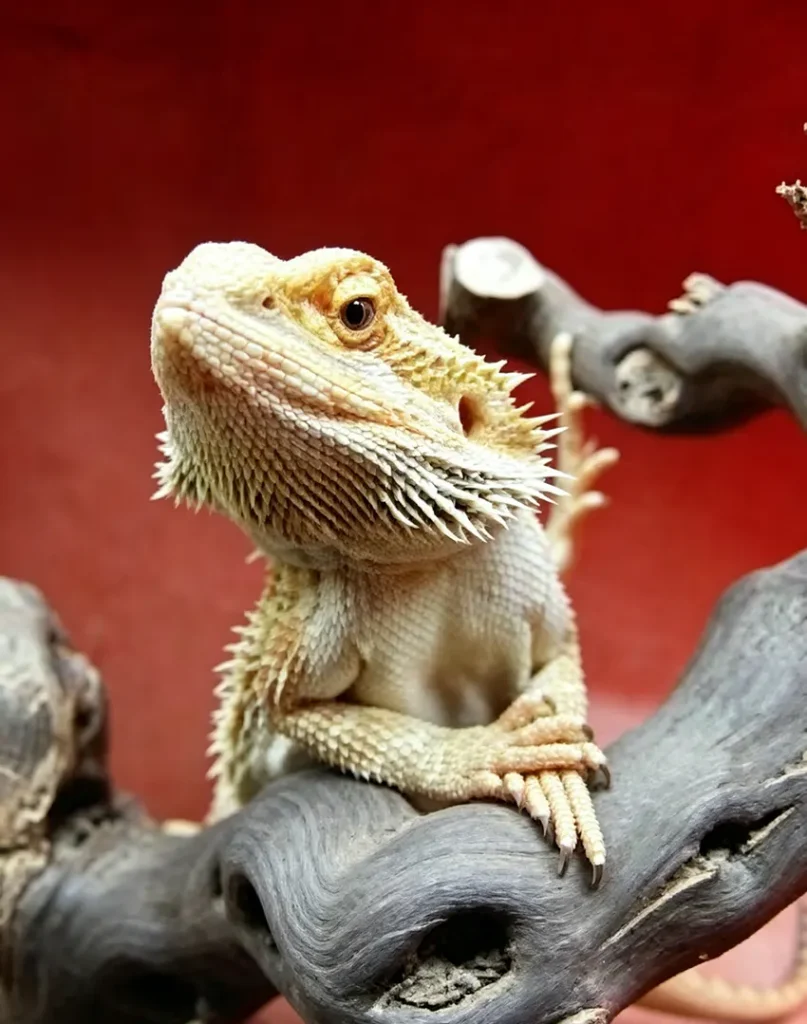
Bearded dragons are famous for their dog-like friendliness. They actively interact with owners, climb on hands, and even wave their arms as a friendly gesture. This omnivorous lizard eats both insects and vegetables.
3. Crested Gecko
Crested geckos are perfect for apartment breeders. They have sticky toe pads for climbing, require no heat lamps, and accept commercial gecko powder food.
4. Blue Tongue Skink
With bright blue tongues and slow movements, skinks are extremely tame. They enjoy human touching and have simple feeding needs.
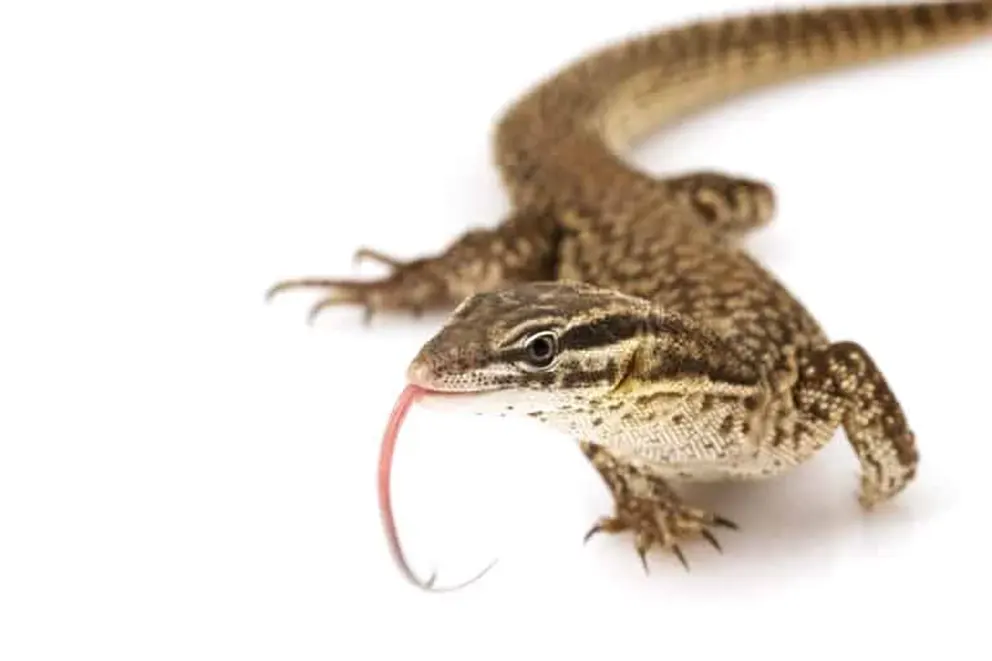
5. Ackie Monitor
As a small monitor lizard, ackies are curious and energetic. They suit intermediate keepers who want more active reptile pets.
Standard Lizard Care Guide & Raising Difficulty
Every beginner must master basic enclosure setup, feeding rules, and environmental parameters. Overall, most mainstream pet lizards have easy to moderate care difficulty.
Enclosure & Substrate
Never use loose sand for juvenile lizards, as accidental ingestion causes fatal impaction. Reptile carpet, paper towels, and non-sticky liners are the safest substrates. Every tank needs at least one hiding cave to reduce stress.
Temperature & Lighting
All lizards need a temperature gradient: a warm basking side and a cool resting side. Diurnal breeds require UVB bulbs to absorb calcium. Remember to replace UVB bulbs every 12 months even if they still glow.
Feeding Rules
Insect-eating lizards need gut-loaded bugs with calcium powder supplementation. Omnivorous breeds require balanced greens and insects. Juveniles eat daily, while adults only need feeding two or three times weekly.

Real Pros & Cons of Owning Pet Lizards
Combined with massive U.S. reptile forum feedback, here are the most authentic advantages and disadvantages of keeping pet lizards.
✅ Advantages (Loved by Keepers)
- Low daily maintenance: No walks, no bathing, and no loud noise.
- Zero odor: Clean tanks never produce unpleasant smells.
- Hypoallergenic: No fur or dander for allergy sufferers.
- Long lifespan: Most breeds accompany owners for over 15 years.
❌ Disadvantages & Common Owner Pain Points
- High initial cost: Tanks, lamps, and thermometers cost $200–$500 for preparation.
- Live insect feeding: Many beginners dislike keeping crickets and roaches.
- Limited interaction: Lizards never actively cuddle with humans.
- Few reptile vets: Exotic pet medical treatment is expensive in the United States.
Common Health Defects & Sicknesses
Improper feeding and poor tank environments cause almost all lizard diseases. The three most frequent health issues are listed below.
1. Metabolic Bone Disease (MBD)
Caused by calcium deficiency and insufficient UVB. Symptoms include twisted limbs, shaking bodies, and loss of appetite.
2. Intestinal Impaction
Caused by eating sand or oversized food. This dangerous blockage often leads to death without medical treatment.
3. Respiratory Infection
Low temperature and humid dirty tanks trigger breathing difficulties and mucus bubbles around the mouth.
Final Verdict: Should You Get a Pet Lizard?
Pet lizards are perfect for quiet people, apartment dwellers, allergy sufferers, and reptile enthusiasts. If you want an affectionate, cuddly pet with active interaction, lizards are not suitable for you.
For every beginner, stick to captive-bred easy-level breeds such as leopard geckos or bearded dragons. Avoid wild-caught lizards and advanced species. (If you’re still weighing reptile options and prefer an easy-going pet that requires zero live bugs, explore our rosy boa beginner guide to compare keeping snakes versus lizards.)
Not sure which companion fits your specific apartment size or budget? Use our beginner‑friendly reptile selector tool to find your perfect match in seconds.
This content is for educational purposes only and does not substitute professional veterinary diagnosis or treatment. If you observe any symptoms of illness, injury, or abnormal behavior, please consult a qualified exotic animal veterinarian immediately.
For more details, please review our full Medical Disclaimer.
Pingback: 6 Beginner Tips How To Avoid Overpriced Leopard Gecko Feed in California (2026 Updated Warning)