
I Know Exactly How You Feel Right Now
Your dog spots a car from across the street and suddenly nothing else exists — not you, not the treat in your hand, not the fact that you’re standing at the edge of a busy road. He’s gone somewhere you can’t follow, and by the time you realize what’s happening, he’s already halfway there.
I lived this for eight months with my first Border Collie, Riley. She was a 45-pound missile with zero brakes. I tried everything: louder commands, longer leashes, more exercise. Nothing worked. I was embarrassed at every walk, exhausted at every attempt, and honestly starting to wonder if I’d picked the wrong dog.
If you’ve been searching for how to stop a dog from chasing cars, you’ve probably also stumbled onto a product that’s been trending heavily on social media lately — the anti-chase pole. You may have seen these on TikTok or Instagram. It’s basically a rigid pole that attaches to your dog’s harness and extends out in front of the dog’s chest, supposedly creating a physical barrier that prevents the dog from reaching the target while lunging.
It looks clever. It looks simple. It looks cheap. And for about five minutes, you think: Why didn’t I try this sooner?
I get it. I almost bought one too. But after spending the last several years working in dog behavior, watching dogs with serious prey drive issues, and eventually helping hundreds of families through impulse control training for dogs, I need to tell you something:
The anti-chase pole doesn’t fix the problem. And in some cases, it makes things worse.
Here’s why — and what actually works.
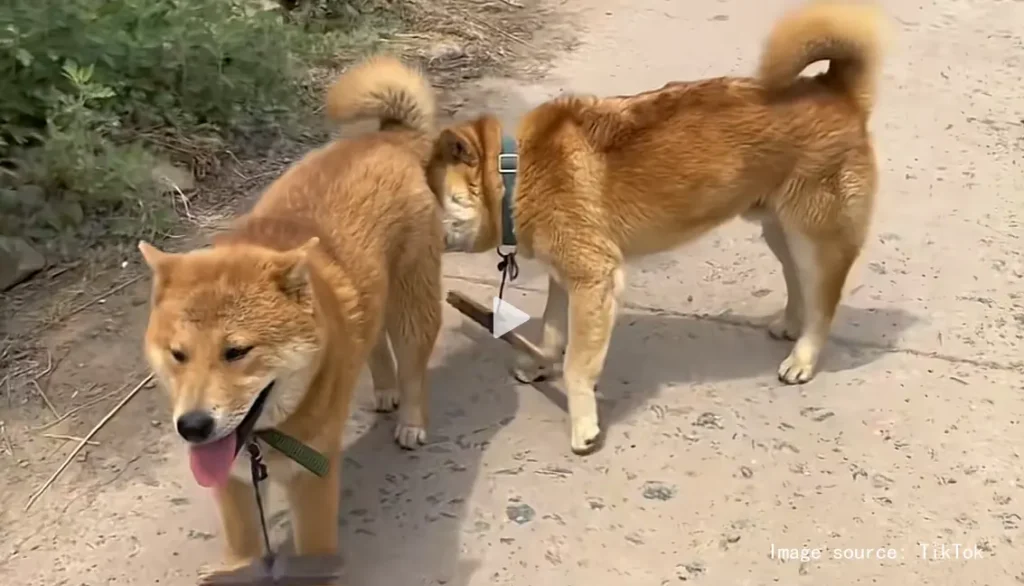
Part 1: What Is an Anti-Chase Pole and Why Does It Keep Showing Up in My Feed?
Anti-chase poles are rigid or semi-rigid devices designed to extend from a dog’s harness forward, creating a physical buffer zone between the dog and the thing they want to chase. Some versions use a spring-loaded mechanism. Others are fixed-length poles made from aluminum or fiberglass. They’ve gained massive traction on platforms like TikTok and YouTube Shorts, where 30-second clips make them look like instant fixes.
Why They Appeal to Desperate Dog Owners
I’m not going to pretend I don’t understand the appeal. When you’re at the end of your rope — your neighbor has complained, your dog has nearly pulled you into traffic, and you’ve tried every treat and command you can think of — a $30 pole that promises to stop the behavior on contact feels like a lifeline.
And here’s the thing: in the short term, it often does appear to work. The dog can’t reach the car. The car drives away. The dog calms down. The owner thinks: It’s working.
What’s actually happening is very different. And understanding the difference matters if you care about your dog’s long-term behavior.
Part 2: Why the Anti-Chase Pole Doesn’t Work — And What It Can Cost You
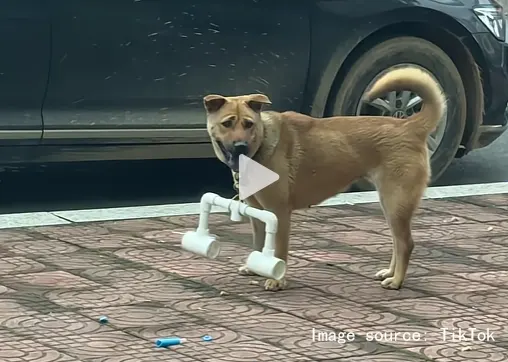
This is the section I wish someone had shown me when Riley was six months old and I was two seconds away from ordering one of these poles. There are several serious reasons the anti-chase pole falls short from a behavioral standpoint.
1. It Suppresses the Behavior Without Addressing the Root Cause
Prey drive — the instinctual sequence of searching, stalking, chasing, and grabbing — is hardwired into your dog’s brain. It’s not a “bad habit” that can be erased with a physical barrier. It’s a natural predatory motor pattern that’s been selectively bred into certain breeds for thousands of years.
When you use a pole to prevent lunging, you’re not teaching your dog anything new. You’re just blocking the outward expression of prey drive. The internal arousal is still there. The neural pathway is still firing. The dog is still practicing the emotional state of “I need to chase that thing,” they’re just being physically prevented from completing the sequence.
Think of it this way: if you put a muzzle on a dog that barks at the mail carrier, the barking stops — but the dog is still furious inside. The pole does the same thing with chasing. The outward behavior gets blocked, but the arousal doesn’t go anywhere.
2. The Risk of Redirected Aggression
This is the part that genuinely worries me as a behavior consultant. When a dog is at full arousal — chasing, lunging, locked in on a moving target — and is suddenly physically blocked from completing the behavior, that pent-up energy has to go somewhere.
This is called redirected aggression, and it’s one of the most common causes of bites that owners describe as “coming out of nowhere.” Your dog is wound up, the pole jerks him back, and he snaps — at you, at another dog, at a child who happens to be nearby.
I’ve personally witnessed this happen. A friend’s Australian Shepherd, a sweet dog named Cooper, was lunging at a delivery truck while on an anti-chase-style setup. The pole caught him hard and bounced him back. He immediately redirected onto my arm. I had scratches for a week. Cooper was not a mean dog — he was a dog whose arousal had nowhere to go.
3. It Damages the Trust Between You and Your Dog
Your dog looks to you for guidance, for safety, for information about how to navigate the world. When the solution to their biggest behavioral challenge involves a piece of equipment that jerk them backward, that makes them feel trapped, that adds physical discomfort to an already stressful situation — that erodes something important.
Positive reinforcement builds trust. It tells your dog: When you make the right choice, good things happen. Physical barriers and aversive restriction tell a different story.
4. It Violates LIMA Principles
The LIMA framework — Least Intrusive, Minimally Aversive — is the ethical standard endorsed by major professional organizations including the IAABC (International Association of Animal Behavior Consultants) and the Certification Council for Professional Dog Trainers (CPDT-KA). LIMA states that before any aversive or restrictive method is used, all positive, reinforcement-based alternatives must be exhausted first.
An anti-chase pole is an intrusive, restrictive device. It should never be a first-line approach for beagle training for high prey drive. The science is clear: dogs learn better, retain skills longer, and show fewer behavioral side effects when trained using reward-based methods. The IAABC Standards of Practice go even further, explicitly opposing the intentional use of aversive methods that involve pain, fear, or intimidation.
Part 3: How to Actually Stop Your Dog From Chasing Cars — The Science-Backed Way
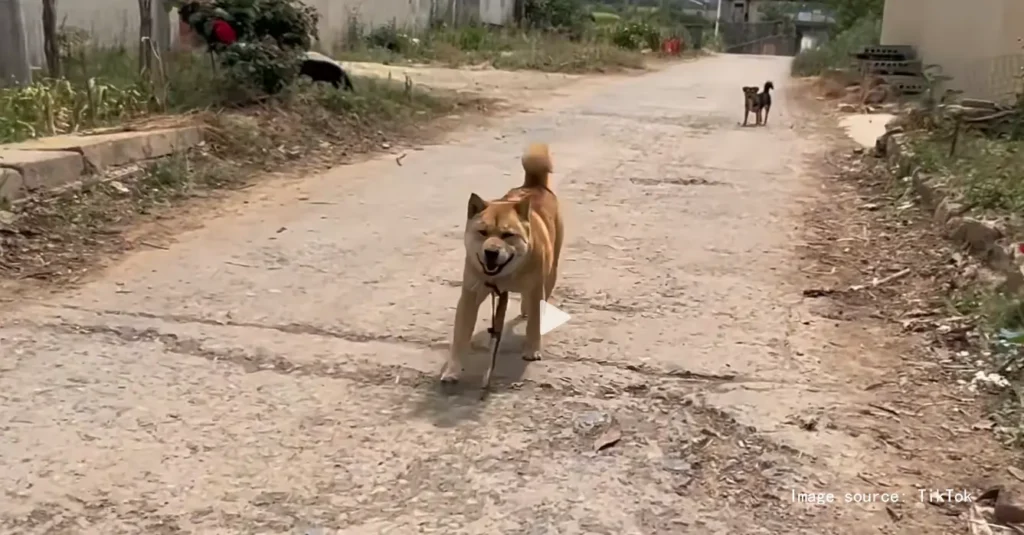
Alright, let’s get into what works. This isn’t a quick fix. It takes consistent practice over weeks. But unlike the pole, this approach actually rewires how your dog responds to cars at the neurological level.
I’m going to walk you through the core method I use with clients, which centers on the Engage-Disengage Game. This is one of the most effective impulse control training for dogs techniques I know, and it works because it leverages your dog’s natural ability to make choices — rather than overriding it.
The Foundation: Understanding Threshold Distance
Before any training begins, you need to find your dog’s threshold distance — the distance from a car (or other trigger) at which your dog notices but can still think, still take treats, still respond to you.
For most dogs I’ve worked with, this starts around 50 to 100 feet from a road. Some reactive dogs need 150 feet or more. This number is real and specific to your dog. Finding it is the single most important step in the whole process.
I struggled with this at first too. I wanted to start training closer to the road because I thought we needed to “practice” near real cars. That was wrong. Starting too close means your dog is over threshold — meaning they literally cannot learn because their brain has shifted into full chase mode.
Step 1: The Engage-Disengage Game
This is the core exercise. Here’s how it works:
Setup: Find a spot where your dog can see cars at threshold distance. Use a front-clip harness and proper gear and a standard 6-foot leash (or a long line — more on that in Part 4). Bring high-value treats. Not kibble. Real treats — chicken, cheese, freeze-dried liver.
The sequence:
- Your dog sees a car. They look at it. (This is the “engage” moment.)
- Before your dog starts lunging or escalating, you mark that moment with a clicker or a verbal marker like “yes!”
- Your dog turns to look at you (or you can encourage this by making a kissy sound or stepping sideways). The moment they look at you — that’s the “disengage.”
- Mark and reward. Generously. Like, jackpots of chicken.
Why this works: You’re not punishing your dog for looking at the car. You’re teaching them that looking at the car is a cue to look back at you for something even better. Over time, you’re rewiring the emotional association: car appears → good things happen → I check in with my human.
Step 2: Gradually Decrease Distance
After about two to three weeks of consistent practice at threshold distance — with your dog reliably disengaging from cars and checking in with you — you can start moving closer. Move in increments of 10 to 15 feet. If your dog starts reacting, you’ve moved too fast. Go back.
This part requires patience. It took me three weeks of consistent practice before Riley could reliably look at a car at 40 feet and turn back to me without me saying a word. Three weeks of about 10-15 minutes a day, two to three sessions per day. That’s it. No poles, no corrections, no force.
Step 3: Add Movement
Once your dog is solid at close distance with stationary or slow-moving cars, start practicing with faster-moving vehicles. This is a big step. The faster the car moves, the higher the arousal. Build up to it gradually.
Start with bikes at a distance. Then slow cars. Then normal-speed traffic. Each step gets its own practice period before moving on.
Step 4: Proof the Behavior in Real-World Environments
Training in a quiet spot with occasional cars is different from training on your actual walking route. Once your dog is reliable in controlled settings, start walking your normal routes during low-traffic times. Gradually build up to busier times.
I’ll be honest: even after Riley was “trained,” I still kept sessions short and ended on a win. Some days she was better than others. That’s normal. Prey drive doesn’t disappear — it gets managed.
Part 4: Safety First — The Equipment You Actually Need
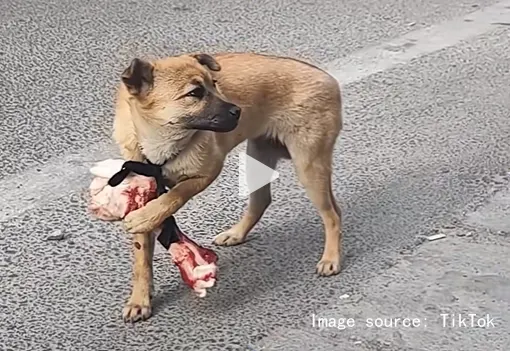
While you’re training, your dog needs to be physically safe. That means proper equipment that supports your training goals rather than working against them.
Front-Clip Harness
A front-clip harness redirects your dog’s forward momentum sideways when they pull, giving you more control without causing discomfort. This is the standard recommendation from professional behavior consultants for dogs with prey drive issues. Avoid head halters unless specifically recommended by a certified professional — they can be effective but require careful introduction. Small breeds with strong prey drive, including Pomeranians, are also prone to car-chasing — if you are considering a Pom, see our guide on the Pomeranian dog breed for temperament and behavior traits.
Long Line (15-30 Feet)
For practice sessions in open areas, a long line safety for sight hounds gives your dog the feeling of freedom while keeping them safe. This is essential for high-drive breeds like Border Collies, Terriers, and Sight Hounds who cannot be trusted off-leash around traffic — even with excellent recall.
I’ve seen too many stories of “my dog was fine off-leash until one day he wasn’t.” Prey drive can override even the best-trained recall in a split second. A long line is your insurance policy.
Equipment to Avoid During Training
- Retractable leashes — They give you less control and teach your dog that pulling extends the line.
- Slip leads or choke chains — These add discomfort to an already high-arousal situation, increasing the risk of redirected aggression.
- Anti-chase poles — As we’ve discussed, they suppress without solving and carry their own risks.
The Non-Negotiable Rule
High prey drive breeds must be on secure leash equipment when near traffic. No exceptions. This isn’t a punishment — it’s management while your training progresses. Even the most reliable impulse control training for working breeds for dogs needs a safety net in uncontrolled environments.
Part 5: When to Call a Professional
I’ve walked you through the basics, and for many dogs, this framework will get you significant progress. But I want to be real with you: not every situation is appropriate for DIY training, and there’s zero shame in getting help.
Signs You Need Professional Support
- Your dog has already redirected aggression onto a person or another animal
- Your dog cannot take treats within 200 feet of a trigger
- Your dog has a history of biting during high-arousal situations
- You feel anxious, overwhelmed, or unsafe during walks
- You’ve been training consistently for 4-6 weeks with no measurable progress
Who to Look For
CPDT-KA certified trainers have passed a rigorous examination and maintain their credentials through continuing education. They’re trained in learning theory, behavior assessment, and humane training methods.
IAABC-certified behavior consultants go further, with specialized training in behavior modification for serious issues like prey drive, fear-based reactivity, and aggression.
Both organizations explicitly endorse positive reinforcement and LIMA principles. When you’re interviewing a potential trainer or behaviorist, ask them directly: What is your approach to prey drive? Do you use positive reinforcement? What’s your stance on aversive tools?
Their answer will tell you everything you need to know.
A Note on Veterinary Consultation
If your dog’s chasing behavior appeared suddenly in an adult dog with no prior history, or if it’s accompanied by other behavioral changes, consult a veterinarian to rule out underlying health issues. Behavior and physical health are connected, and a professional behaviorist will often recommend a vet check as part of a comprehensive approach.
Personal Story: The Dog Who Changed How I Train
I want to tell you about a dog named Scout.
Scout was a 2-year-old Border Collie mix whose owner, my friend Jenna, was at her wit’s end. Scout had started chasing cars at 8 months old. By the time he was a year old, he’d pulled Jenna off her feet twice, nearly run into the road once, and gotten Jenna a warning letter from the neighborhood HOA.
Jenna had tried everything she could find online. Commands, corrections, a muzzle for walks, and yes — she’d seriously considered buying an anti-chase pole. She showed me the TikTok video she’d bookmarked.
We started with the basics. Threshold distance was about 80 feet. We used chicken. We played the Engage-Disengage Game. I’ll be honest: the first two weeks were rough. Scout was frustrated. Jenna was frustrated. I had moments where I wondered if I was in over my head.
But around week three, something clicked. Scout started offering eye contact the moment he saw a car — not because I asked, but because he’d learned that looking at a car was his cue to check in with Jenna for chicken.
By week six, we were at 30 feet from a busy road and Scout was relaxed. Not perfect. Not robotic. Just… choosing to stay connected.
Jenna cried. I’m not ashamed to say I got a little choked up too.
That’s what real dog prey drive management looks like. It’s not a pole. It’s not a quick fix. It’s weeks of patience, trust-building, and understanding how your dog’s brain works.
Frequently Asked Questions
What is the fastest way to stop a dog from chasing cars?
There is no instant fix, but the fastest sustainable approach is systematic desensitization combined with the Engage-Disengage Game, starting at your dog’s threshold distance and gradually decreasing it over weeks. Consistent practice of 10-15 minutes, two to three times per day, typically shows significant progress within 3-6 weeks. Anti-chase poles and other physical barriers may appear to work immediately but only suppress the behavior without addressing the underlying prey drive.
Are anti-chase poles dangerous for dogs?
Anti-chase poles carry real risks. They can trigger redirected aggression when a highly aroused dog is suddenly physically blocked from completing a chase sequence. They can also damage the trust between dog and handler, increase stress during walks, and suppress behavior without teaching an alternative. Professional organizations like the IAABC and CPDT-KA endorse LIMA principles, which recommend exhausting positive reinforcement methods before using restrictive devices.
Which dog breeds are most likely to chase cars?
Any dog can develop car-chasing behavior, but breeds with high prey drive are most commonly affected. This includes herding breeds (Border Collies, Australian Shepherds, Cattle Dogs), terriers (Jack Russell, Rat Terrier, Bull Terrier), sight hounds (Greyhounds, Whippets, Lurchers), and many mixed breeds with herding or terrier ancestry. Dog prey drive management is especially important for these breeds.
Can I train my dog to stop chasing cars without a professional trainer?
For mild to moderate cases, many owners successfully reduce car-chasing using the Engage-Disengage Game and systematic desensitization at home. However, you should seek professional dog behaviorist advice if your dog has redirected aggression, cannot take treats near triggers, has a bite history during high-arousal moments, or if you feel unsafe. CPDT-KA certified trainers and IAABC-certified behavior consultants specialize in these issues.
What equipment should I use when walking a dog that chases cars?
Use a front-clip harness paired with a standard 6-foot leash for everyday walks, or a 15-30 foot long line for dedicated training sessions in open areas. High prey drive breeds should never be off-leash near traffic, regardless of training progress. Avoid retractable leashes, slip leads, and physical restriction devices like anti-chase poles during the training process.
How long does impulse control training take?
Most dogs show meaningful improvement within 3-6 weeks of consistent practice (10-15 minutes per session, two to three sessions daily). Full reliability in real-world environments typically takes 3-6 months. Progress is not linear — some weeks will feel like a step backward. This is normal. Prey drive management is a long-term commitment, not a one-time fix.
Quick Reference: Dog Prey Drive Management Cheat Sheet
| Stage | What to Do | Timeline |
|---|---|---|
| Week 1-2 | Find threshold distance. Practice Engage-Disengage at that distance. Use high-value treats. | 10-15 min, 2-3x/day |
| Week 3-4 | Decrease distance by 10-15 ft increments. Add brief “disengage” holds. | Continue daily practice |
| Week 5-6 | Introduce faster-moving triggers. Practice on normal walking routes during quiet times. | Add real-world exposure |
| Month 2-3 | Proof behavior at busy times. Add voluntary check-ins. Practice in different locations. | Generalization phase |
| Month 3-6 | Maintain skills. Keep sessions fun. Never skip safety equipment near traffic. | Ongoing management |
Safety Equipment Checklist
- ✅ Front-clip harness
- ✅ Standard 6-foot leash (everyday walks)
- ✅ Long line, 15-30 feet (training sessions)
- ✅ High-value treats (chicken, cheese, freeze-dried liver)
- ✅ Clicker or verbal marker
- ❌ Retractable leashes
- ❌ Anti-chase poles
- ❌ Slip leads or choke chains
When to Get Professional Help
- Redirected aggression has occurred
- Dog can’t take treats within 200 feet of trigger
- Bite history during high-arousal situations
- No progress after 4-6 weeks of consistent practice
- You feel unsafe or overwhelmed
Find a pro: Search for CPDT-KA certified trainers or IAABC-certified consultants.
Final Thoughts
Every dog I’ve worked with — from terrified rescues to high-drive working breeds — has taught me that behavior is communication. When your dog chases cars, they’re not being stubborn or defiant. They’re following one of the most powerful instinctual programs in the canine brain.
The anti-chase pole might feel like a solution in the moment. I understand that pull. I’ve been there. But your dog deserves better than a physical barrier that leaves the internal struggle untouched. They deserve a training approach that respects how they’re wired while teaching them a new way to respond.
It takes time. It takes patience. And it takes some humility — because your dog will have bad days and so will you. But the relationship you build through positive reinforcement and impulse control training for dogs is something no pole could ever create.
Your dog can learn to see a car and choose to look at you instead. That’s not a gimmick. That’s science. And it works.
The images used are for educational critique and identification purposes only. If you are the owner of the original content, please contact us for credit or removal.
This content is for educational purposes only and does not substitute professional veterinary diagnosis or treatment. If you observe any symptoms of illness, injury, or abnormal behavior, please consult a qualified exotic animal veterinarian immediately.
For more details, please review our full Medical Disclaimer.
Pingback: 10 Surprising Facts About the Pomeranian Dog: History, Temperament & Care Guide
Pingback: Popular Dog Breeds in America: 2026 Top 5 Traits & Care Guide
Pingback: Beagle Training Mistakes for USA New Owners: 5 Localized Fixes for Off-Leash Running & Separation Anxiety (2026)
Pingback: GSP Training Fails US Suburbs Beginner: 9 Critical Mistakes To Avoid (2026 Local Rules)
Pingback: Chihuahua Dog Breed Guide: History, Temperament, Care & Health