
⚠️ Important Geographic Note: This guide is based on Northern Hemisphere seasonal cycles. Readers in the Southern Hemisphere should adjust timing according to local seasons. For example, where this guide references “winter (December-February),” Southern Hemisphere readers should interpret this as their winter months (June-August).
Introduction: Why Your Leopard Gecko’s Appetite Changes with the Calendar
Your Leopard gecko ate every week without fail through spring and summer. Then fall arrived, temperatures dropped, and suddenly your gecko isn’t interested in that cricket you just spent ten minutes catching with tweezers. Seasonal temperature swings directly drive appetite, and uncontrolled summer heat can push geckos into heat stress and refusal — if your enclosure runs hot, see our guide on cooling an overheated leopard gecko tank. Seasonal appetite drops are normal, but a thinning tail beyond typical seasonal fluctuation signals non-hunger causes. See our guide on leopard gecko tail thinning for what to look for.
You panic. Is it sick? Dehydrated? Did you do something wrong?
The answer is almost certainly: nothing. Your Leopard gecko is responding to environmental cues the same way its wild ancestors did for millions of years. As temperatures decline, metabolic rate declines. As metabolic rate declines, appetite declines. This isn’t illness—it’s physiology.
🚨 Critical Safety Note: Current herpetological husbandry standards specify that prolonged refusal to eat combined with concerning symptoms requires immediate veterinary consultation. Force-feeding is strongly opposed outside of veterinary guidance—this carries serious aspiration risk. Never attempt to force-feed without direct veterinary instruction.
Understanding how temperature affects Leopard gecko metabolism transforms you from a worried keeper into an informed one. Instead of forcing food into an animal whose digestive system has intentionally slowed, you learn to read the signals, adjust your approach, and support your gecko through seasonal transitions that are entirely natural.
This guide covers the science of poikilotherm metabolism, practical seasonal feeding adjustments, and monitoring techniques that help you distinguish normal seasonal variation from genuine health concerns.
Part 1: How Temperature Affects Reptile Metabolism
The Physiological Foundation
Reptiles are poikilotherms—animals whose body temperature varies with environmental conditions, unlike mammals that maintain constant internal temperature. This distinction fundamentally shapes Leopard gecko biology, including digestion, immune function, and activity levels.
The relationship between temperature and metabolic rate follows predictable patterns. Current physiological understanding, including principles similar to the Q10 temperature coefficient observed across ectothermic species, demonstrates that metabolic processes approximately double for every 10°C (18°F) temperature increase within the viable range. A Leopard gecko at 82°F (28°C) processes energy roughly twice as efficiently as one at 73°F (23°C).
This principle has direct feeding implications. Digestion requires enzymatic activity. Enzymes function within specific temperature ranges. At suboptimal temperatures, digestive enzymes work slowly or incompletely. A Leopard gecko consuming prey at inadequate temperatures may struggle to digest it fully, leading to regurgitation, fermentation of retained food, or impaction.
Seasonal Variation in Natural Habitats
Wild Leopard geckos (Eublepharis macularius) inhabit arid regions across Afghanistan, Pakistan, and northern India. These regions experience significant seasonal temperature variation. Summer daytime highs regularly exceed 100°F (38°C), while winter nighttime temperatures may drop into the 50s°F (10-15°C). (If you are evaluating how arid-climate reptiles handle regional weather compared to humidity-loving species, read our African Fat-Tailed Gecko vs Leopard Gecko Inland Southern California beginner breakdown.)
During extreme heat, some wild populations become crepuscular or nocturnal, avoiding peak daytime temperatures that might exceed safe body temperatures. During cooler months, they enter underground burrows where temperatures remain more stable, reducing activity and food consumption.
This natural pattern informs captive husbandry. Leopard geckos retain these evolved responses regardless of whether their enclosure experiences seasonal temperature changes. Indoor housing doesn’t eliminate seasonal cues—room temperatures fluctuate, ambient light cycles shift, and your gecko responds accordingly.
Why Understanding This Matters
New keepers often interpret reduced appetite as illness. They force-feed reluctant animals, creating stress and potential aspiration or impaction. They panic and schedule emergency vet visits for animals that are simply behaving normally.
⚠️ Veterinary Intervention Threshold: Current herpetological husbandry standards require immediate consultation with an ARAV-certified exotics vet if your Leopard gecko displays ANY of the following symptoms for more than the specified duration:
- Refusal to eat for more than 2 weeks combined with significant weight loss (exceeding 10% body weight)
- Lethargy beyond normal seasonal reduction—unable to move or respond normally
- Visible signs of respiratory distress (open-mouth breathing, mucus bubbles, wheezing)
- Distended abdomen with no defecation for more than 7 days
- Visible signs of metabolic bone disease (MBD): wobbly gait, limbs giving out, soft jaw
- Sunken eyes and wrinkled skin persisting after hydration attempts
Strongly opposed to force-feeding outside of veterinary guidance—this carries serious aspiration risk. If your Leopard gecko requires nutritional support, an exotics veterinarian can administer appropriate intervention.
Part 2: Temperature Gradient Significance for Digestion
The Functional Gradient
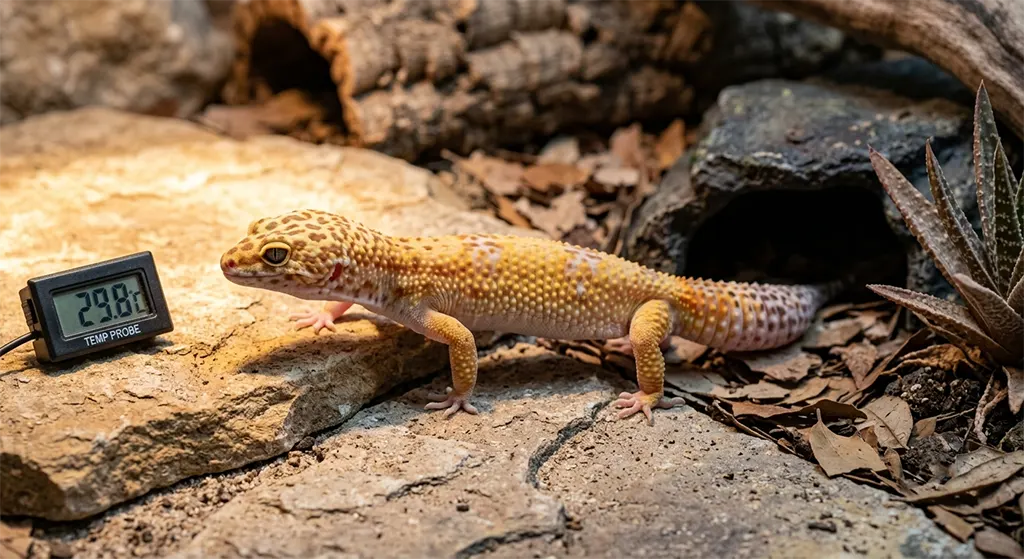
Leopard geckos require thermal gradients enabling behavioral thermoregulation. This isn’t luxury—it’s biological necessity. The enclosure must offer a warm side where the gecko can achieve digestion-compatible temperatures and a cool side where it can escape excessive heat.
Current Leopard gecko husbandry standards specify warm side surface temperatures of approximately 88-92°F (31-33°C) for digestion support. The cool side should maintain approximately 75-80°F (24-27°C), providing contrast that allows the animal to select its preferred body temperature throughout the day.
Within this gradient, the Leopard gecko makes choices. After consuming prey, it typically relocates to the warm side to support digestive processes. During activity periods, it may move between zones as needed. This behavioral flexibility requires gradient availability—without it, the animal cannot self-regulate effectively.
Digestive Temperature Requirements
Digestion in Leopard geckos requires specific thermal conditions. The process involves:
Initial processing in the stomach requires temperatures around 85-90°F (29-32°C) for optimal enzyme function. Below approximately 80°F (27°C), stomach acid production decreases and enzymatic activity slows significantly.
Nutrient absorption in the intestines requires adequate thermal support for transport mechanisms. Extended retention at suboptimal temperatures reduces nutrient uptake efficiency.
Waste elimination produces urate (the white component of Leopard gecko feces), which requires kidney function that also depends on adequate body temperature.
When enclosure temperatures fall below optimal ranges, digestion becomes inefficient. The Leopard gecko may refuse food not because it isn’t hungry, but because it recognizes—through evolutionary instinct—that eating without adequate digestion potential would be wasteful or harmful.
Verifying Your Gradient
Thermostat settings don’t equal achieved temperatures. Place digital probe thermometers at substrate level, warm side and cool side. Read actual temperatures at the locations your Leopard gecko occupies.
Seasonal changes affect achieved temperatures. A thermostat set to 90°F (32°C) produces different surface temperatures in summer (when ambient room temperature is high) versus winter (when ambient temperature drops). Monitor actual temperatures rather than assuming settings remain accurate across seasons.
Part 3: Seasonal Feeding Recommendations
Spring Transition (March-May / September-November in Southern Hemisphere)
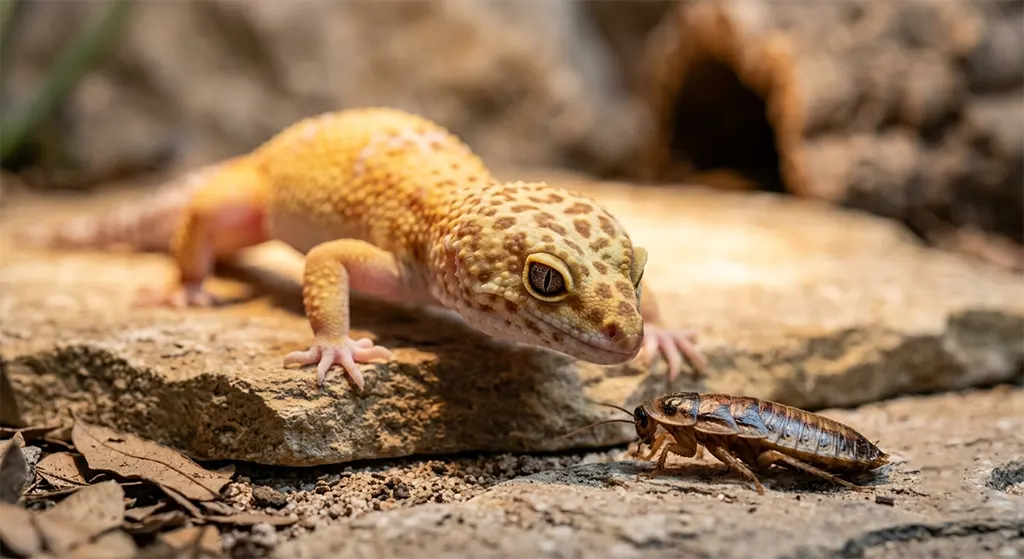
Spring brings warming trends. Ambient room temperatures increase. Your Leopard gecko’s metabolism begins accelerating from winter lows. Activity levels rise. Appetite increases.
This transition period requires observation rather than immediate schedule changes. Watch for:
- Increased movement and exploration
- Response to prey presentation
- Interest in feeding after winter reduction
- Weight stability or slight gain
Begin adjusting feeding frequency as appetite increases. If your Leopard gecko refused food during winter, resume offering prey every few days. Don’t immediately return to maximum feeding—allow appetite to guide frequency.
Spring breeding season affects mature animals. Males may become territorial and distracted, reducing feeding during active reproductive periods. Females developing eggs require increased nutrition. Adjust expectations based on individual animal status.
Summer Peak (June-August / December-February in Southern Hemisphere)
Summer represents peak activity and metabolic rate for Leopard geckos in most indoor environments. Warm temperatures, extended daylight hours, and optimal conditions support maximum feeding efficiency.
During summer, Leopard geckos can typically process meals every 2-4 days, depending on age and individual metabolism. Juveniles and subadults in growth phases benefit from more frequent feeding. Adults can maintain body condition on less frequent meals.
Heat management becomes relevant during summer. If room temperatures exceed safe ranges, ensure the cool side remains appropriately cool. Overheating risks become relevant in poorly ventilated enclosures or rooms without climate control.
Summer molting (shedding) may increase feeding interruptions. Pre-shedding appetite reduction lasting 1-5 days is normal. Ensure humidity support during shedding periods.
Fall Transition (September-November / March-May in Southern Hemisphere)
Fall brings cooling trends. Ambient temperatures decline. Daylight hours decrease. Your Leopard gecko’s metabolism begins preparing for reduced winter activity.
Recognize this transition early. Don’t interpret early fall appetite reduction as illness. The animal is responding appropriately to environmental cues.
Begin reducing feeding frequency gradually. If summer feeding occurred every 2-3 days, transition toward every 3-5 days as fall progresses. Monitor body condition and adjust based on observed changes.
Some Leopard geckos enter pre-brumation fasting during late fall. This voluntary appetite suppression represents normal physiological preparation. Don’t force-feed animals refusing food during appropriate seasonal transition.
Strongly opposed to force-feeding outside of veterinary guidance—this carries serious aspiration risk. Weight monitoring becomes particularly valuable during fall. Document weight trends to distinguish normal seasonal variation from concerning loss.
Winter/Brumation Period (December-February / June-August in Southern Hemisphere)
Winter brings the most significant seasonal challenge for Leopard gecko keepers. Understanding brumation—the reptile equivalent of hibernation—prevents keeper panic and unnecessary intervention.
Brumation characteristics include:
- Reduced activity and movement
- Extended time in hides or cooler enclosure areas
- Decreased or absent feeding
- Maintenance of water access
- Occasional brief activity periods
Not all Leopard geckos brumate, particularly in climate-controlled indoor environments. Some animals maintain year-round activity and appetite. Absence of brumation behavior is not concerning if the animal remains healthy and active.
During brumation:
- Reduce feeding frequency to match reduced appetite or eliminate feeding entirely during deep brumation
- Maintain water access at all times
- Verify temperatures remain within safe ranges (do not allow cool-side temperatures to drop below approximately 65°F / 18°C)
- Reduce handling to minimum necessary
- Continue periodic weight monitoring
Brumation lasting 2-4 months is normal. Extended brumation beyond this range in otherwise healthy animals warrants veterinary consultation.
Year-Round Consistency Principles
Regardless of season, certain principles remain constant:
- Always maintain appropriate temperature gradient (88-92°F / 31-33°C warm side, 75-80°F / 24-27°C cool side)
- Always provide fresh water
- Always monitor body condition
- Always verify temperatures rather than assuming settings
- Always consult a reptile veterinarian for genuine health concerns
Seasonal adjustments affect feeding frequency and volume. They do not excuse abandoning husbandry fundamentals.
Part 4: Monitoring Excrement and Weight Changes
Excrement as Health Indicator
Leopard gecko feces provide valuable health information. Regular monitoring detects problems before they become serious.
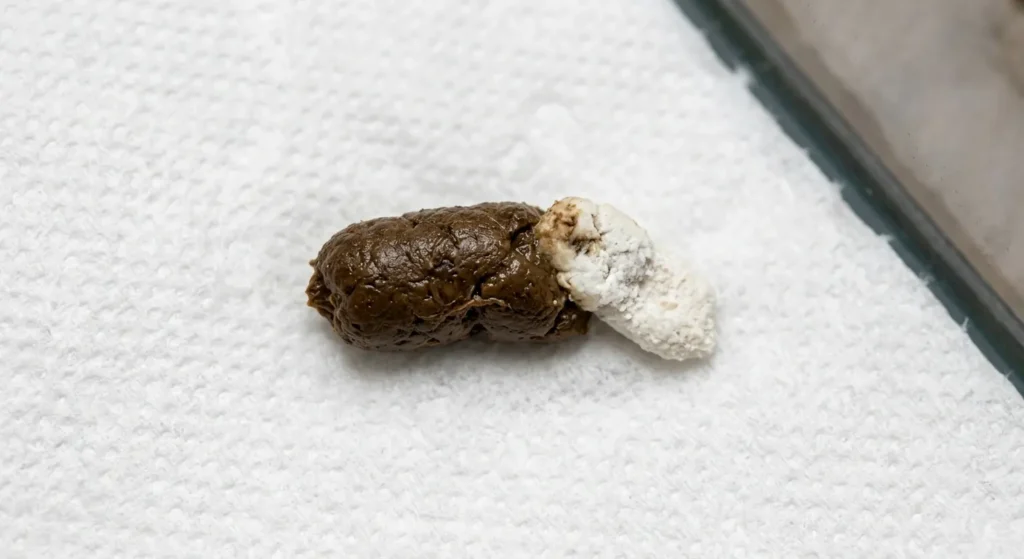
Normal feces consist of formed dark-brown to black fecal matter with a white urate component. The urate indicates proper kidney function and hydration status.
Frequency varies by individual and season. Some Leopard geckos defecate after every feeding; others every 2-3 feedings. Reduced frequency during seasonal transitions is normal. Complete absence over extended periods warrants investigation.
Abnormal findings:
- Runny or unformed feces suggest dietary issues, parasites, or stress
- Yellow or greenish urate may indicate dehydration or liver concerns
- Blood in feces requires immediate veterinary attention
- Absence of urate alongside decreased feeding may indicate inadequate water access or kidney dysfunction
Keep a simple log: date, feeding (yes/no), defecation (yes/no), general notes. This record helps identify patterns and provides valuable information for veterinary consultations.
Weight Monitoring Protocol
Regular weight monitoring detects subtle trends invisible through casual observation. Leopard geckos can gain or lose significant percentage body weight before obvious physical changes appear.
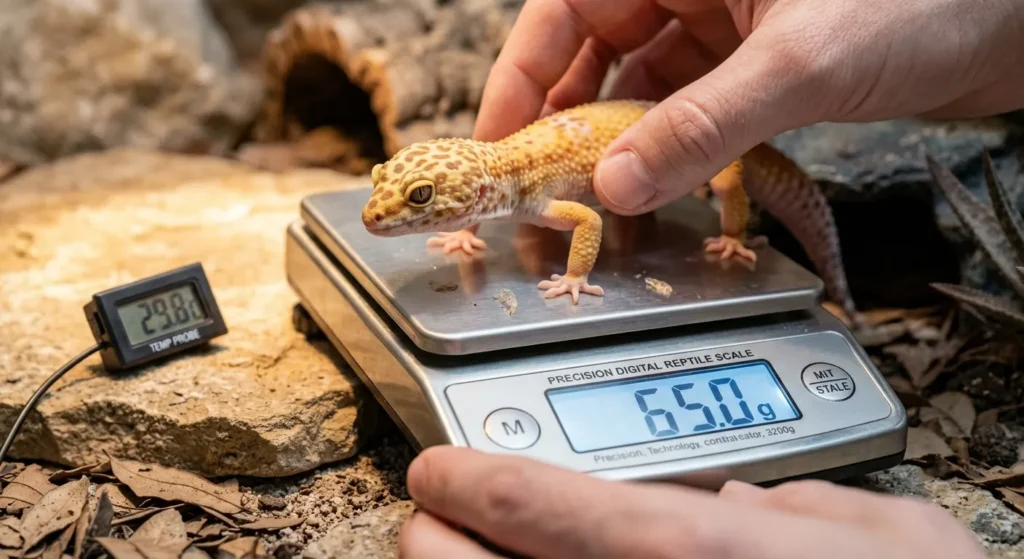
Weigh your Leopard gecko every 2-4 weeks during active seasons. During brumation or reduced feeding periods, monthly weighing suffices.
Equipment: Digital kitchen scales providing gram precision. Place the Leopard gecko in a small container on the scale, or weigh the container before and after.
Recording: Maintain a simple spreadsheet or notebook. Record date, weight in grams, and any relevant notes (recent shed, appetite changes, etc.).
Trend analysis: Compare weights over time rather than focusing on single measurements. A single low reading means little. A declining trend across multiple measurements indicates concern.
Concerning patterns:
- Weight loss exceeding 10% of body weight without explanation
- Continuous weight loss over multiple measurements
- Weight loss combined with reduced appetite or behavioral changes
Weight loss during appropriate seasonal brumation is expected. Weight loss during active seasons or beyond normal brumation duration requires investigation.
Distinguishing Normal from Concerning
Seasonal variation produces expected changes:
- Reduced appetite during fall/winter transition: normal
- Reduced defecation during brumation: normal
- Weight maintenance or slight loss during brumation: normal
- Increased appetite and activity during spring/summer: normal
Concerning patterns warrant veterinary consultation:
- Appetite refusal extending beyond normal seasonal patterns
- Significant weight loss exceeding seasonal expectation
- Persistent diarrhea or abnormal feces
- Lethargy beyond normal brumation behavior
- Any sudden behavioral changes
🚨 When in doubt, consult an ARAV-certified reptile-specialist veterinarian. Online information cannot replace professional examination.
Frequently Asked Questions
Do I need to force-feed my gecko in winter?
Strongly opposed to force-feeding outside of veterinary guidance—this carries serious aspiration risk. Winter appetite reduction during brumation is normal physiological response. Current herpetological husbandry standards specify maintaining water access and monitoring weight during brumation periods. If nutritional support is genuinely required, an exotics veterinarian must administer it through appropriate methods.
Is my gecko brumating?
Brumation presents as reduced activity, extended hiding, decreased or absent feeding, and maintenance of water interest. These behaviors typically coincide with seasonal cooling. Established reptile husbandry guidelines require ruling out illness before attributing symptoms to brumation. If your Leopard gecko displays concerning symptoms alongside reduced appetite, veterinary consultation is necessary to confirm brumation versus illness.
How long can Leopard geckos go without eating?
Healthy adult Leopard geckos can safely fast during appropriate seasonal transitions for 2-4 weeks without concerning weight loss. Juveniles should not fast as long due to growth demands. Any extended refusal combined with significant weight loss or concerning symptoms requires veterinary assessment.
Should I adjust feeding based on room temperature?
Current herpetological husbandry standards require adjusting feeding frequency based on achieved enclosure temperatures rather than calendar season alone. Cooler enclosures require reduced feeding frequency. Verify actual temperatures with probe thermometers at substrate level, warm side and cool side.
What temperature gradient do Leopard geckos need?
Established reptile husbandry guidelines require warm side surface temperatures of 88-92°F (31-33°C) and cool side ambient temperatures of 75-80°F (24-27°C). Without this gradient, Leopard geckos cannot thermoregulate effectively for digestion and overall health.
How do I know if weight loss is concerning?
Weight loss exceeding 10% of body weight without seasonal justification (such as brumation) warrants investigation. Current herpetological husbandry standards specify maintaining weight records and comparing trends across multiple measurements rather than reacting to single readings.
Quick Seasonal Checklist
Use this checklist to verify your seasonal husbandry each transition period:
- Verify temperature gradient: Confirm warm side reaches 88-92°F (31-33°C) and cool side maintains 75-80°F (24-27°C) using probe thermeters at substrate level.
- Adjust feeding frequency: Reduce frequency as temperatures decline; increase frequency during warming trends. Match appetite cues rather than forcing rigid schedules.
- Maintain water access: Fresh water availability remains essential regardless of season. Change water every 24-48 hours.
- Monitor weight trends: Weigh every 2-4 weeks during active seasons; monthly during brumation. Track trends rather than single measurements.
- Know when to consult a vet: If symptoms persist beyond normal seasonal variation thresholds (2+ weeks food refusal with weight loss; lethargy beyond normal reduction), contact an ARAV-certified reptile veterinarian immediately.
Conclusion: Working With Biology, Not Against It
Seasonal feeding adjustments aren’t optional complications—they’re biological necessities. Leopard geckos evolved in environments with dramatic seasonal variation. Their physiology expects and responds to these changes.
Your role as keeper isn’t to maintain artificial year-round sameness. It’s to provide conditions that support appropriate seasonal variation while maintaining husbandry fundamentals. Gradients remain available. Water remains fresh. Monitoring continues. Stress is minimized.
This approach produces healthier animals than forcing maximum feeding through seasons when reduced appetite is appropriate. It also produces calmer keepers who recognize normal variation rather than panicking at every appetite change.
Learn your individual animal’s patterns. Some Leopard geckos brumate heavily; others barely slow down. Some respond dramatically to seasonal cues; others remain consistent regardless. Individual variation is expected.
The goal isn’t rigid adherence to feeding charts. It’s informed observation supporting each animal’s specific needs through each season’s specific challenges.
For health concerns or medical guidance, consult an ARAV-certified reptile-specialist veterinarian.
This content is for educational purposes only and does not substitute professional veterinary diagnosis or treatment. If you observe any symptoms of illness, injury, or abnormal behavior, please consult a qualified exotic animal veterinarian immediately.
For more details, please review our full Medical Disclaimer.